




Related: Daimler AG Aiming to Get More Nimble at Selling Trucks and Cars
Daimler Launches Online Spot Freight Platform
Daimler Trucks North America is launching a new online platform to match its contracted freight carriers in the U.S. with the company’s spot loads through an app.
by Staff
January 29, 2018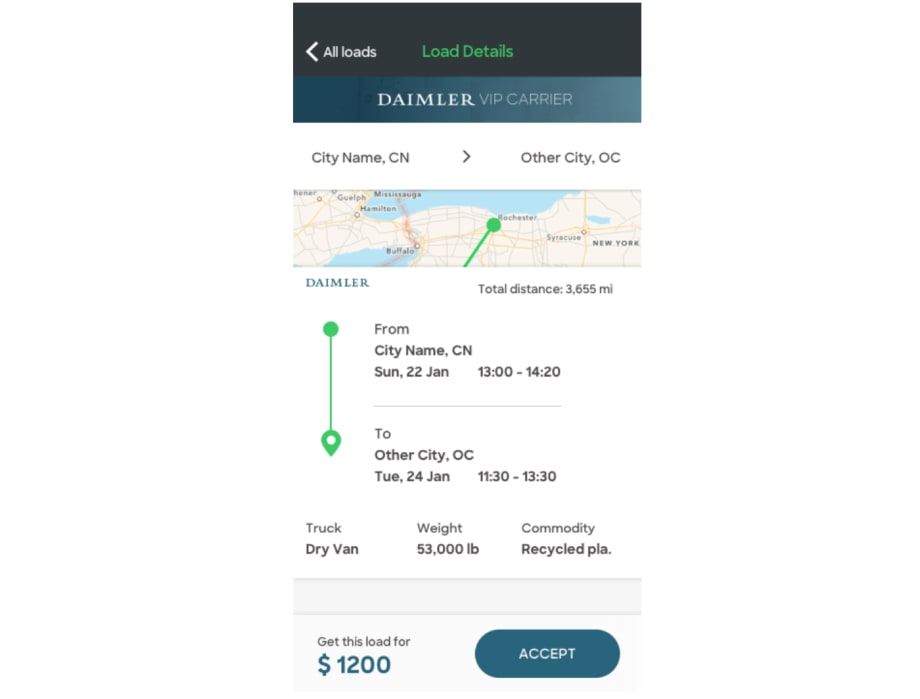
DTNA teamed up with Loadsmart to develop a customized version of the platform for the company's contract freight carriers. Image: Daimler Trucks North America
2 min to read

Daimler Trucks North America is launching a new online platform to match its contracted freight carriers in the U.S. with the company’s spot loads through an app.
DTNA teamed up with Loadsmart to develop a customized version of the platform, which was piloted with a small subset of DTNA’s carriers in late 2017. In the pilot program, the company saw dramatic improvements in the time to process a spot shipment – going from five hours to just 18 minutes on average. In addition, carriers received payments in two days instead of 30 days.
“To manufacture trucks, we need carriers to deliver components and parts to our plants,” said Lori Heino-Royer, director of business innovation at Daimler Trucks North America. “Offering a customized app to our contracted carriers gives them first access to our spot business and improves critical points in our supply chain.”
Loadsmart is a digital platform for spot loads - freight shipments that are outside of regularly scheduled shipments. Loadsmart offers an efficient digital platform that leverages data and machine-learning technology to match carriers with available loads.
“We saw Daimler Trucks North America’s participating fleet customers increase their average number of spot loads moved by more than 50% and improve their average time to accept, process, and deliver a spot shipment by over 90%,” said Ricardo Salgado, CEO of Loadsmart. “Working with the largest truck OEM is core to Loadsmart’s vision to build the future of logistics by interconnecting all players in a powerful platform.”
More Fleet Management
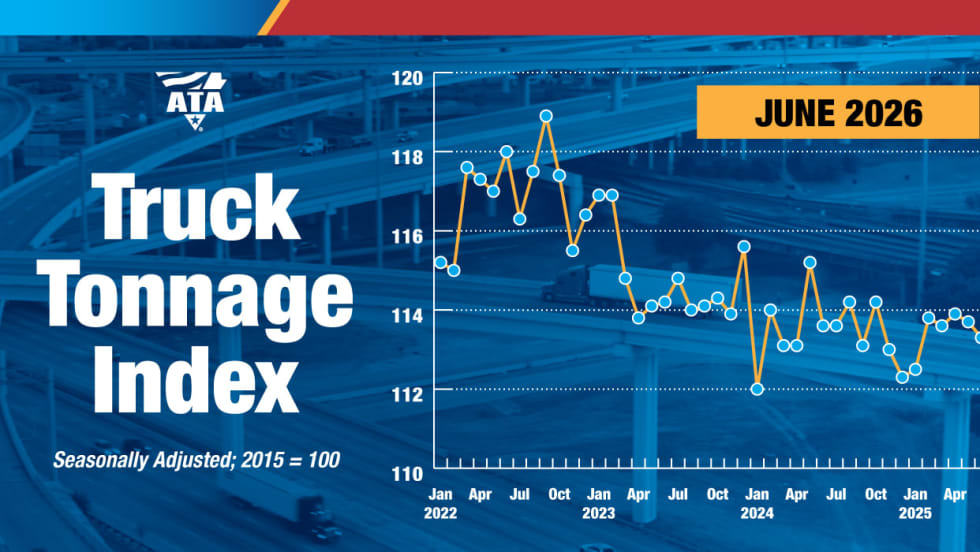
Freight Tonnage Down, Rates up, as Lower Capacity Powers Trucking Recovery
The recovery from the freight recession continues to be driven by reduction in capacity rather than by increased demand.
Read More →
Think Your Trucking Fleet Isn't Using Much AI? Think Again
Shadow AI — the use of unauthorized artificial intelligence tools at work — is becoming increasingly common, putting sensitive company data at risk. Learn how trucking fleets can protect sensitive data while embracing AI.
Read More →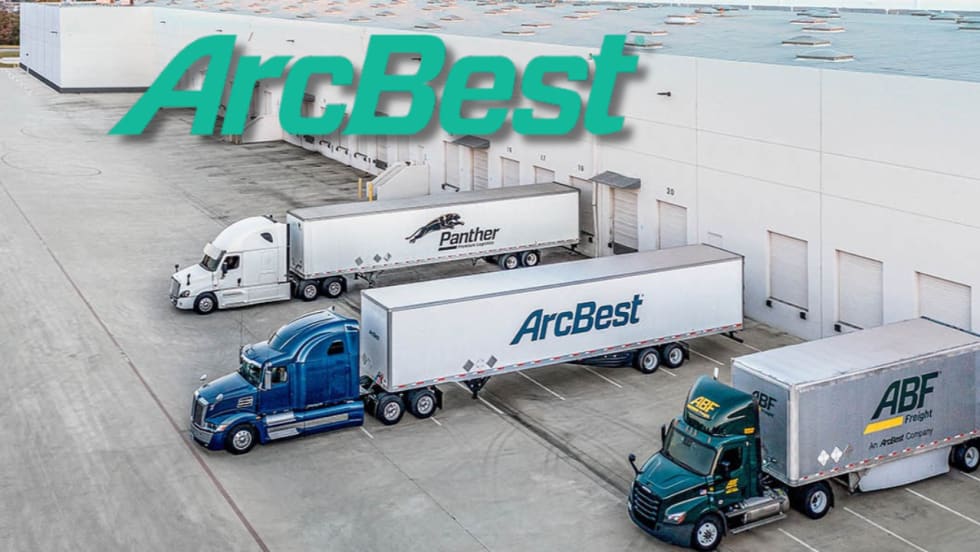
ArcBest Consolidates Brands, Cuts Workforce
The company will bring three business units under the ArcBest brand, eliminate about 2% of positions, and expects the changes to generate $40 million in annual savings.
Read More →

Trucking Fleets Faced Record Operating Costs During Third Year of Freight Recession
ATRI's annual operational cost report shows carriers trimmed fleets, delayed equipment purchases, and ran older trucks as expenses continued to outpace freight rates.
Read More →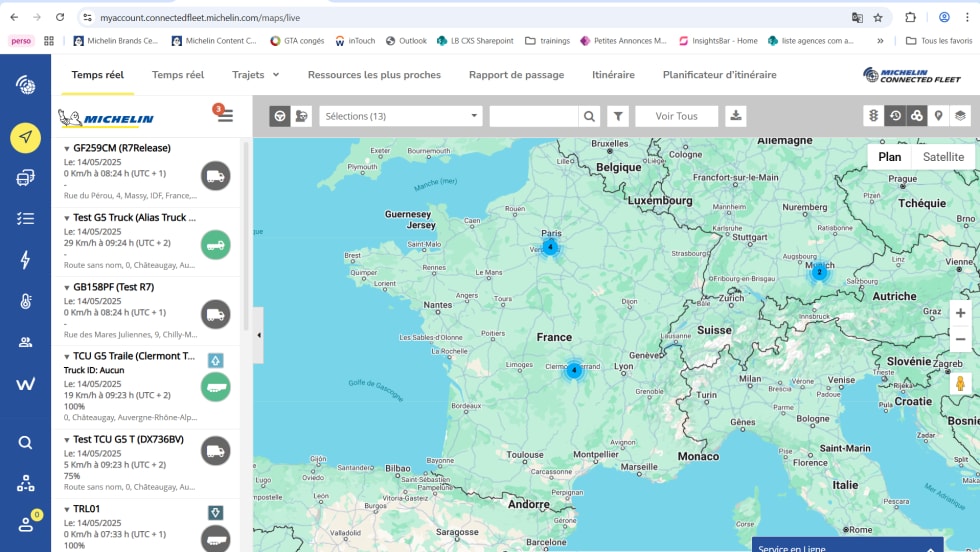
Michelin Adds AI Assistant to MyConnectedFleet Platform
Michelin’s new generative AI tool delivers instant fleet insights, helping managers analyze fuel use, tire maintenance, vehicle status, and operational performance without manually creating reports.
Read More →
LytxOne Platform Now Features AI, Compliance, and Asset Tracking Tools
New enhancements add AI-powered insights, asset tracking, compliance automation, and configurable privacy controls to Lytx's all-in-one fleet management platform.
Read More →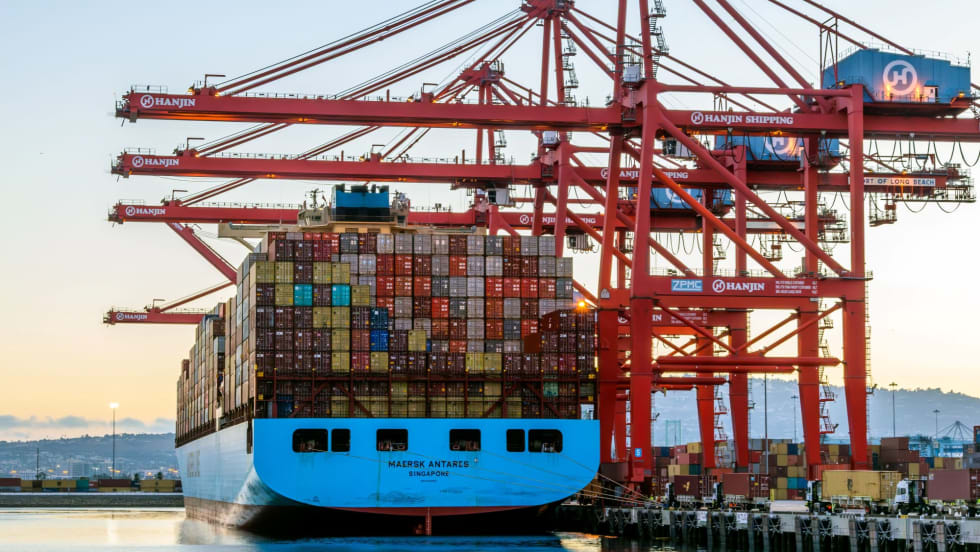
July Imports Poised to Set Container Record
The National Retail Federation projects July container imports will surpass the pandemic-era record as shippers frontload freight ahead of expected August tariff increases.
Read More →
HDT Announces 2026 Truck Fleet Innovator Finalists
From AI and fleet electrification to safety, operations, and leadership, these HDT Truck Fleet Innovator finalists are changing how trucking gets done.
Read More →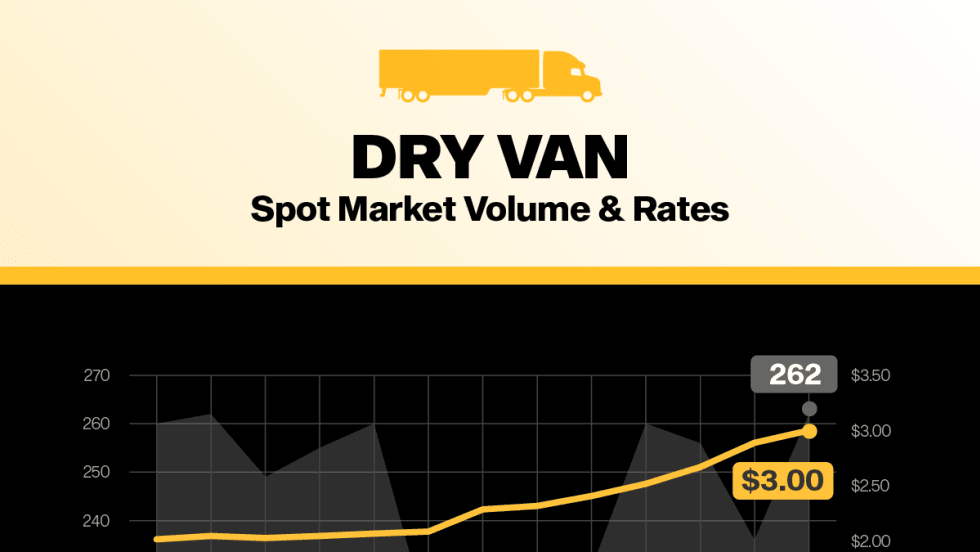
Van Spot Rates Top Contract Rates for First Time Since 2022
There’s more good economic news for the North American trucking industry according to the latest Truckload Volume Index report from DAT.
Read More →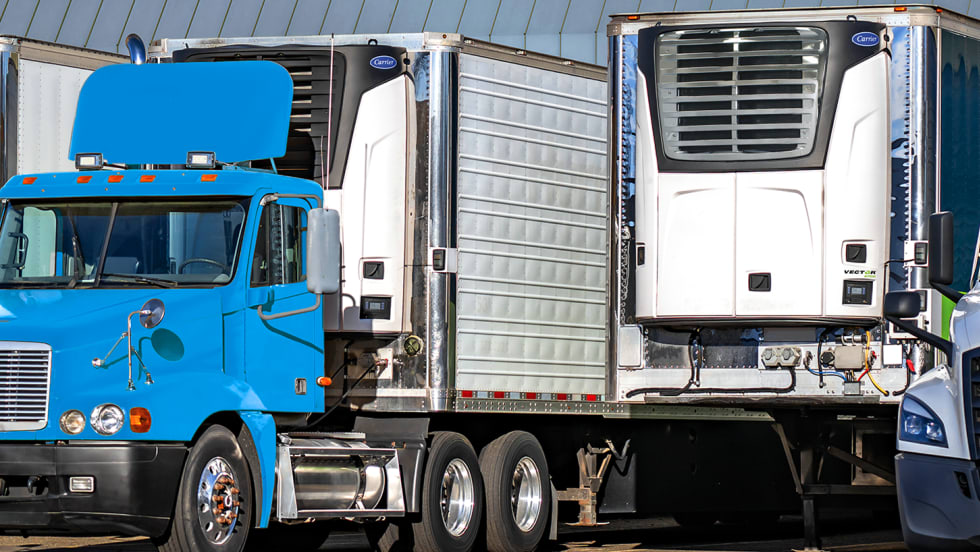
Carrier Transicold Extends Refrigerated Trailer Life
Fleet Refresh enables refrigerated fleets to replace aging transport refrigeration units instead of entire trailers, while adding Lynx Fleet telematics and BluEdge service coverage.
Read More →