




Volvo Expert: Truck Safety Begins and Ends with All of Us
ORLANDO – Getting beyond the always sobering yet stultifying dry facts and figures that safety experts often recite to make their case, Volvo Trucks’ Traffic and Product Safety Director Carl Johan Almqvist presented a common-sense take on why vehicle accidents occur and what we can all do to help prevent them.


Volvo's Carl Johan Almqvist: “The multimillion dollar question is why do accidents happen?” Photo: David Cullen
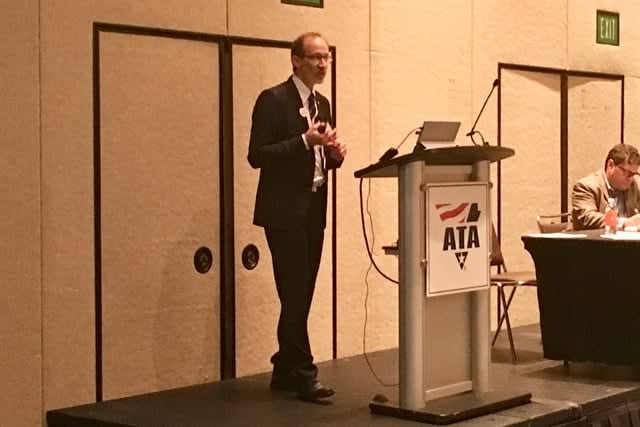
Volvo's Carl Johan Almqvist: “The multimillion dollar question is why do accidents happen?” Photo: David Cullen
ORLANDO – Getting beyond the always sobering yet stultifying dry facts and figures that safety experts often recite to make their case, Volvo Trucks’ Traffic and Product Safety Director Carl Johan Almqvist presented a common-sense take on why vehicle accidents occur and what we can all do to help prevent them.
“Every year, about 1.2 million people are killed in road traffic accidents worldwide,” he said in opening his talk on Oct. 27 here at the American Trucking Associations’ Management Conference & Exhibition. “That’s the equivalent in lives lost to having 10 airliners crash every day. If that were to happen, we would ground all airplanes.” But, he pointed out, we don’t “see” highway fatalities in the same way — as massive losses of human life.
Almqvist, who helped direct the latest annual Volvo Trucks Safety Report (produced by the Swedish OEM’s Accident Research Team), then said one of the first obstacles pretty much everyone has to overcome to sharply reduce the carnage on roads across the global is the “it won’t happen to me” feeling.
He said to instead think of who it will it happen to. “But is it ever okay,” he asked, “the number of people killed? Is it okay if it is someone in your family?” Almqvist said the recognition that it matters that anyone has to die in accidents is why “Volvo’s vision is to have zero accidents with our trucks.” He added that what no one wants to talk about “must be talked about or [improvement] will never happen.
“The multimillion dollar question is why do accidents happen?” Almqvist continued. He said that in his own globetrotting travels, no matter where he has gone, he has heard tell that “one major cause is ‘bad luck.’ But is it really about that? No, it’s not. But what we do know is that 90% of the accidents the world over are caused by human factors.” As an aside, he remarked that “that’s why it’s getting so popular to talk about getting rid of drivers.”
Almqvist pointed out there are several factors that, once added into the driving mix, will very negatively affect human performance behind the wheel: Distraction, misuse of alcohol and drugs, and speed. He gave particular attention to that last contributing factor, stating that speed plays a large role in accident causation because “humans are not equipped with a speed sensor. We do have a ‘height sensor’ that keeps us from falling. But we have no sense of how fast we are going.”
He then presented a snapshot of the fatality rates resulting from accidents for which trucks were held responsible both here and overseas. In the European Union, the rate was 15% while for the U.S., it was 11.5%.
The detailed 2017 Volvo Trucks Safety Report cited by Almqvist identified the following as being among “the most important focus areas” for advancing truck safety:
Increase seatbelt use by truck drivers
“Secure driver awareness” as well as direct and indirect visibility from the cab
Improve both direct and indirect visibility
Enable driver-coaching services that provide direct feedback to the driver, both when it comes to safer driving and more economical driving.
Develop Active Safety Systems—these have “great potential when it comes to truck occupants as well as fellow road users… Active Safety Systems aim by design not merely to mitigate an accident but also to avoid it.”
More Fleet Management
Why This Trucking Recovery Is Different
Freight demand remains sluggish, but rising costs and tougher enforcement have taken enough capacity out of the market to change the outlook for motor carriers.
Read More →
Platform Science Adds Dispatch and Safety Tools
Four additions to PS Fleet help fleets monitor loads, manage driver coaching, share truck locations and adjust video system settings.
Read More →
PrePass Intelligence Mines Fleet Bypass, Toll and Safety Data
PrePass Intelligence helps fleets measure bypass savings, flag potential toll overcharges, and spot suspicious transactions by combining data from separate systems.
Read More →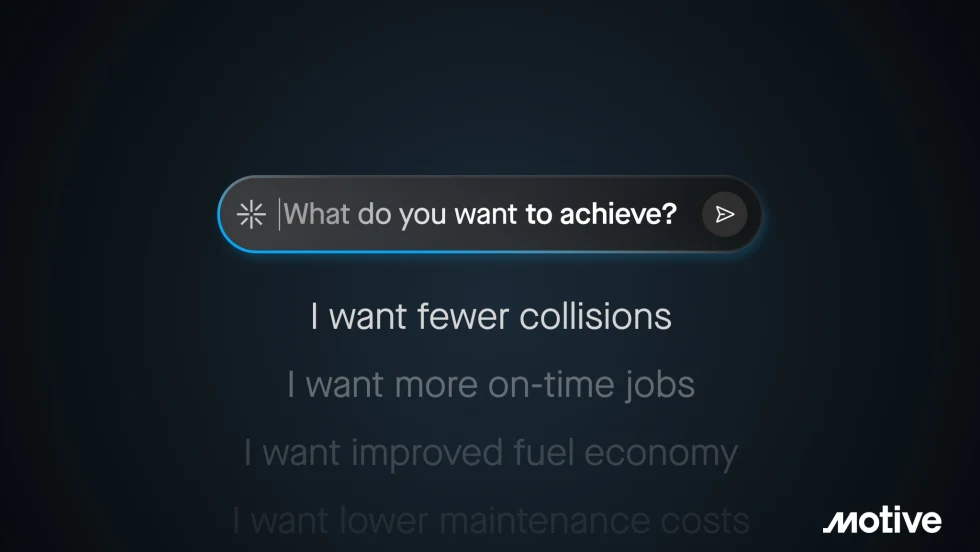
Motive Adds AI Agents for Fleet Operations
New tools automate follow-up on fleet data, from maintenance work orders to driver alerts, with two-way voice conversations planned for later this year.
Read More →
Can You Beat Our Trucking Trivia Challenge?
Test your truck knowledge with 19 trivia questions from Heavy Duty Trucking Exchange. Can you keep up with the fleet pros?
Read More →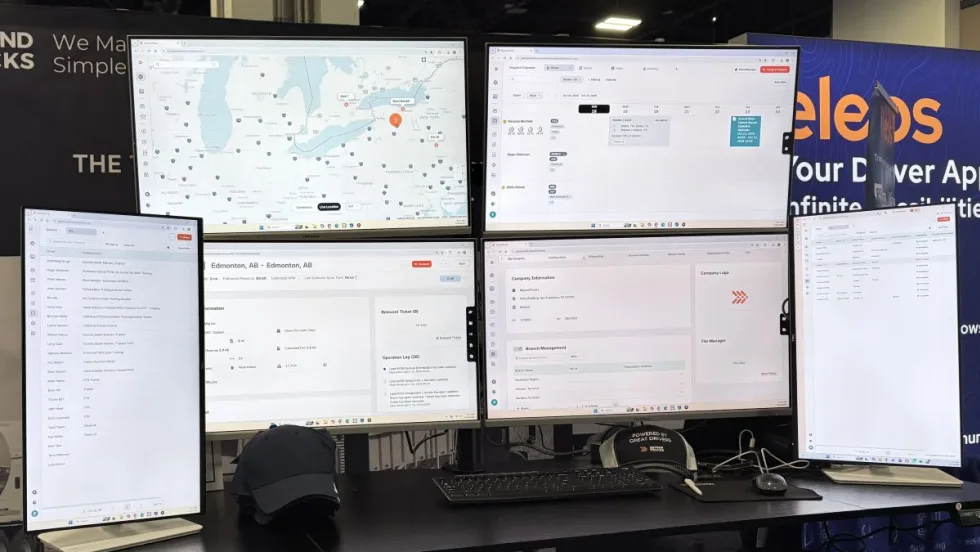
BeyondTrucks Adds Rules Checks to Dispatch
New Compatibility Engine checks driver qualifications, equipment requirements and fleet policies before loads are dispatched.
Read More →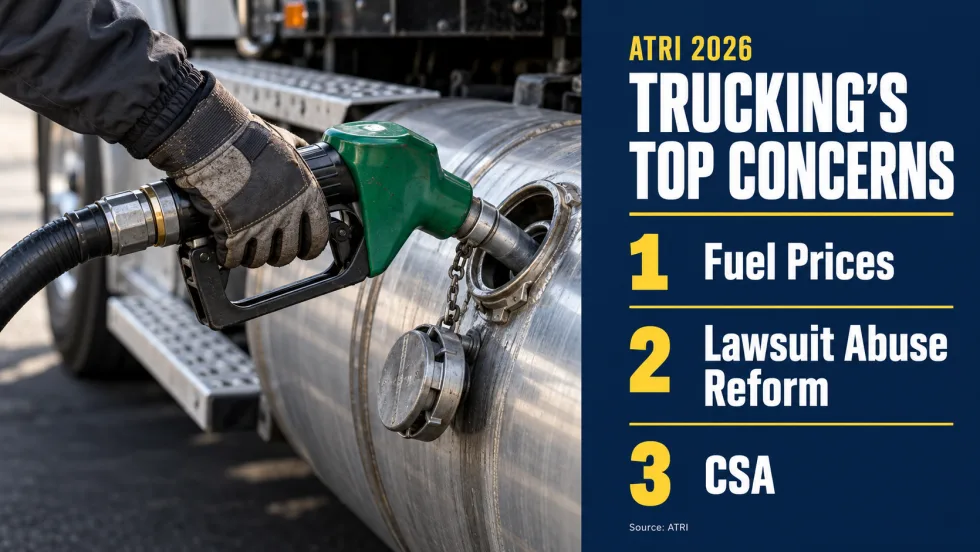
Diesel Prices Hijack Trucking’s Worry List
ATRI’s annual survey finds cautious optimism about freight, but diesel costs, litigation, and insurance continue to squeeze fleets. Drivers have different priorities on several issues.
Read More →
Nomination Deadline Extended for HDT Emerging Leaders
Just a few more days to nominate accomplished trucking fleet professionals under 40 who are making an impact and helping lead the industry forward for the HDT Emerging Leaders award. Deadline extended to October 20!
Read More →
What Will ATA’s New Leader Bring to Trucking's Table?
Incoming President and CEO Mark Colson’s record in Alabama offers clues about his priorities and approach following Chris Spear’s abrupt departure as the head of the American Trucking Associations.
Read More →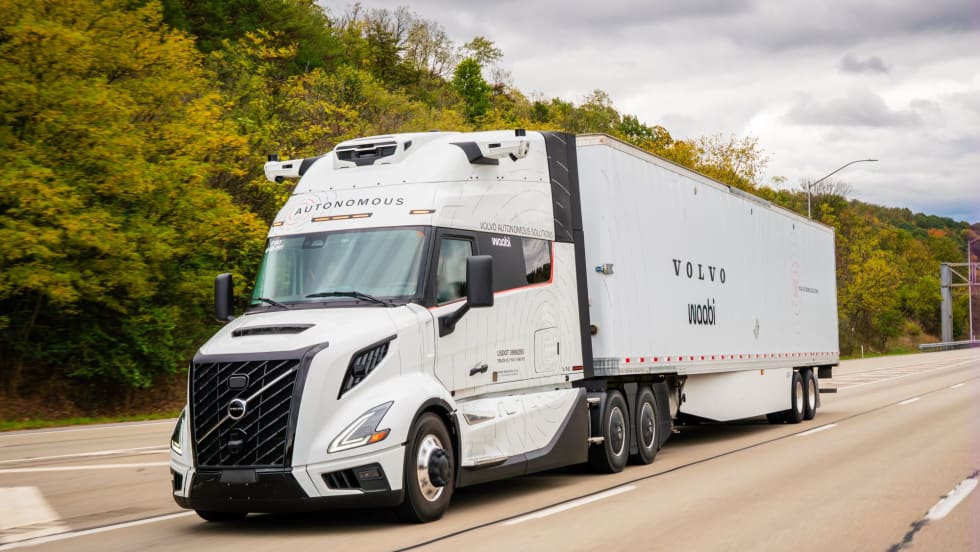
Volvo, Waabi Start Commercial Autonomous Operations in Texas
Volvo VNL Autonomous trucks, powered by the Waabi Driver, are hauling freight directly to third-party facilities for a customer in Texas.
Read More →