




TMW Systems Reveals Plans for Blockchain System
TMW Systems says it is developing a new blockchain system for trucking with the potential to create a transparent, secure, real-time logistics matrix that could save the industry as much as $80 million a year.
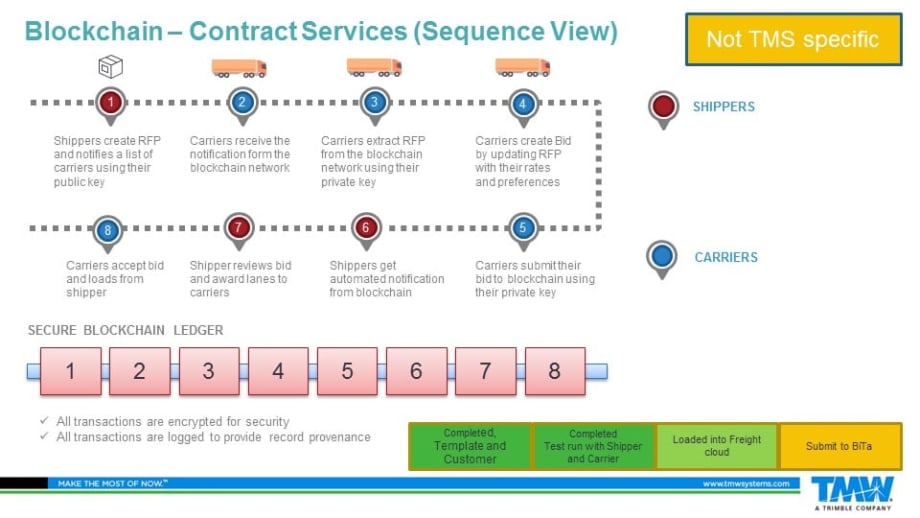
This graphic shows how a blockchain logistics chain develops as new conditions and terms of the contract are added during a shipment. Graphic: TMW Systems
This graphic shows how a blockchain logistics chain develops as new conditions and terms of the contract are added during a shipment. Graphic: TMW Systems
Trucking technology innovator TMW Systems announced that it is developing its own blockchain software system with an eye toward launching it next year.
The announcement came last week during an online presentation featuring Timothy Leonard, executive vice president of TMW Systems, outlining blockchain technology for trucking journalists and explaining the potential for this new technology to create completely transparent logistics agreements based on real-time data and encrypted, two-party agreements.
Other logistic companies today, UPS and Walmart, to name a couple, use proprietary blockchain systems to power their logistics networks. Leonard says TMW’s system, which has been in development for about 9 months now, will feature both private, encrypted, systems designed to connect shippers and carriers that subscribe to the new service. But in addition, Leonard says, the TWM system will be designed to connect with outside blockchain and vehicle communications and telematics systems, in order to create a virtual matrix of logistics agreements and information – much of which will be accessible to nonsubscribers, as a means of exponentially empowering connected programs and networks to facilitate and expedite logistics worldwide.
Leonard noted during the presentation that considerable confusion surrounds the blockchain concept, which is often associated with online, electronic currency systems such as Bitcoin and Ethereum. But, in reality, he explained, blockchain is a modern, internet-based ledger system – similar to a transaction-focused database, that connects interested parties and enables secure transactions in an open system that is not owned or controlled by any single party.
Leonard says he views TMW as more of a “host,” of the blockchain system currently under development and would only track the progress of the contract as a new logistics transaction is created and takes shape. “If you think of the process of moving a product from Point A to Point B as a logistics chain, then each agreement the shipper and carrier agree upon as that business deal comes together, is another “block,” or link, in that chain,” Leonard explained in a follow-up interview this week. “The initial agreement between the shipper and the carrier is the first block in the chain. And both parties have encryption “keys,” that enable them to look at the agreement whenever they wish to see the associated contractual details. In this way, blockchain provides transparency and new levels of security and trust. As the logistics train gets underway and the product begins moving toward its final destination, each new agreement or transaction that comes up becomes a new block in the chain.”
At the same time, Leonard added, the blockchain system itself constantly checks on each new transaction and ensures that it meets all the requirements laid down in each early block in the chain, as well as meeting all known rules and regulations pertaining to the shipment – everything from hours of service, various federal laws concerning commerce, the temperature of perishable foods, fuel charges down to delivery methods and times can easily be plugged into the chain with full, any-time, transparency available to all concerned parties. Once the delivery is made, the system can then delivery almost immediate payment to the shipper.
The beauty of the system, Leonard adds, is that it can essentially serve as the internet-based foundation for real-time supply chain transparency, with virtually every aspect of fleet and logistics operations – including delays due to traffic, accidents or weather – eventually becoming part of the system.
For now, Leonard said, TWM is focused on three main areas of development for its blockchain system: RFP, bids and awards, EDI transactions and parts warranty and vehicle service records, with additional operational factors to be added later on.
Leonard said he – and TMW – believe the system will be a transformational for the trucking, ultimately handling up to 500,000 transactions a week and saving the industry between $60 and $80 million in operational costs.
More Fleet Management
Why This Trucking Recovery Is Different
Freight demand remains sluggish, but rising costs and tougher enforcement have taken enough capacity out of the market to change the outlook for motor carriers.
Read More →
Platform Science Adds Dispatch and Safety Tools
Four additions to PS Fleet help fleets monitor loads, manage driver coaching, share truck locations and adjust video system settings.
Read More →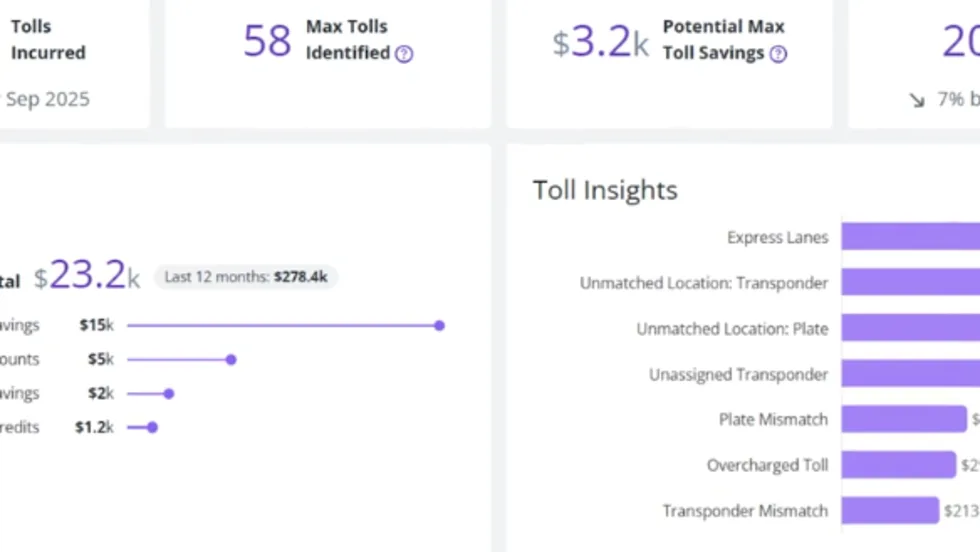
PrePass Intelligence Mines Fleet Bypass, Toll and Safety Data
PrePass Intelligence helps fleets measure bypass savings, flag potential toll overcharges, and spot suspicious transactions by combining data from separate systems.
Read More →
Motive Adds AI Agents for Fleet Operations
New tools automate follow-up on fleet data, from maintenance work orders to driver alerts, with two-way voice conversations planned for later this year.
Read More →
Can You Beat Our Trucking Trivia Challenge?
Test your truck knowledge with 19 trivia questions from Heavy Duty Trucking Exchange. Can you keep up with the fleet pros?
Read More →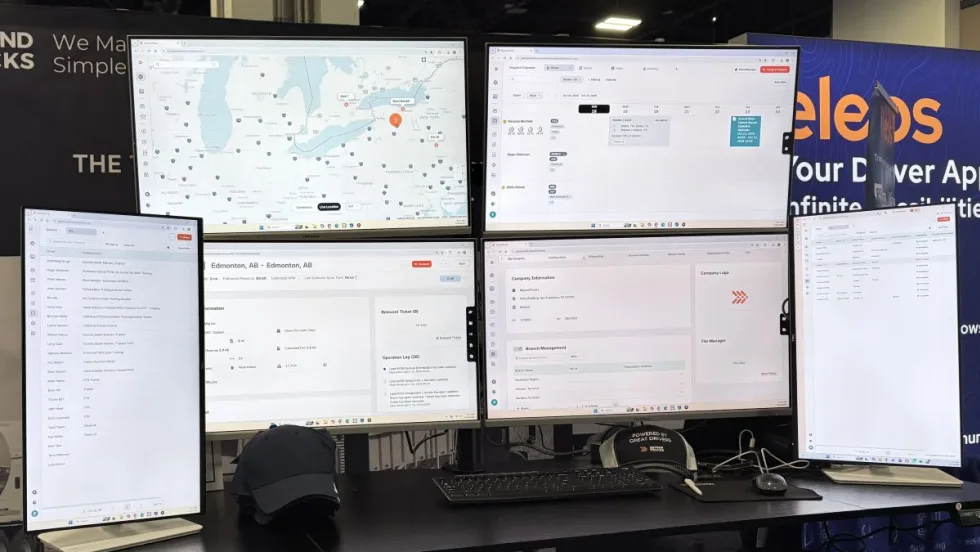
BeyondTrucks Adds Rules Checks to Dispatch
New Compatibility Engine checks driver qualifications, equipment requirements and fleet policies before loads are dispatched.
Read More →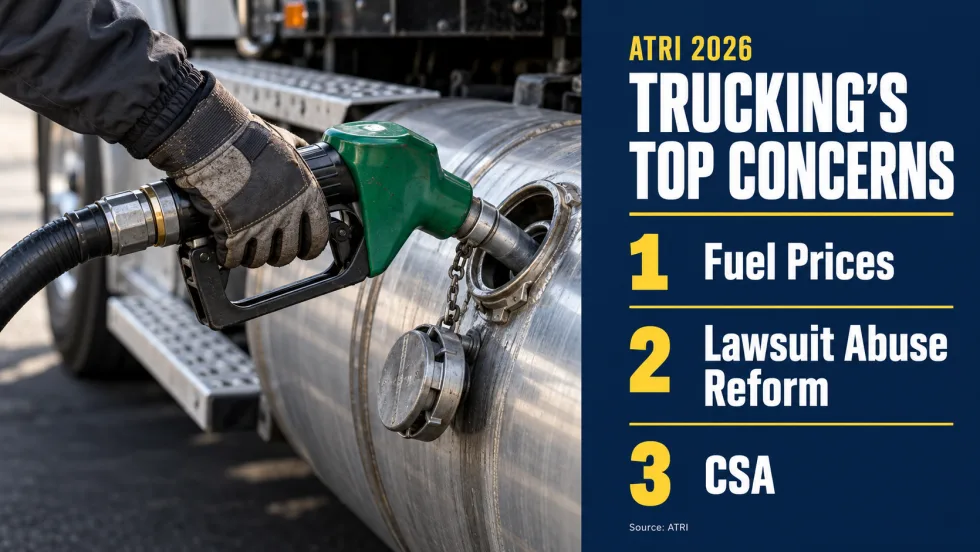
Diesel Prices Hijack Trucking’s Worry List
ATRI’s annual survey finds cautious optimism about freight, but diesel costs, litigation, and insurance continue to squeeze fleets. Drivers have different priorities on several issues.
Read More →
Nomination Deadline Extended for HDT Emerging Leaders
Just a few more days to nominate accomplished trucking fleet professionals under 40 who are making an impact and helping lead the industry forward for the HDT Emerging Leaders award. Deadline extended to October 20!
Read More →
What Will ATA’s New Leader Bring to Trucking's Table?
Incoming President and CEO Mark Colson’s record in Alabama offers clues about his priorities and approach following Chris Spear’s abrupt departure as the head of the American Trucking Associations.
Read More →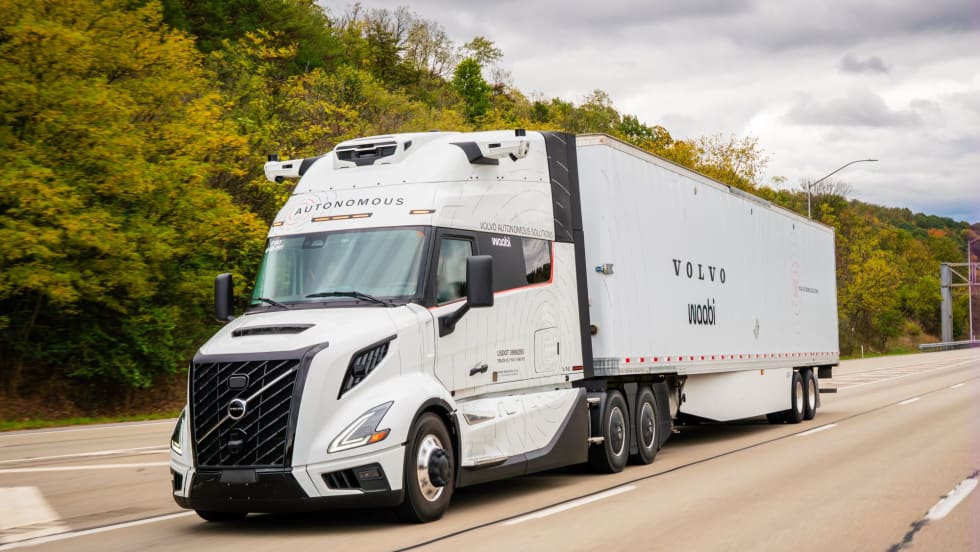
Volvo, Waabi Start Commercial Autonomous Operations in Texas
Volvo VNL Autonomous trucks, powered by the Waabi Driver, are hauling freight directly to third-party facilities for a customer in Texas.
Read More →