




Economic Watch: Hurricanes Hit Housing, Industrial Production
Home building in the U.S. slowed in September, according to a new report, while a separate one showed that the total amount of output from the nation’s factories, mines and utilities moved higher during the month. Results of both reports would have been better had it not been for two hurricanes.


Home building in the U.S. slowed in September, according to a new report, while a separate one showed that the total amount of output from the nation’s factories, mines and utilities moved higher during the month. Results of both reports would have been better had it not been for two hurricanes.
U.S. housing starts fell 4.7% last month to a seasonally adjusted annual rate of 1.127 units, according to the Commerce Department. That's the slowest pace since September 2016 and it follows an upwardly revised August level of 1.183 million units.
In contrast, single-family home starts, the biggest share of the market, showed a 2.4% increase in September from August with a year-over-year gain of 9.3%.
The same report also showed that the number of building permits issued during September, an indicator of future construction levels, fell 4.5% from the month before.
Both the number of starts in September, as well as the number of new building permits issued, were below a consensus estimate from analysts.
Not surprisingly, the South, where the most home construction happens, saw the number of home starts fall 9.3% last month, its biggest drop since October 2015. Single family home starts fell even greater, 15.3%, hitting a more than one-year low.
“Housing has been generally slowing and looks to end 2017 no better than flat. Still, permits and completions for single-family homes are solid pluses,” said analysts at Econoday.
Despite the decline in homebuilding activity, sentiment among home builders surged in October, according to survey released Tuesday by the National Association of Home Builders, hitting its highest level since May.
“It is encouraging to see builder confidence return to the …levels we saw in the spring and summer,” said NAHB Chief Economist Robert Dietz. “With a tight inventory of existing homes and promising growth in household formation, we can expect the new home market to continue to strengthen at a modest rate in the months ahead.”
Industrial Production Posts Modest Gain
Meantime, a separate reported showed that industrial production rose 0.3% in September, according to the Federal Reserve, while the August and July performances were revised, though still showing declines of 0.7% and 0.1%, respectively.
“The continued effects of Hurricane Harvey and, to a lesser degree, the effects of Hurricane Irma combined to hold down the growth in total production in September by 0.25 of a percentage point,” said the Federal Reserve.
For the third quarter as a whole, industrial production fell at an annual rate of 1.5%. Excluding the effects of the hurricanes, the index would have risen at least 0.5%, according to the report.
Manufacturing output edged up 0.1% in September, but fell at a 2.2% annual rate in the third quarter. The indexes for mining and utilities in September rose 0.4% and 1.5%, respectively.
At 104.6% of its 2012 average, total industrial production in September was 1.6% above its year-earlier level.
Capacity utilization for the industrial sector increased 0.2 of a percentage point in September to 76%, a rate that is 3.9 percentage points below its 1972–2016 average.
In analyzing the numbers, Wells Fargo Securities said “do not rush to judgment on the modest gain in industrial production for September.”
It pointed out that in 2015 industrial production fell in 11 out of 12 months as a retrenchment in the energy sector weighed on mining output along with other factors like a then stronger dollar and weak global growth backdrop.
In 2016, output fell only six out of 12 months as that rebalancing in the energy sector was still a factor, but the global backdrop was showing improvement as industrial production was regaining its footing.
This year, there had been only one monthly slip before Harvey knocked industrial production into negative territory.
“Looking into the remaining months of the year and considering the outlook for 2018, we look for industrial production to ramp up modestly,” said Tim Quinlan, senior economist at Wells Fargo Securities. “The factors that weighed on growth in recent years have either reversed altogether or at least faded. The dollar’s march higher has reversed this year, global growth has been firming and energy prices have broadly stabilized, which has lifted mining output again. On that basis our outlook is for 2% to 2.5% growth for industrial production in 2018.”
More Fleet Management

Motive Adds AI Agents for Fleet Operations
New tools automate follow-up on fleet data, from maintenance work orders to driver alerts, with two-way voice conversations planned for later this year.
Read More →
Can You Beat Our Trucking Trivia Challenge?
Test your truck knowledge with 19 trivia questions from Heavy Duty Trucking Exchange. Can you keep up with the fleet pros?
Read More →
BeyondTrucks Adds Rules Checks to Dispatch
New Compatibility Engine checks driver qualifications, equipment requirements and fleet policies before loads are dispatched.
Read More →
Diesel Prices Hijack Trucking’s Worry List
ATRI’s annual survey finds cautious optimism about freight, but diesel costs, litigation, and insurance continue to squeeze fleets. Drivers have different priorities on several issues.
Read More →
Nomination Deadline Extended for HDT Emerging Leaders
Just a few more days to nominate accomplished trucking fleet professionals under 40 who are making an impact and helping lead the industry forward for the HDT Emerging Leaders award. Deadline extended to October 20!
Read More →
What Will ATA’s New Leader Bring to Trucking's Table?
Incoming President and CEO Mark Colson’s record in Alabama offers clues about his priorities and approach following Chris Spear’s abrupt departure as the head of the American Trucking Associations.
Read More →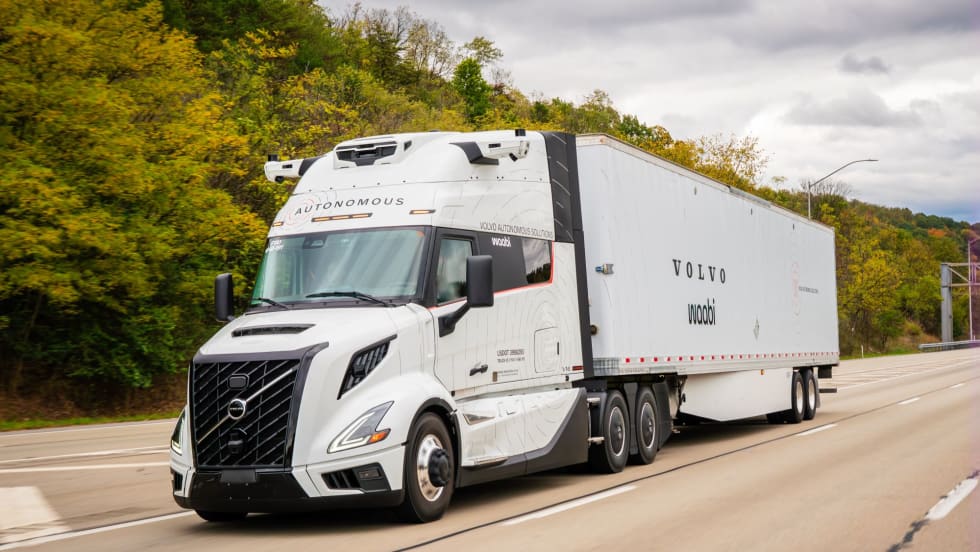
Volvo, Waabi Start Commercial Autonomous Operations in Texas
Volvo VNL Autonomous trucks, powered by the Waabi Driver, are hauling freight directly to third-party facilities for a customer in Texas.
Read More →
Samsara Launches Custom AI Agent Builder
Agent Studio lets fleets create AI tools for hours-of-service monitoring, reporting and driver support, including agents that communicate by phone.
Read More →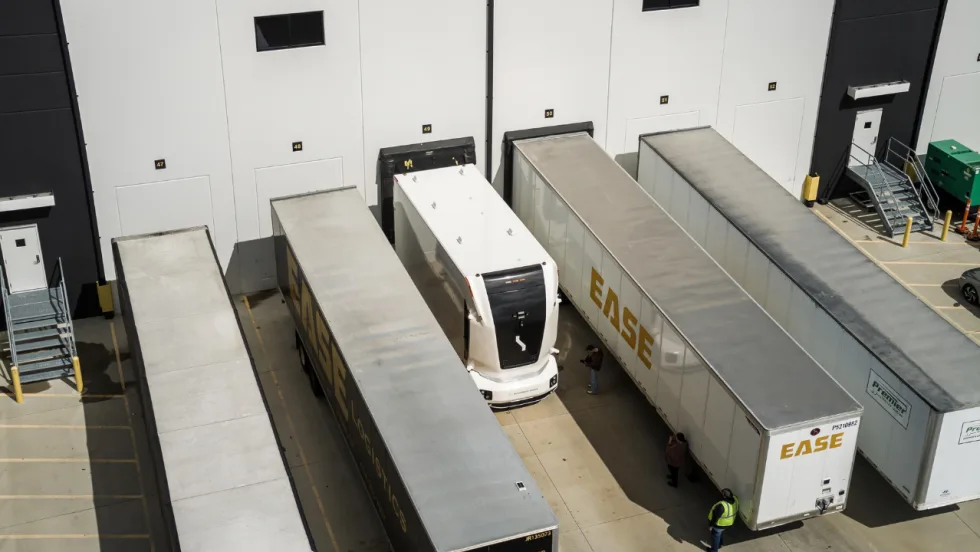
Einride Driverless Electric Trucks Begin Daily Freight Operations in Ohio
Two cabless electric trucks are hauling freight between EASE Logistics facilities in Marysville, Ohio, as part of a multi-state truck automation project.
Read More →
Geotab Links Fleet Card to Vehicle Data
The new card combines fuel discounts with telematics-based purchase controls. Geotab’s analysis also points to potential savings from choosing lower-priced fuel stops.
Read More →