




Self-Driving Trucks Need to Gain Traction on Capitol Hill
Despite the argument that some sort of self-driving truck will become an everyday reality before any self-driving car does, legislation that would ease the application of autonomous driving technology to commercial trucks has so far failed to gain traction on Capitol Hill.

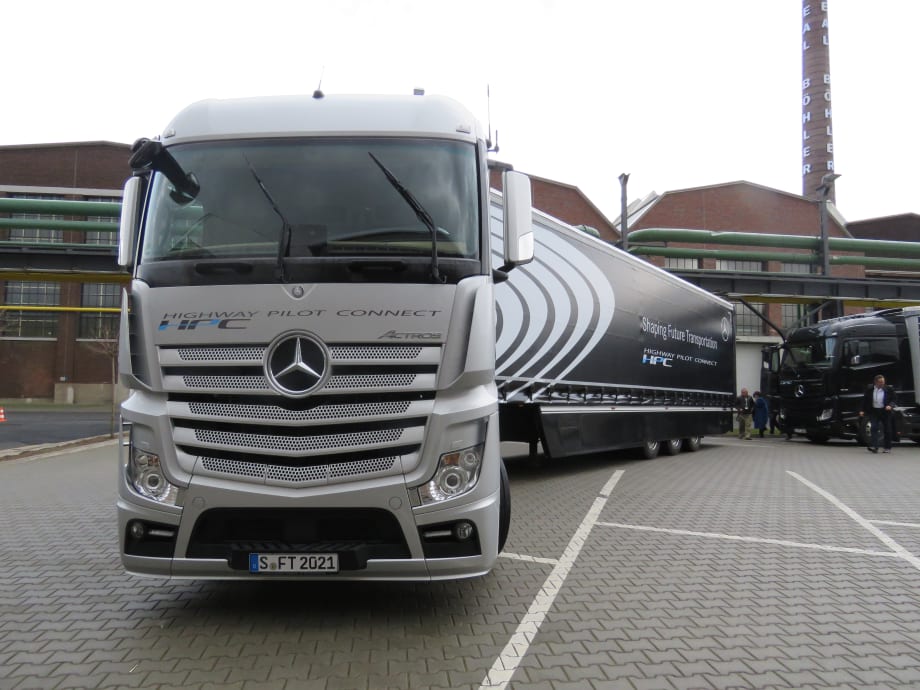
Mercedes-Benz Actros tractor used to demonstrate Daimler’s Highway Pilot Connect autonomous technology on German roads. Photo: David Cullen
Mercedes-Benz Actros tractor used to demonstrate Daimler’s Highway Pilot Connect autonomous technology on German roads. Photo: David Cullen
Despite the argument that some sort of self-driving truck will become an everyday reality before any self-driving car does, legislation that would ease the application of autonomous driving technology to commercial trucks has so far failed to gain traction on Capitol Hill.
While the House on Sept. 6 passed via a bipartisan voice vote a bill that could help speed the development of self-driving cars, the legislation makes no mention of commercial vehicles.
The Safely Ensuring Lives Future Deployment and Research in Vehicle Evolution (SELF DRIVE) Act aims to assist the rollout of fully self-driving cars by allowing federal pre-emption of state authority so that automakers can be exempted from any safety standards deemed not applicable to self-driving technology. In addition, the bill would permit the deployment of up to 100,000 self-driving cars annually over the next several years.
It has been reported that commercial vehicles were cut out of the measure as a sop to labor unions that see self-driving trucks as a threat to jobs. Indeed, the Teamsters lobbied hard this summer to keep trucks out of the House self-driving bill.
"It is vital that Congress ensure that any new technology is used to make transportation safer and more effective, not used to put workers at risk on the job or destroy livelihoods," Teamsters President James P. Hoffa said in a statement at the time.
Meanwhile, the Senate has yet to take up a bill on any kind of self-driving vehicle. However, Sen. John Thune (R-SD), Chairman of the Senate Committee on Commerce, Science, and Transportation, will hold a hearing next week on “Transportation Innovation: Automated Trucks and our Nation's Highways” that will look into the benefits of the technology as well as why trucks-- so far-- have been left out of federal self-driving legislation.
According to the committee, the hearing will “examine the benefits of automated truck safety technology as well as the potential impacts on jobs and the economy.”
It was noted in a statement on the hearing that including or excluding trucks, buses, and other heavy-duty vehicles has been “a topic of discussion in ongoing bipartisan efforts to draft self-driving vehicle legislation.”
“Self-driving technology for trucks and other large vehicles has emerged as a pivotal issue in Congress’ attempt to help usher in a new era of transportation,” said Thune. “This hearing will offer all members of the Commerce Committee the opportunity to hear expert testimony on the future highway safety benefits of applying automated technology to trucks as well as perspectives on excluding trucks from legislation affecting small passenger vehicles.”
Deborah Hersman, National Safety Council President and CEO and former chair of the National Transportation Safety Board, and Chris Spear, president and CEO of the American Trucking Associations, are among those scheduled to testify before the Senate committee.
Asked for ATA’s position on the House bill, Sean McNally, the association’s spokesperson, told HDT that “ATA supports the development of this [self-driving] technology and we don't think it makes sense to write legislation without it applying to all vehicles, and that includes commercial trucks which account for 33.8 million registered vehicles and 450 billion miles traveled annually.
"We view this legislation, and its soon-to-be introduced companion in the Senate, as a roadmap toward a future that includes more automated vehicles, and that map should provide direction for all highway users,” he continued. “It continues to be our belief that the technologies being developed today will assist, rather than supplant, drivers on the road."
HDT also sought comment on the House bill from Daimler Trucks North America, which has legally tested its own self-driving technology on Nevada roads. Manager of Corporate Communications Paige Jarmer replied that, “We will respectfully decline to comment.”
Related: Global Self-Driving Market Expected to Grow 40% by 2027
More Fleet Management
Motive Adds AI Agents for Fleet Operations
New tools automate follow-up on fleet data, from maintenance work orders to driver alerts, with two-way voice conversations planned for later this year.
Read More →
Can You Beat Our Trucking Trivia Challenge?
Test your truck knowledge with 19 trivia questions from Heavy Duty Trucking Exchange. Can you keep up with the fleet pros?
Read More →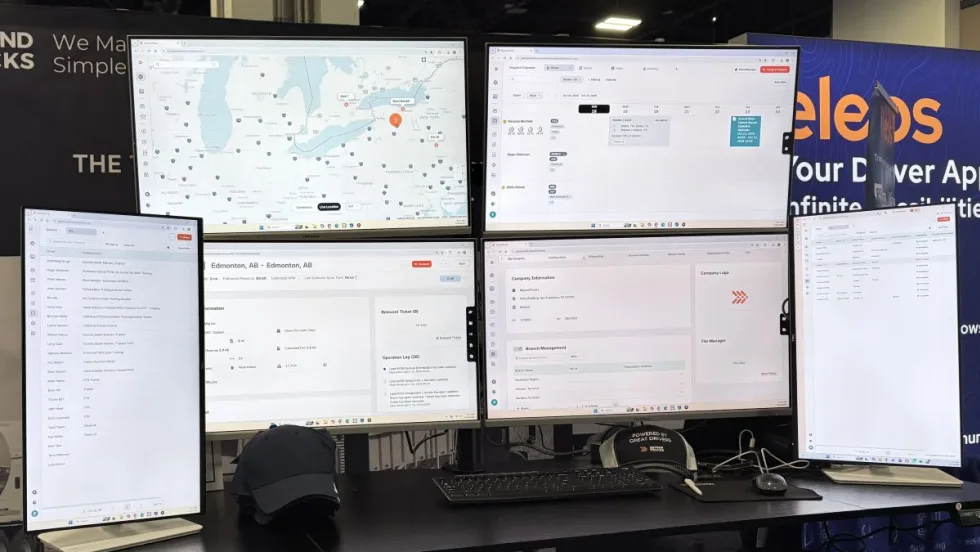
BeyondTrucks Adds Rules Checks to Dispatch
New Compatibility Engine checks driver qualifications, equipment requirements and fleet policies before loads are dispatched.
Read More →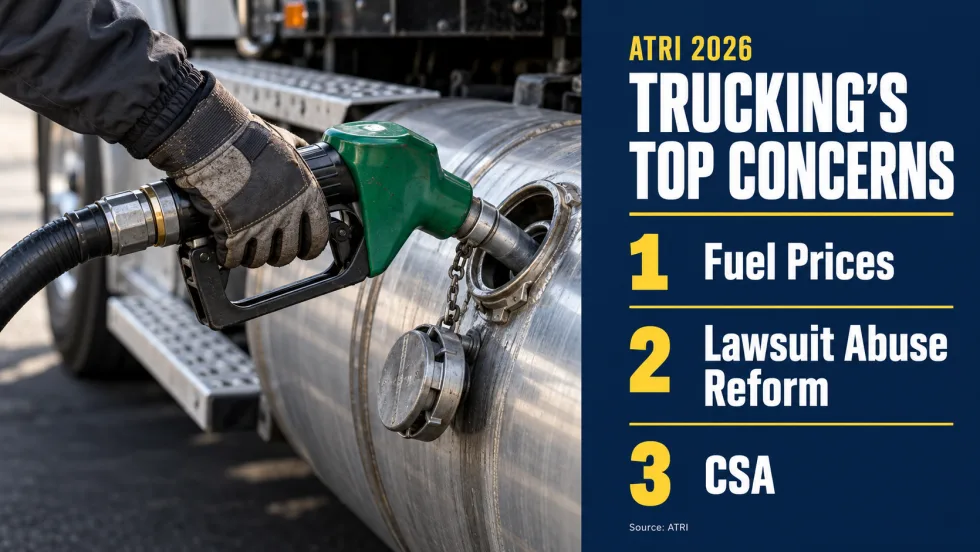
Diesel Prices Hijack Trucking’s Worry List
ATRI’s annual survey finds cautious optimism about freight, but diesel costs, litigation, and insurance continue to squeeze fleets. Drivers have different priorities on several issues.
Read More →
Nomination Deadline Extended for HDT Emerging Leaders
Just a few more days to nominate accomplished trucking fleet professionals under 40 who are making an impact and helping lead the industry forward for the HDT Emerging Leaders award. Deadline extended to October 20!
Read More →
What Will ATA’s New Leader Bring to Trucking's Table?
Incoming President and CEO Mark Colson’s record in Alabama offers clues about his priorities and approach following Chris Spear’s abrupt departure as the head of the American Trucking Associations.
Read More →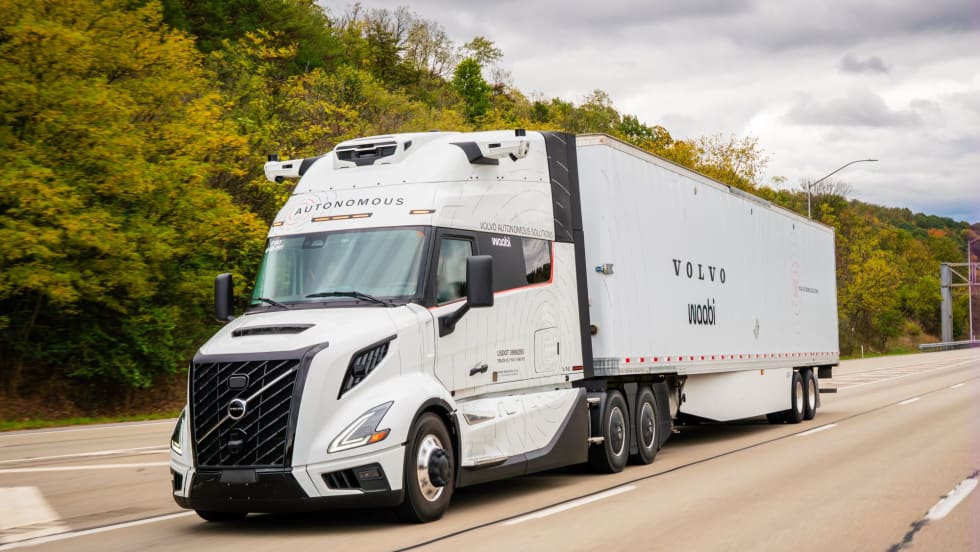
Volvo, Waabi Start Commercial Autonomous Operations in Texas
Volvo VNL Autonomous trucks, powered by the Waabi Driver, are hauling freight directly to third-party facilities for a customer in Texas.
Read More →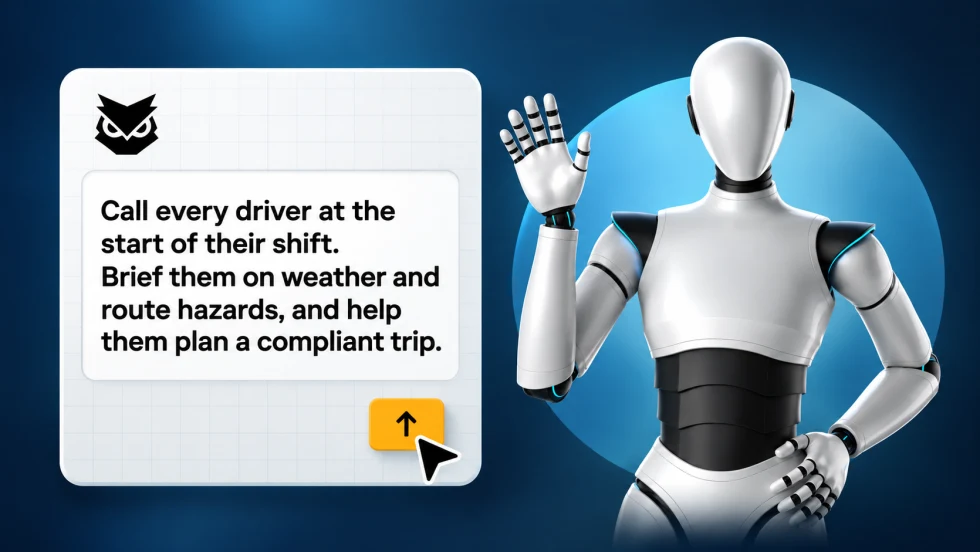
Samsara Launches Custom AI Agent Builder
Agent Studio lets fleets create AI tools for hours-of-service monitoring, reporting and driver support, including agents that communicate by phone.
Read More →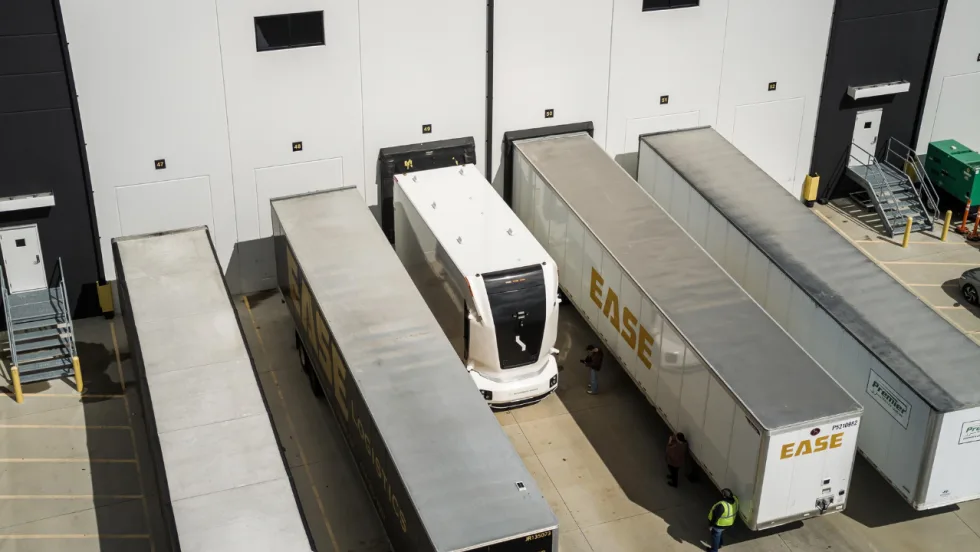
Einride Driverless Electric Trucks Begin Daily Freight Operations in Ohio
Two cabless electric trucks are hauling freight between EASE Logistics facilities in Marysville, Ohio, as part of a multi-state truck automation project.
Read More →
Geotab Links Fleet Card to Vehicle Data
The new card combines fuel discounts with telematics-based purchase controls. Geotab’s analysis also points to potential savings from choosing lower-priced fuel stops.
Read More →