




House Bill Would Repeal Heavy-Truck Federal Excise Tax
A new effort to ax the 12% federal excise tax on most heavy-duty trucks, tractors and trailers has been mounted on Capitol Hill by Rep. Doug LaMalfa (R-CA).

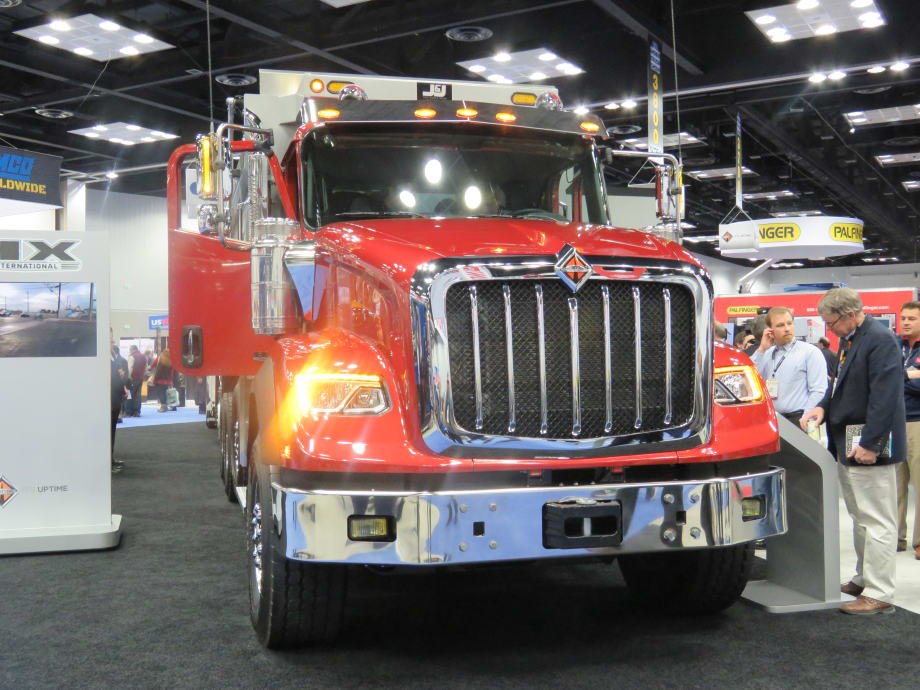
Photo: David Cullen
Photo: David Cullen
A new effort to ax the 12% federal excise tax on most heavy-duty trucks, tractors, and trailers has been mounted on Capitol Hill by Rep. Doug LaMalfa (R-CA). He introduced the Heavy Truck, Tractor and Trailer Retail Federal Excise Tax Repeal Act of 2017 (H.R. 2946) on June 20, a bill that would repeal the FET on the retail sale of trucking equipment.
“The excessive 12% federal excise tax on heavy trucks adds tens of thousands of dollars to truck purchases and directly impacts the cost of food, consumer goods and other products Americans need,” Rep. LaMalfa said in a statement. “Even worse, truck owners large and small pay this tax whether a truck is driven 100,000 miles or never driven at all, forcing them to pay taxes on an investment that may not be generating any revenue.
“Repealing the truck tax will help small businesses invest in new equipment while jump-starting domestic manufacturing.” He added that removing the truck FET should be considered by the House Ways and Means Committee when it drafts legislation to reform the overall tax code.
The FET was originally imposed in 1917 to help defray the cost of World War I. The tax has grown from 3%, when it was incorporated into the Highway Trust Fund in 1955, to 12% now.
The American Truck Dealers, a division of the National Automobile Dealers Association, applauded LaMalfa’s bill.
“The 12% federal excise tax on heavy-duty trucks is the highest percentage rate of any federal excise tax that Congress levies, and it adds $12,000 to $22,000 to the price of a new heavy-duty truck,” said ATD Chairman Steve Parker, who is president of Maryland-based Baltimore Potomac Truck Centers. “The FET depresses new heavy-duty truck sales and delays the deployment of cleaner, safer and more fuel-efficient trucks.”
Parker also called the FET “essentially a tax on American jobs,” stating that the tax “hurts truck sales and inhibits job growth, directly affecting the 7.3 million Americans employed in the U.S. trucking industry. Congress should include H.R. 2946 in the upcoming tax reform bill. A repeal of the FET will spur new-truck sales and get our economy moving.”
More Fleet Management

Why Private Fleets Are Taking More Freight
Private fleets are putting their own trucks on demanding customers and high-cost lanes as companies seek greater control over service, costs, and capacity.
Read More →
Color Match Smarter: Tools That Restore & Perform
For fleet managers and collision repair professionals keeping heavy-duty trucks on the road, getting the color right the first time isn't just about appearance — it's about efficiency, turnaround time, and bottom-line results. Discover how today's digital color tools are transforming the repair process from guesswork to precision.
Read More →
FMCSA Pauses Biennial-Update Enforcement Amid Motus Transition
Carriers whose updates were due on or after June 1 have more time, while FMCSA works to stabilize its new registration system and warns of phishing sites impersonating its new carrier registration system, Motus.
Read More →


2026 Blueprint for Countering Smarter Supply Chain Theft
Cargo theft is no longer just the cost of doing business. It's a multi-billion-dollar criminal enterprise exploiting vulnerabilities across your fleet, drivers, and supply chain.
Read More →
How Telematics Improves Visibility, Control, and Performance in Refrigerated Fleets
Explore how telematics help refrigerated fleets improve visibility, uptime, efficiency, compliance, and cargo protection across connected cold chain operations.
Read More →
What the U.S.-Canada Trade War Means for Trucking
Escalating U.S.-Canada tariffs could disrupt cross-border freight, reduce truck volumes, raise costs, and create new uncertainty for carriers on both sides of the border.
Read More →
What Are Trucking’s Top Concerns for 2026?
The American Transportation Research Institute wants to know what's worrying trucking fleet managers, drivers, and other stakeholders in its annual Industry Issues survey.
Read More →
American Trucking Associations Looks for a New Leader
ATA President and CEO Chris Spear abruptly left his job at the association on August 21, at a pivotal time for the trucking industry.
Read More →
Public Wi-Fi Cybersecurity Risks: How Truck Drivers and Fleets Can Protect Their Data
Public Wi-Fi can expose truck drivers and fleets to credential theft, malware, and other cyber threats. Here’s how to reduce the risk on the road.
Read More →
For Nicky Cupp, Fleet Innovation Starts With Frustration
HDT Truck Fleet Innovator Nicky Cupp turns everyday pain points at Fraley & Schilling into opportunities for better technology and smarter processes.
Read More →