




FMCSA Proposes Split Sleeper Berth Pilot Program
Hoping to develop “statistically reliable evidence” on whether split-sleeper-berth time affects driver safety performance and fatigue, the Federal Motor Carrier Safety Administration is proposing a pilot program that would give a limited number of CDL holders temporary relief from the existing sleeper-berth regulation of the hours of service rule.


Photo: FMCSA

Hoping to develop “statistically reliable evidence” on whether split-sleeper-berth time affects driver safety performance and fatigue, the Federal Motor Carrier Safety Administration is proposing a pilot program that would give a limited number of CDL holders temporary relief from the existing sleeper-berth regulation of the hours of service rule.
During the pilot program, participating truckers who regularly use a sleeper berth to accumulate their required 10 hours of non-duty work status would have the option to split their sleeper berth time within parameters specified by FMCSA. The agency said that driver metrics would be collected for the duration of the study and that participants’ safety performance and fatigue levels would be analyzed. Official notice of the proposal is slated to be published on June 6.
FMCSA pointed out that currently any interstate driver who operates a property-carrying vehicle equipped with a sleeper berth and who uses the sleeper berth provision must take at least eight consecutive hours in the sleeper berth, plus a separate two consecutive hours either in the sleeper berth, off duty, or any combination of the two, before returning to on-duty status.
By contrast, the pilot program would give participating drivers a temporary exemption from this requirement for consolidated sleeper berth time. The agency said that for study purposes, drivers would be allowed to split their sleep into no more than two sleeper berth segments.
“Current regulations allow drivers to use one 10-hour period, or splits of nine and one hours or eight and two hours,” said FMCSA. “Drivers operating under the exemption for this study would be allowed to use any combination of split sleeper periods, totaling 10 hours, with neither period being less than three hours , allowing for the driver to use splits of three and seven hours, four and six hours, or two five-hour periods. Following study enrollment, drivers would be able to use split or consolidated sleep schedules as they choose (within study parameters), but they must still meet the daily minimum rest requirements.”
FMCSA will be seeking public comment on the pilot proposal, including but not limited to these and other questions:
Are any additional safeguards needed to ensure that the pilot program provides a level of safety equivalent to that without the consolidated sleeper berth time exemption?
Are the data collection efforts proposed for carriers and drivers so burdensome as to discourage participation?
How should data collection efforts differ for team drivers?
The complete proposal can be accessed here.
Comments may be submitted online to teh agnecy under Docket No. FMCSA-2016-0260 by clicking here.
More Fleet Management
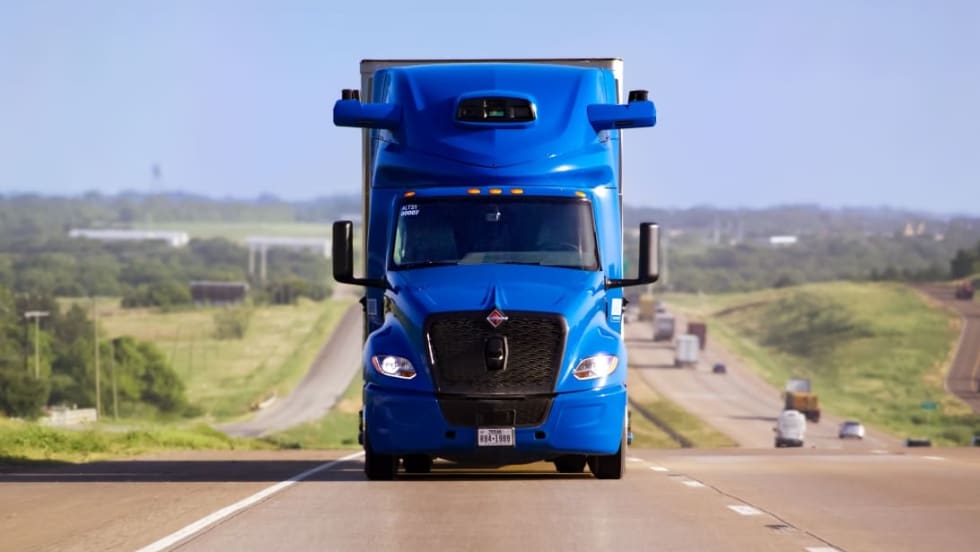
Aurora Rolls Out Next Generation of Driverless Trucks for Commercial Freight
Aurora's latest autonomous trucks it's rolling out with International feature lower-cost hardware designed for a million miles as the company expands commercial driverless freight operations across the U.S. Sun Belt.
Read More →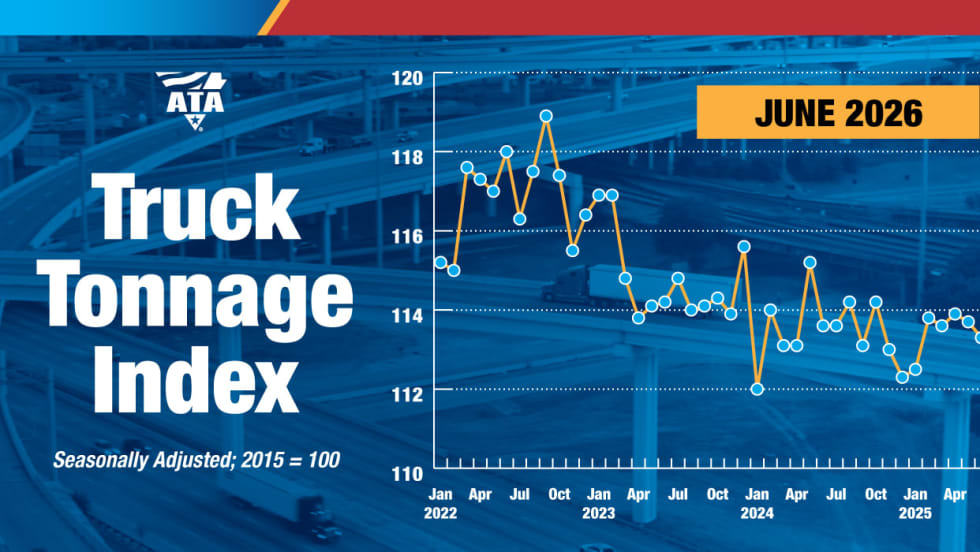
Freight Tonnage Down, Rates up, as Lower Capacity Powers Trucking Recovery
The recovery from the freight recession continues to be driven by reduction in capacity rather than by increased demand.
Read More →
Think Your Trucking Fleet Isn't Using Much AI? Think Again
Shadow AI — the use of unauthorized artificial intelligence tools at work — is becoming increasingly common, putting sensitive company data at risk. Learn how trucking fleets can protect sensitive data while embracing AI.
Read More →
ArcBest Consolidates Brands, Cuts Workforce
The company will bring three business units under the ArcBest brand, eliminate about 2% of positions, and expects the changes to generate $40 million in annual savings.
Read More →
Trucking Fleets Faced Record Operating Costs During Third Year of Freight Recession
ATRI's annual operational cost report shows carriers trimmed fleets, delayed equipment purchases, and ran older trucks as expenses continued to outpace freight rates.
Read More →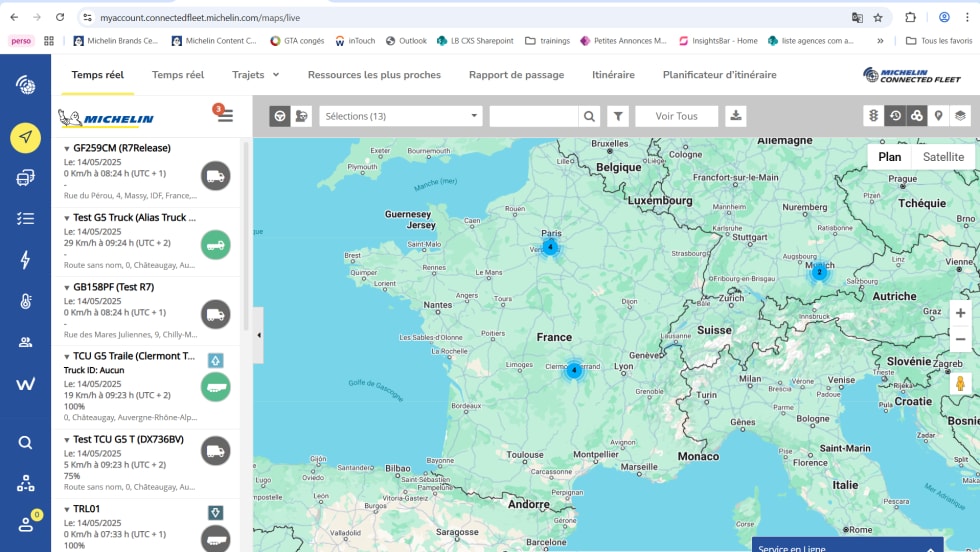
Michelin Adds AI Assistant to MyConnectedFleet Platform
Michelin’s new generative AI tool delivers instant fleet insights, helping managers analyze fuel use, tire maintenance, vehicle status, and operational performance without manually creating reports.
Read More →
LytxOne Platform Now Features AI, Compliance, and Asset Tracking Tools
New enhancements add AI-powered insights, asset tracking, compliance automation, and configurable privacy controls to Lytx's all-in-one fleet management platform.
Read More →
July Imports Poised to Set Container Record
The National Retail Federation projects July container imports will surpass the pandemic-era record as shippers frontload freight ahead of expected August tariff increases.
Read More →
HDT Announces 2026 Truck Fleet Innovator Finalists
From AI and fleet electrification to safety, operations, and leadership, these HDT Truck Fleet Innovator finalists are changing how trucking gets done.
Read More →
Van Spot Rates Top Contract Rates for First Time Since 2022
There’s more good economic news for the North American trucking industry according to the latest Truckload Volume Index report from DAT.
Read More →