




Related: Uber Freight Launches for Owner-Operators, Small Fleets
Uber Retires Otto Brand Name
Uber has quietly retired the Otto brand name with no word on a future branding for the autonomous truck developer.
by Staff
May 26, 2017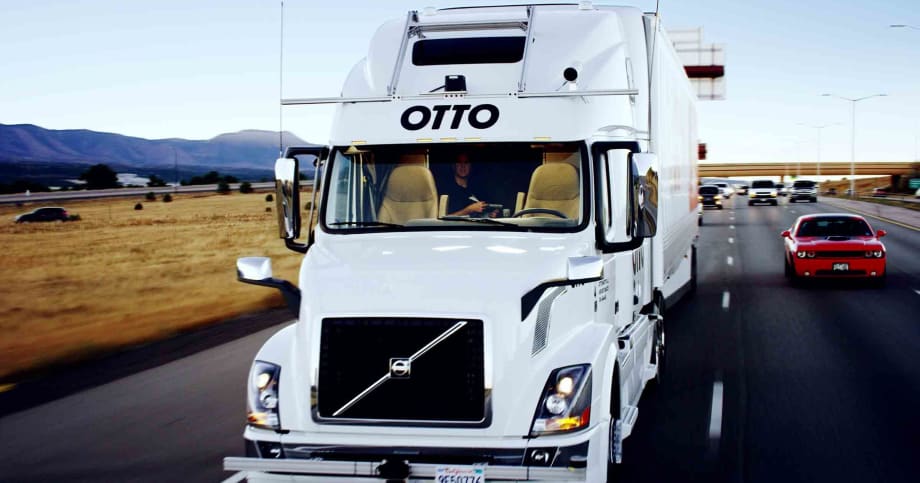
The retirement of the Otto brand name comes on the heels of a tough year for the autonomous truck company. Photo: Otto
2 min to read
The retirement of the Otto brand name comes on the heels of a tough year for the autonomous truck company. Photo: Otto
Uber has quietly put the Otto brand name out to pasture, according to published reports out of San Francisco. As Forbes reports, “Uber consolidated Otto’s activities under its Advanced Technologies Group, or Uber ATG, in April and ‘retired the Otto name.’” Uber has had no further comment on the move since, although the Forbes article does note that “the change came shortly after the dismissal of a trademark infringement suit brought by Kitchener, Ontario-based Otto Motors, a unit of Clearpath Robotics that makes autonomous vehicles for warehouses and industrial facilities.”
There is no word yet from Uber on what the company will rename its autonomous truck technology business. In a written statement to Forbes, Otto Motors spokesperson Meghan Hennessey said, “We are continuing to operate under the Otto brand, whereas Uber has recently announced on its website that it is retiring the Otto name.”
The report comes amidst a tough year for Uber’s autonomous vehicle development. Uber acquired Otto last summer, only to have another autonomous technology company, Google’s Waymo business division, file suit against it in February of this year. The lawsuit accused Otto co-founder and former Waymo employee, Anthony Levandowski, of stealing tech secrets and colluding with Uber to have that company acquire Otto once the company was up and running.
When Uber launched its much-anticipated Uber Freight brokerage app last week, some observers were surprised that it had nothing to do with autonomous trucks. While there’s much speculation that Uber Freight and the company’s autonomous truck division will eventually synchronize operations and offerings, the company is downplaying such talk, for now, telling HDT Editor in Chief Deborah Lockridge, “I can say Uber’s mission is to make transportation reliable, seamless and safe, and it has lots of bets all over the place,” from flying cars to self-driving cars and trucks.
“Right now self-driving trucks and Uber Freight are two independent bets on what the future of trucking might look like. Certainly when Uber bought [autonomous truck tech start-up] Otto, it whet its appetite for what it could do in the trucking space. Right now that’s two separate teams working on two separate paths… One day will they cross paths and create something together? Possibly, but it’s not something the team is focused on right now.”
More Fleet Management

What the U.S.-Canada Trade War Means for Trucking
Escalating U.S.-Canada tariffs could disrupt cross-border freight, reduce truck volumes, raise costs, and create new uncertainty for carriers on both sides of the border.
Read More →
What Are Trucking’s Top Concerns for 2026?
The American Transportation Research Institute wants to know what's worrying trucking fleet managers, drivers, and other stakeholders in its annual Industry Issues survey.
Read More →
American Trucking Associations Looks for a New Leader
ATA President and CEO Chris Spear abruptly left his job at the association on August 21, at a pivotal time for the trucking industry.
Read More →
Public Wi-Fi Cybersecurity Risks: How Truck Drivers and Fleets Can Protect Their Data
Public Wi-Fi can expose truck drivers and fleets to credential theft, malware, and other cyber threats. Here’s how to reduce the risk on the road.
Read More →
For Nicky Cupp, Fleet Innovation Starts With Frustration
HDT Truck Fleet Innovator Nicky Cupp turns everyday pain points at Fraley & Schilling into opportunities for better technology and smarter processes.
Read More →
Adam Buttgenbach’s Approach to Electric Trucks: Start With Where They Fit
HDT Truck Fleet Innovator Adam Buttgenbach helped PepsiCo build one of North America’s largest EV fleets by focusing on where electric trucks make operational sense.
Read More →
Deen Albert: Let Automation Do the Math, People Make the Decisions
HDT Truck Fleet Innovator Deen Albert makes sure people are still at the heart of operations at Grand Island Express, even while adopting artificial intelligence tools. AI-assisted dispatch helped boost revenue 25% with the same number of trucks.
Read More →
Trimble’s New AI Agent Takes Aim at Fleet Back-Office Busywork
Arc Agent works across Trimble TMS products to automate repetitive tasks such as freight orders, maintenance, invoices, fuel costs and more.
Read More →
How HDT’s 2026 Truck Fleet Innovators Are Rethinking Fleet Operations
Meet five trucking leaders who are challenging assumptions, solving operational problems, and putting innovative ideas to work.
Read More →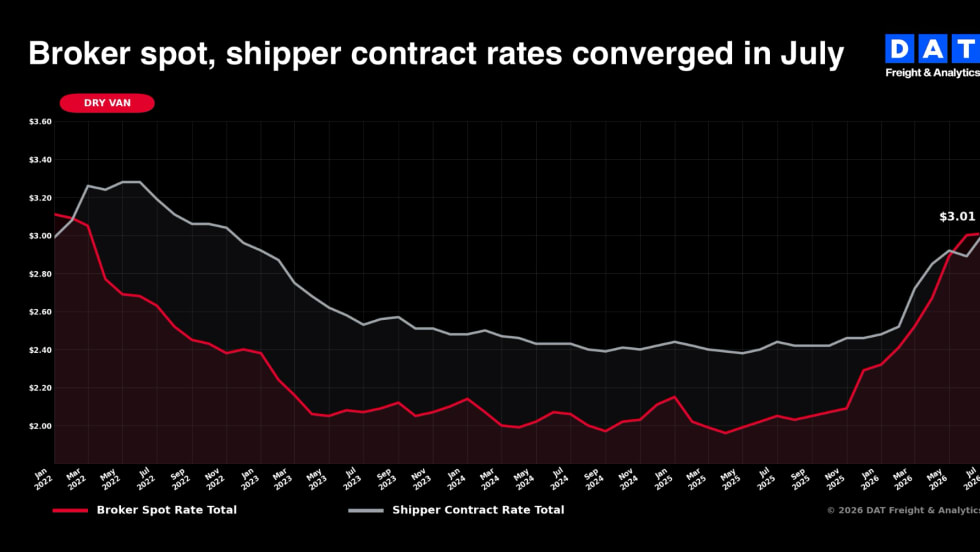
Tight Trucking Capacity Pushes Rates Higher Even as Freight Volumes Fall
“Spot rates moving ahead of contract rates have historically signaled a tightening market, but we haven’t seen a capacity-driven market quite like this one,” said DAT's Dean Croke.
Read More →