




Retail sales in the U.S. bounced back in April after falling the month before as two readings of inflation also rebounded, all raising the prospect that the Federal Reserve will increase interest rates again in June.
Economic Watch: Retail Sales Bounce Back along with Inflation Pressures
Retail sales in the U.S. bounced back in April after falling the month before as two readings of inflation also rebounded, all raising the prospect that the Federal Reserve will increase interest rates again in June.

Evan Lockridge・Former Business Contributing Editor
4 min to read
The 0.4% increase in retail sales fell short of Wall Street expectations of a 0.6% hike and follows an upwardly revised 0.1% decline in March. Compared to April 2016, retail sales last month moved up 4.5%, according to a Commerce Department report released Friday.
Leading the increase was a 12.3% jump in sales of gasoline from a year earlier while non-store retailers reported an 11.9% hike. In contrast, sales at department stores last month fell 0.2% from the month before but online retailers reported an increase of 1.4%, the strongest month-over-month gain of any category.
According to RBC Economics Research, spending over the last two months is in line with the view that the slowing in first quarter consumer spending growth was more the result of “normal” volatility in the data and a weather-related pull-back in utilities consumption than the beginning of a new weaker trend.
“Strong employment growth, rising wages and consumer confidence, and the still simulative stance of monetary policy [by the Federal Reserve] are all pointing to a solid household spending backdrop and the recent data remains in line with our forecast for a 2.8% increase in consumer expenditures in the second quarter that we expect will support a 2.9% increase in gross domestic product, following the surprisingly modest 0.7% annualized gain,” said Nathan Janzen, RBC senior economist.
Consumer and Wholesale Prices Rising
Meantime, separate reports show inflation is rising at both the retail and the wholesale levels, according to two separate Commerce Department reports.
The Consumer Price Index, the main gauge of retail inflation, increased 0.2% in April following a 0.3% drop in March, due in large part to a 1.1% jump in energy prices, the biggest gain since January. This most recent performance matched a consensus estimate from a poll of economists. Over the past 12 months the CPI is up 2.2%.
Core prices, which eliminate the volatile food and energy sectors, showed a 0.1% gain, less than expectations, after a 0.1% drop in March, translating into a 1.9% increase over the past year, the lowest since October 2015.
“Inflation has come off the boil in the last two months, though we don’t see the latest data standing in the way of a June rate hike,” said Josh Nye, senior economist at RBC. “Following last week’s labor market report that showed a rebound in job growth and 4.4% unemployment rate, there seems to be a bit more urgency from Fed officials to continue removing accommodation.”
He said inflation and wage data isn’t yet signaling that a sharp tightening in monetary policy is required, but with unemployment at a 16 -year low and inflation hovering around 2%, RBC expects the Fed will proceed with gradual rate hikes rather than risk falling behind the curve.
“We think a June rate hike is in order, as well as further tightening over the second half of the year,” Nye said.
This follows a report from the day before showing prices at the wholesale level in April increased more than expected. The 0.5% hike in the Producer Price Index from the month before was broad-based.
The April gain is the largest since January and follows a 0.1% decline in March. Over the past 12 months, the PPI has increased 2.5%, the largest year-over-year increase since it hit 2.8% in February 2012.
Energy prices rebounded 0.8% in April following a March drop while prices for food rose by 0.9% for the second consecutive month. Prices for services moved higher by 0.4% following a 0.1% decline the month before.
Excluding food, energy and trade service prices, a preferred measure by some economists, the PPI jumped 0.7% for the month and is rising at its fastest annual pace on record at 2.1%.
“With gains broad-based and annual rates in the headline and core measures standing at a series high, today’s PPI report signals stronger inflation pressures at the start of the second quarter and also keeps the Federal Reserve on track for a June interest rate hike,” said Sam Bullard, senior economist at Wells Fargo Securities.
The Fed last moved interest rates higher in March, which was its third hike since the first in a series that began in December 2015 after leaving them near a zero level for around seven years.
More Fleet Management
HDT Q&A: Brian Antonellis on the Growing Need to Replace Old Trucks
Fleet Advantage's Brian Antonellis says it's time for fleets to get back to the fundamentals of good maintenance practices. And that includes replacing older, inefficient equipment.
Read More →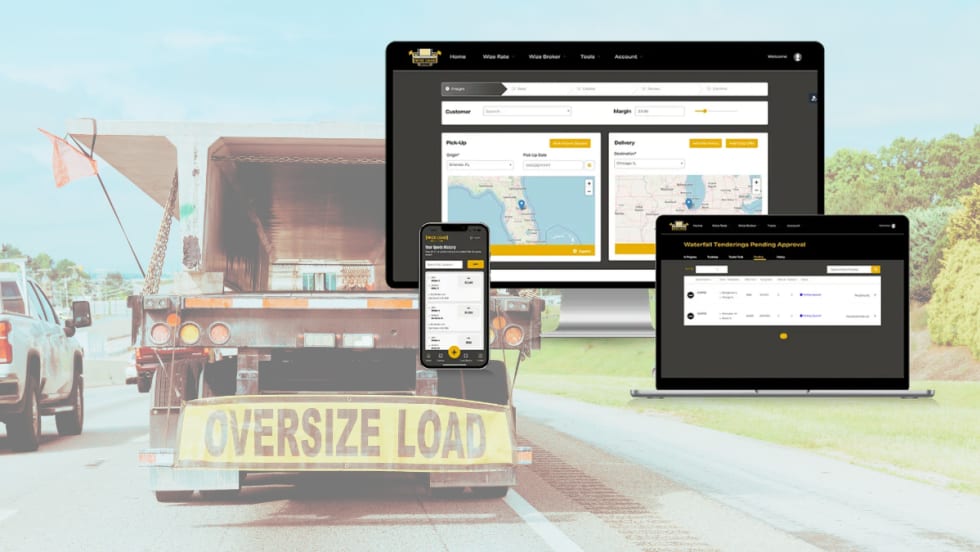
Truckstop.com Adding to Open Deck, Heavy Haul Offerings
Load matching for flatbed, lowbed, oversize and overweight loads can't be automated like basic van freight, but Truckstop.com is adding more high-tech tools to help.
Read More →
Trucker Path, Truckstop.com Expand Load Access Partnership
An expanded Trucker Path and Truckstop.com integration brings more freight opportunities into the TruckLoads app while emphasizing security and network quality.
Read More →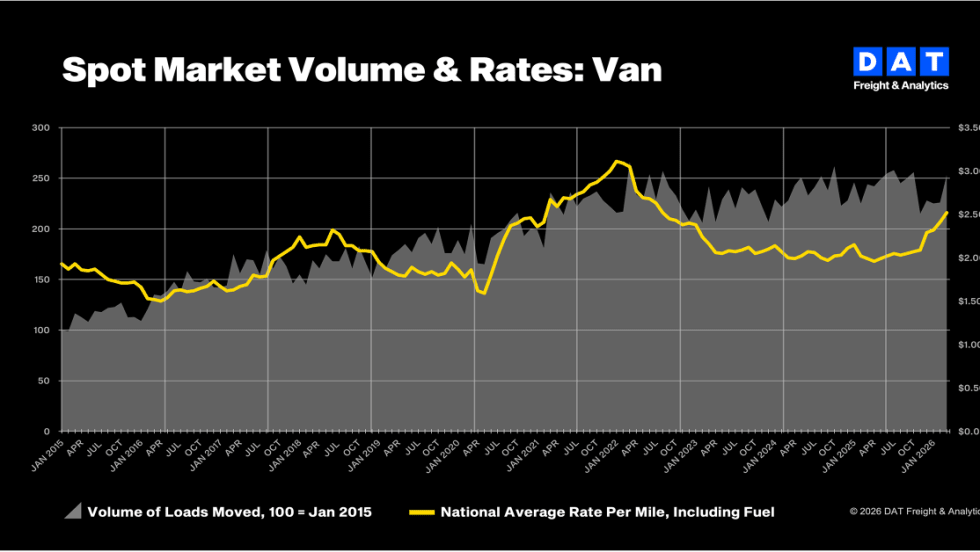
Truckload Rates Hit Two-Year Highs as Diesel Costs Surge, DAT Says
Strong March freight demand combined with a spike in fuel costs pushed both spot and contract truckload rates to their highest levels in more than two years.
Read More →
The AI Conversation You Need to Have with Your TMS Provider
Everyone’s talking about AI — but is your transportation management system actually built for it?
Read More →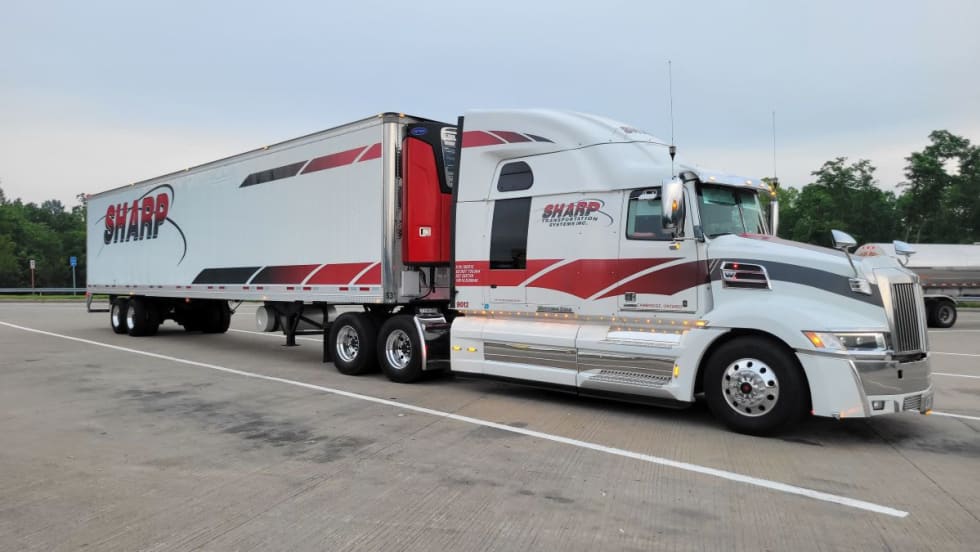
Kriska Buys Fellow Canadian Carrier Sharp Transportation Systems
Being part of KTG will allow Sharp to expand and improve its services.
Read More →
Bill in House Would Raise Minimum Insurance for Motor Carriers to $5 Million
The Fair Compensation for Truck Crash Victims Act would increase insurance requirements for interstate motor carriers by nearly seven times.
Read More →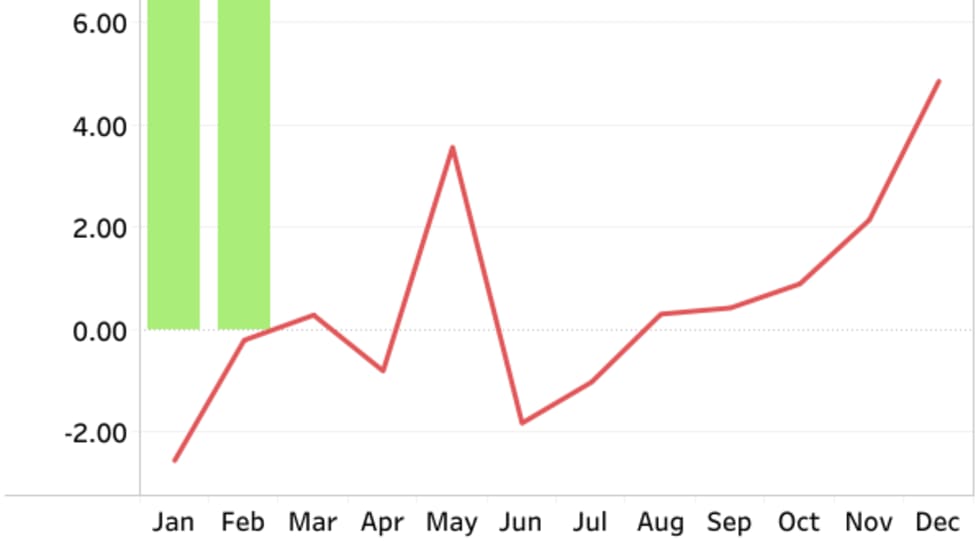
FTR Trucking Conditions Index Hits Four-Year High in February
Strong freight rates push TCI to 10.2, but FTR expects fuel-price volatility to skew March results.
Read More →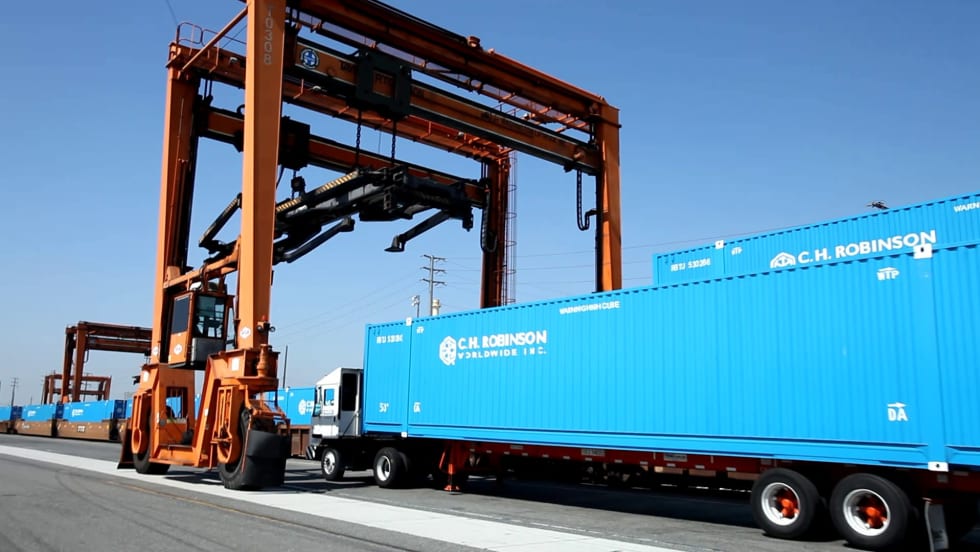
C.H. Robinson Offers Carriers Relief as Diesel Prices Surge
C.H. Robinson is waiving fees on fuel cards and cash advances for April and May, aiming to help carriers offset rising diesel costs tied to geopolitical instability.
Read More →
What Trucking Events are Happening in 2026?
Looking for trucking-related conventions, expos, and other events? Heavy Duty Trucking has developed this list of national and larger regional trucking shows and events.
Read More →