




Automakers Fear NAFTA Changes
U.S. automakers are pushing President Trump not to make any significant changes that will affect their cross-border manufacturing operations.

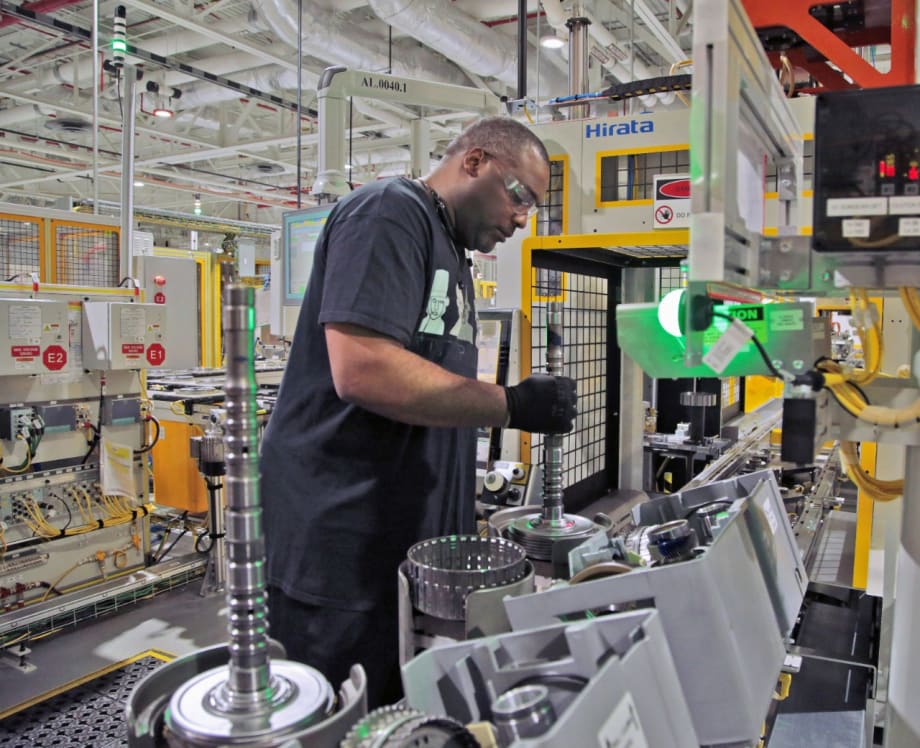
Photo: Ford Motor Co.
Photo: Ford Motor Co.
U.S. automakers are pushing President Trump "not to make any changes to NAFTA that would jeopardize production ties with Canada and Mexico that have been built up over the last 25 years," according to a Politico.com ProTrade post.
Understandably, the car makers don’t want to mess with success. They are now "performing at levels that really haven't been seen in decades," said Charles Uthus, vice president for international policy at the American Automotive Policy Council, stated the Politico report.
AAPC represents the common public policy interests of its member companies: FCA US LLC (Fiat-Chrysler) Ford Motor Company and General Motors Company.
Politico reported that Uthus credits NAFTA for much of that success and contends that hiking tariffs between the three NAFTA signatories would hurt the competitiveness of the North American region. The report also stated that parts manufacturers don’t want any changes to the agreement that would “"upset the supply chain."
The Big Three auto makers’ concern reflects the advantages it has reaped from operating in the common U.S.-Canada-Mexico market since the NAFTA agreement went into effective on January 1, 1994— over 23 years ago.
Perhaps in recognition of the inevitability of Trump pursuing some reforms of NAFTA, AAPC President Matt Blunt issued a statement on May 18 that seeks to avoid breaking eggs by whipping NAFTA into a tastier omelette. “NAFTA has helped to boost the global competitiveness of the U.S. auto industry sector and we support modernizing the agreement in ways that will further strengthen North America as a manufacturing powerhouse, stimulate economic growth and drive job creation,” he stated.
Blunt said that AAPC encourages administration “to seize this opportunity” to work with Canada and Mexico “to support strong and enforceable currency manipulation disciplines in trade agreements and encourage the global acceptance of vehicles built to U.S. auto safety standards.”
He added that such an update of NAFTA will increase the export of American vehicles and auto parts “and grow the number of high-quality and high-paying American jobs supported by such exports.”
Meanwhile, the new president and CEO of Daimler Trucks North America, whose footprint includes manufacturing operations in Mexico, recently stated that he doesn’t anticipate any major changes in NAFTA.
“We’re a global company, and globally we believe in free trade,” said Roger Nielsen during a May 18 media briefing. “And we’re prepared to engage everybody and anybody in discussions.”
More Fleet Management

Color Match Smarter: Tools That Restore & Perform
For fleet managers and collision repair professionals keeping heavy-duty trucks on the road, getting the color right the first time isn't just about appearance — it's about efficiency, turnaround time, and bottom-line results. Discover how today's digital color tools are transforming the repair process from guesswork to precision.
Read More →
FMCSA Pauses Biennial-Update Enforcement Amid Motus Transition
Carriers whose updates were due on or after June 1 have more time, while FMCSA works to stabilize its new registration system and warns of phishing sites impersonating its new carrier registration system, Motus.
Read More →
2026 Blueprint for Countering Smarter Supply Chain Theft
Cargo theft is no longer just the cost of doing business. It's a multi-billion-dollar criminal enterprise exploiting vulnerabilities across your fleet, drivers, and supply chain.
Read More →


How Telematics Improves Visibility, Control, and Performance in Refrigerated Fleets
Explore how telematics help refrigerated fleets improve visibility, uptime, efficiency, compliance, and cargo protection across connected cold chain operations.
Read More →
What the U.S.-Canada Trade War Means for Trucking
Escalating U.S.-Canada tariffs could disrupt cross-border freight, reduce truck volumes, raise costs, and create new uncertainty for carriers on both sides of the border.
Read More →
What Are Trucking’s Top Concerns for 2026?
The American Transportation Research Institute wants to know what's worrying trucking fleet managers, drivers, and other stakeholders in its annual Industry Issues survey.
Read More →
American Trucking Associations Looks for a New Leader
ATA President and CEO Chris Spear abruptly left his job at the association on August 21, at a pivotal time for the trucking industry.
Read More →
Public Wi-Fi Cybersecurity Risks: How Truck Drivers and Fleets Can Protect Their Data
Public Wi-Fi can expose truck drivers and fleets to credential theft, malware, and other cyber threats. Here’s how to reduce the risk on the road.
Read More →
For Nicky Cupp, Fleet Innovation Starts With Frustration
HDT Truck Fleet Innovator Nicky Cupp turns everyday pain points at Fraley & Schilling into opportunities for better technology and smarter processes.
Read More →
Adam Buttgenbach’s Approach to Electric Trucks: Start With Where They Fit
HDT Truck Fleet Innovator Adam Buttgenbach helped PepsiCo build one of North America’s largest EV fleets by focusing on where electric trucks make operational sense.
Read More →