




Forward Air Acquisition to Expand Intermodal Footprint
Yet another indicator of the upswing in trucking mergers and acquisitions is word that Forward Air Corporation has announced its wholly owned subsidiary, Central States Trucking Co., will buy substantially all of the assets of Atlantic Trucking Co., a Charleston, S.C.-based privately held provider of intermodal and drayage services.

Photo: Forward Air
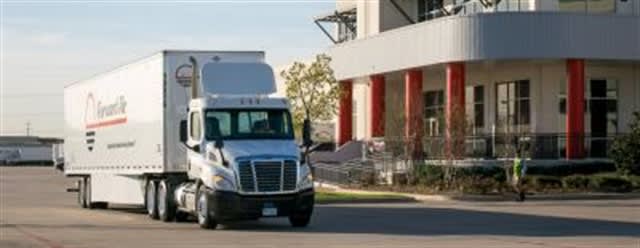
Photo: Forward Air
Yet another indicator of the upswing in trucking mergers and acquisitions is word that Forward Air Corporation has announced its wholly owned subsidiary, Central States Trucking Co., will buy substantially all of the assets of Atlantic Trucking Co., a Charleston, S.C.-based privately held provider of intermodal and drayage services.
The purchase is consistent with Greeneville, TN-based Forward Air’s strategy over the past several years to expand its intermodal holdings via acquisition.
Stifel analysts termed the deal “a bolt-on acquisition,” as Atlantic's service area “basically plugs a Southeastern hole in CST's drayage footprint.”
The transaction is expected to close by the end of Q2. No terms were disclosed, but Stifel estimated the price was in the $25 million range, or five times Atlantic’s $5.1 million EBITDA figure for last year. During calendar year 2016, Atlantic generated approximately $62.3 million in revenue.
The deal includes the assets of Atlantic Trucking Co. along with those of Heavy Duty Equipment Leasing LLC, Atlantic Logistics LLC, and Transportation Holdings Inc.
“We are pleased to add Atlantic to our Intermodal segment,” said Matthew Jewell, president of Logistics Services at Forward Air. “Atlantic has the management talent, fleet size, customer base, geographic footprint and quality of operations that we have been looking for to serve as our Southeast beachhead, and to complement our Midwest legacy locations.”
M&A activity in the trucking space has picked up of late, most notably reflected in the mega-deal announced ealrier this week to bring Knight and Swift together.
More Fleet Management

Kodiak Lines Up Fleets for Driverless Trucking
An agreement for 75 trucks, a new Texas freight lane, and progress on safety validation move Kodiak closer to its planned driverless highway launch.
Read More →
ITS Logistics Settles Religious Harassment Case
The Nevada-based logistics firm agreed to pay more than $396,000 to settle a religious harassment charge involving an employee's Jewish identity.
Read More →
Your Trucks Are Busy. That Doesn’t Mean They’re Winning.
High utilization doesn’t always mean strong margins. Looking beyond the current load can help fleets make better dispatch decisions and get more value from each truck’s time.
Read More →
Why This Trucking Recovery Is Different
Freight demand remains sluggish, but rising costs and tougher enforcement have taken enough capacity out of the market to change the outlook for motor carriers.
Read More →
Platform Science Adds Dispatch and Safety Tools
Four additions to PS Fleet help fleets monitor loads, manage driver coaching, share truck locations and adjust video system settings.
Read More →
PrePass Intelligence Mines Fleet Bypass, Toll and Safety Data
PrePass Intelligence helps fleets measure bypass savings, flag potential toll overcharges, and spot suspicious transactions by combining data from separate systems.
Read More →
Motive Adds AI Agents for Fleet Operations
New tools automate follow-up on fleet data, from maintenance work orders to driver alerts, with two-way voice conversations planned for later this year.
Read More →
Can You Beat Our Trucking Trivia Challenge?
Test your truck knowledge with 19 trivia questions from Heavy Duty Trucking Exchange. Can you keep up with the fleet pros?
Read More →
BeyondTrucks Adds Rules Checks to Dispatch
New Compatibility Engine checks driver qualifications, equipment requirements and fleet policies before loads are dispatched.
Read More →
Diesel Prices Hijack Trucking’s Worry List
ATRI’s annual survey finds cautious optimism about freight, but diesel costs, litigation, and insurance continue to squeeze fleets. Drivers have different priorities on several issues.
Read More →