





“10 mpg will become the new normal" for diesel-fueled highway tractors.
Plotting the Path from Diesel to Electric Trucks
Alternative fuels and propulsion systems offer a compelling array of environmentally friendly powertrain options to consider, but it’s still too soon to write off diesel as trucking’s juice of choice, said the Green Truck Summit's keynote speaker.
March 15, 2017

DTNA's Achenbach keynoting the Green Truck Summit Photo: David Cullen
3 min to read

INDIANAPOLIS -- Alternative fuels and propulsion systems offer a compelling array of environmentally friendly powertrain options to consider, but it’s still too soon to write off diesel as trucking’s juice of choice.
Rather, according to Daimler Truck North America’s Wilfried Achenbach, fleets will keep benefiting from increasingly more fuel-efficient diesel trucks as the path to deploying far greener electric-drive trucks in North America is worked out in the years ahead.
“It doesn’t make any sense to go [directly] to electricity,” Achenbach, DTNA’s senior vice president of engineering and technology, explained in his keynote address to the Green Truck Summit held here March 14 ahead of the NTEA Work Truck Show.
“Many people investigate what can be done and what is reasonable. But there is no simple answer. And do not discount diesel.” Indeed, Altenbach almost casually predicted that soon “10 mpg will become the new normal" for diesel-fueled highway tractors.
Still, Achenbach said the industry will have to move away from diesel if it is ever to meet tightening limits for greenhouse-gas tailpipe emissions. Referencing the watershed Paris Agreement 2016 to cut greenhouse gas emissions globally, he said OEMs have “to put on the brakes if we continue burning diesel as we do today. [If not] we will not be able to live up to those limits.”
Diesel technology has been refined enough over the last 30 years to drastically slash both emissions of particulate matter and NOx, but still to be cut further are CO2 emissions. Achenbach pointed out that trucks still produce 6% percent of CO2 emissions in the U.S. — and 75% of those emissions are generated by long-haul Class 8 trucks.
To bring that down, U.S. Phase 2 GHG rules mandate a 25% fuel-efficiency gain for tractor-trailers by 2027. Achenbach said the upshot will be efficiency that pushes beyond 10 mpg for production combination vehicles. He said getting there will take more than the engine improvements. OEMs will be looking at everything from even more slippery aerodynamics to further reducing parasitic losses and improving rolling resistance.
While he explained that electric-drive — “eDrive,” to use his abbreviation — trucks in general will have the capability to deliver on GHG rules, a distinction must be made between emissions measured at the tailpipe and fuel efficiency recorded on the road vs. energy use and emissions generated starting back at the primary energy source tapped to supply the electricity.
According to the Argonne National Laboratory, a “well to wheel (WTW) analysis can help researchers better understand the impact of the upstream mix of electricity generation technologies for PHEV recharging, as well as the powertrain technology and fuel sources for PHEVs.” In other words, an electric truck may not necessarily leave an acceptable carbon footprint on the road — or in the air.
“Electricity is not free environmentally. Not as it is today” in the U.S., explained Achenbach. He pointed out that 39% of the electricity generated here comes from burning coal and 28% from natural gas — by contrast, various greener sources (including hydropower, geothermal generation, and solar and wind power) contribute minuscule amounts.
That picture is different in other countries, though. He pointed out, for example, that in Germany, fully 30% of electricity is produced from wind and solar power — making the view of electric-drive trucks vastly greener in a WTW analysis.
“This is a very important part of the story,” Achenbach advised. “To look at it well to wheel, you must look beyond the vehicle. You must include the energy required for extracting and transmitting/distributing the fuel,” not just the energy consumed by powering the truck.“
The battery — its cost — is the key element for eDrive trucks along with the battery’s energy density, he said. “The cost must go down and the density go up” for there to be wide market acceptance of electric trucks.
“There is no simple answer,” Achenbach added. “The eDrive truck makes sense, but it will require major investments and commitments” to succeed in a given market.
More Fleet Management
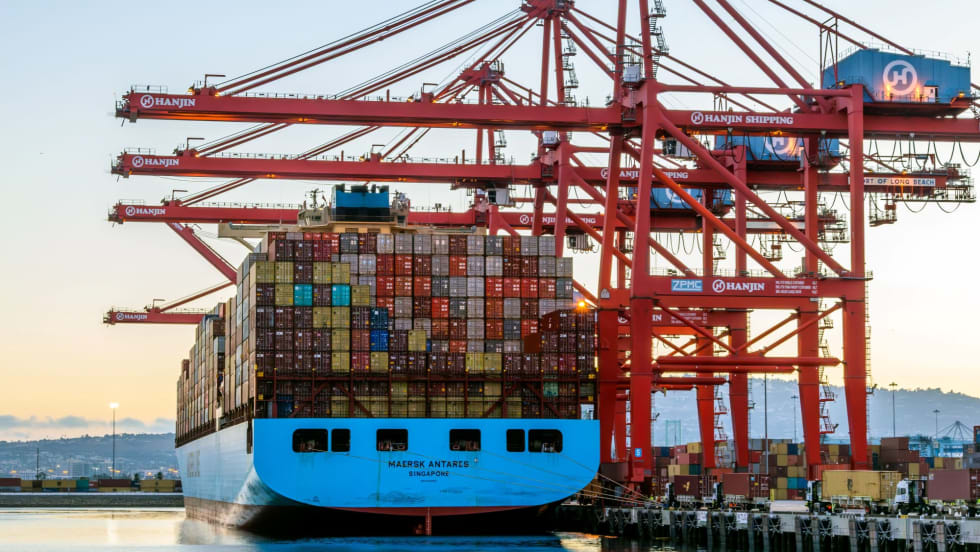
July Imports Poised to Set Container Record
The National Retail Federation projects July container imports will surpass the pandemic-era record as shippers frontload freight ahead of expected August tariff increases.
Read More →
HDT Announces 2026 Truck Fleet Innovator Finalists
From AI and fleet electrification to safety, operations, and leadership, these HDT Truck Fleet Innovator finalists are changing how trucking gets done.
Read More →
Van Spot Rates Top Contract Rates for First Time Since 2022
There’s more good economic news for the North American trucking industry according to the latest Truckload Volume Index report from DAT.
Read More →
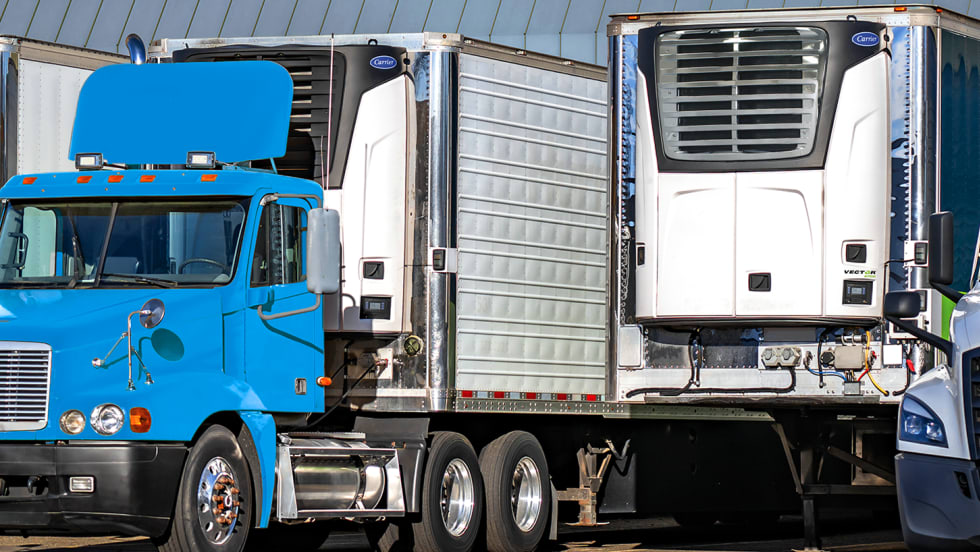
Carrier Transicold Extends Refrigerated Trailer Life
Fleet Refresh enables refrigerated fleets to replace aging transport refrigeration units instead of entire trailers, while adding Lynx Fleet telematics and BluEdge service coverage.
Read More →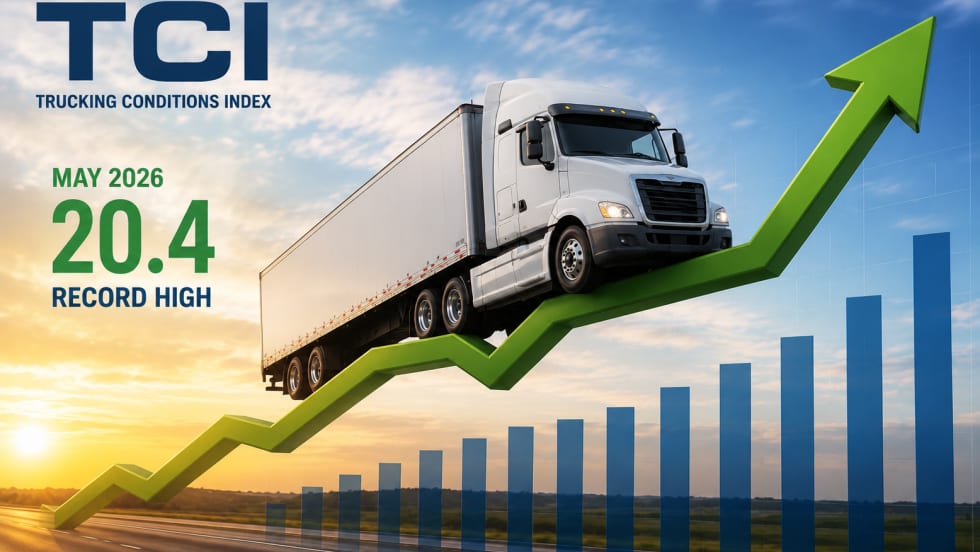
FTR Says Freight Rates Surged in May
FTR's Trucking Conditions Index surged to a record high in May, the analytics firm reports.
Read More →
Meet HDT's Truck Fleet Innovators at Heavy Duty Trucking Exchange
Heavy Duty Trucking Exchange brings fleet managers and suppliers together for the deeper conversations that lead to ideas, partnerships, and solutions. Time is running out to apply for HDTX, September 23-25.
Read More →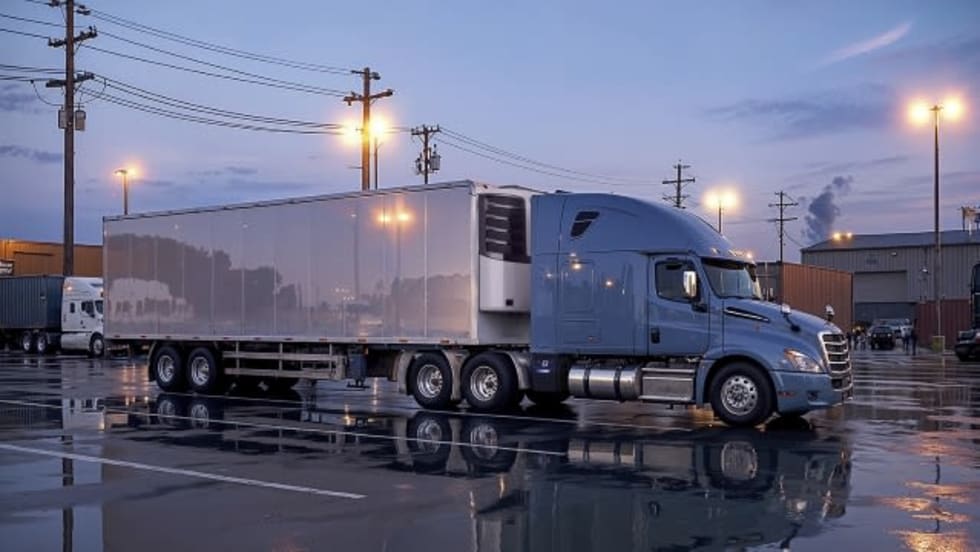
Sponsored•July 1, 2026
Enhance Fleet Performance with High-Efficiency Auxiliary Power Units
Drive sustainable cost savings while increasing driver comfort during short- and long-haul logistics operations.
Read More →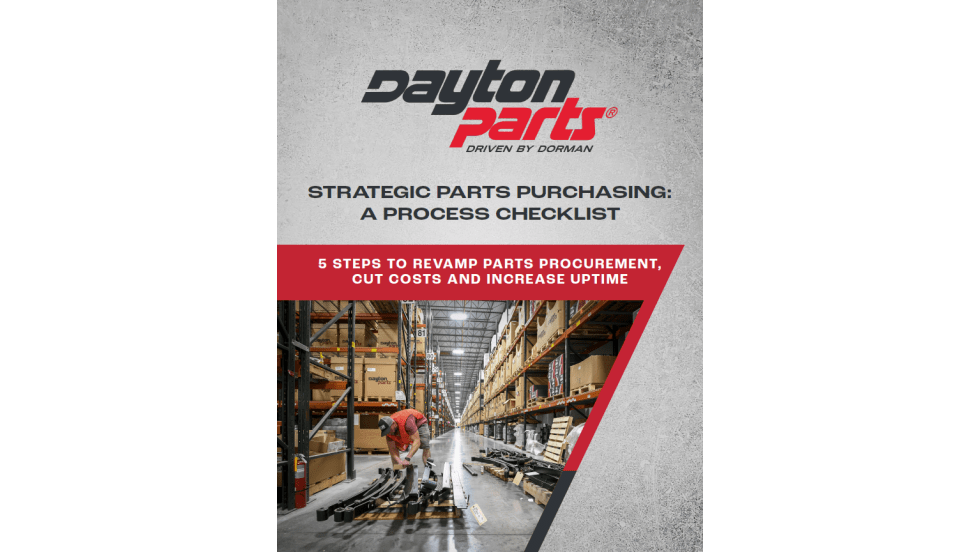
Sponsored•June 30, 2026
Is Your Parts Procurement Process Reactive or Proactive?
Ready to revamp your parts procurement process? Learn how now with “Strategic Parts Purchasing: A Process Checklist”
Read More →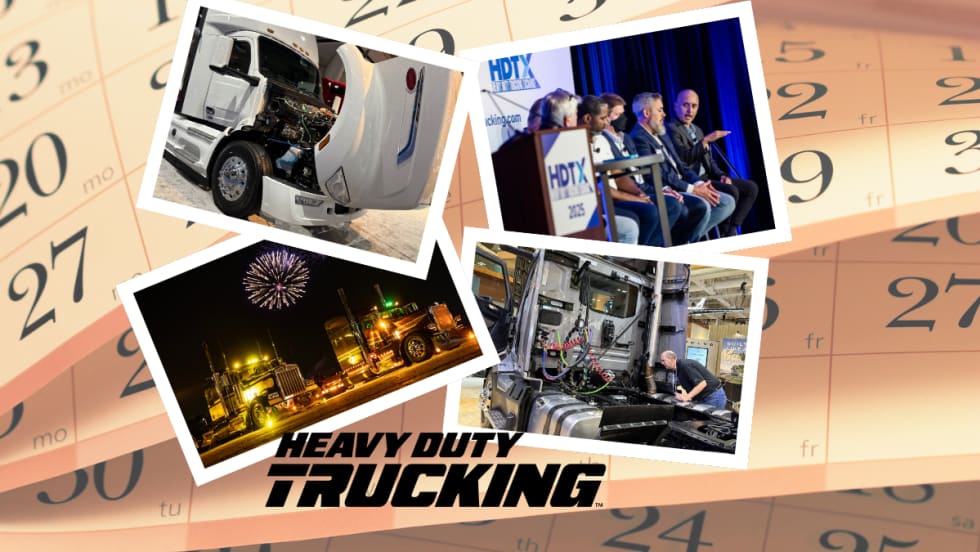
What Trucking Events are Happening in 2026?
Looking for trucking-related conventions, expos, and other events? Heavy Duty Trucking has developed this list of national and larger regional trucking shows and events.
Read More →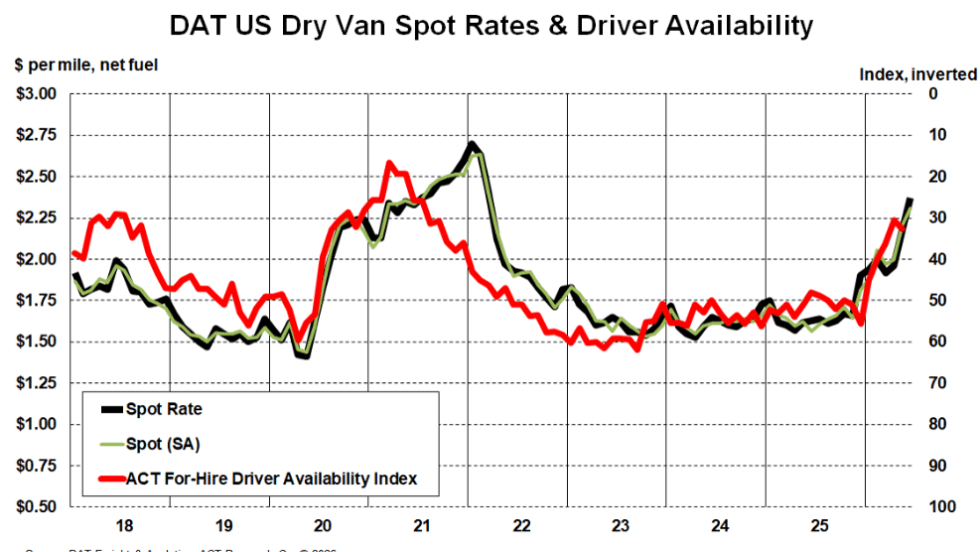
Truckload Rates Keep Rising as Tight Capacity Fuels Freight Market Recovery
Spot and contract rates continued climbing in May and June, not because freight demand is surging, but because fewer trucks and drivers are available.
Read More →