




Intelligent Transpo Roadmap Stresses Long-Term Thinking on Funding
Among the numerous recommendations laid out in a public-policy roadmap issued on Feb. 8 by the Intelligent Transportation Society of America, is a call to a potentially leverage a “tax overhaul” to fund new transportation infrastructure.


Image: U.S. Dept. of Transportation

Among the numerous recommendations laid out in a public-policy roadmap issued on Feb. 8 by the Intelligent Transportation Society of America, is a call to a potentially leverage a “tax overhaul” to fund new transportation infrastructure.
The expansive document covers a range of policy arenas that impact the research and deployment of intelligent transportation— aka “mobility”—technologies. These include everything from robotics and automation to artificial intelligence and cloud computing.
ITS America said the related issues in play include “looking for new and long-term funding and financing options around much needed transportation investment” along with cybersecurity/privacy, easing the transition to automated and connected vehicles, increasing integration of technologies that improve the operational life and efficiency of road networks, and “energizing new business models of passenger and freight mobility.”
Specific to transportation funding, the roadmap seeks to:
Promote Innovative Models in Transportation Funding, Finance, Partnerships and Performance Measures. “Address potential use of a tax overhaul to fund new and long-term transportation infrastructure and systems with a focus on technology-driven mobility investments.”
Increase Overall Investments in Transportation with a Greater Focus on Technology. “Support new and long-term sustainable funding and financing in transportation infrastructure that expand technology-driven mobility investments and preserves the broad ITS eligibilities under the Fixing America’s Surface Transportation Act (FAST Act) to fund technology capital projects and operations and maintenance. Advocate for flexible policies regarding Federal/State/Local matching requirements (e.g., 100% Federal funding upfront for technology-driven mobility infrastructure investments).”
Encourage Federal Funding Flexibility and New Funding Mechanisms. Advocate for flexible policies regarding Federal/State matching requirements (e.g., 100% Federal funding upfront with a back-end match by Locals/State for continuing operations) and other implementation provisions in the FAST Act and any new infrastructure bill related to the deployment of smart technology for communities.”
Identify Innovation Champions at the Local Level and Educate on the Tools for Experimentation. “Encourage communities to allow Chief Technology Officers or other appropriate officials to use ‘Other Transaction Authority,’ pilot programs, and similar programs to bypass onerous, time-consuming procurement procedures. Encourage the FHWA to enable better flexibility in the States by using performance level conditions measures instead of the traditional measures. Examine Federal restrictions on sole sourcing. Study means to add flexibility to communities (e.g. States, Cities, MPOs, etc.).”
Support Proposals that Integrate Federal “Smart Communities” Programs and Provide Resources Where Appropriate. “Support legislative efforts that would improve coordination of ‘smart community’ programs across the Federal government. Provide State and Local governments with technical assistance and resources to help foster the deployment of smart community technologies. Support STEM education and training required for the development and operation of smart communities. Support the necessary R&D to enhance the functionality—including cybersecurity and privacy protections—of smart community technologies.”
“This roadmap provides Federal, State, and Local policymakers with the tools to capitalize on this innovation— from automated vehicles to highways and traffic lights that communicate in real time with drivers on the road,” said ITS America President and CEO Regina Hopper. “Now is the time to jumpstart the economy and save thousands of lives per year.”
ITS America stated that in the year ahead, it will “urge President Trump and Congress to build out transportation infrastructure by including roadmap recommendations in upcoming infrastructure proposals.”
"It's time for Congress and the Administration to work together to facilitate the implementation of modern, innovation-driven transportation policies that will result in safer, more reliable and efficient mobility, helping to save lives across the country,” noted Jill Ingrassia, immediate past chairman of ITS America and managing director of Government Relations and Traffic Safety Advocacy at AAA.
More Fleet Management
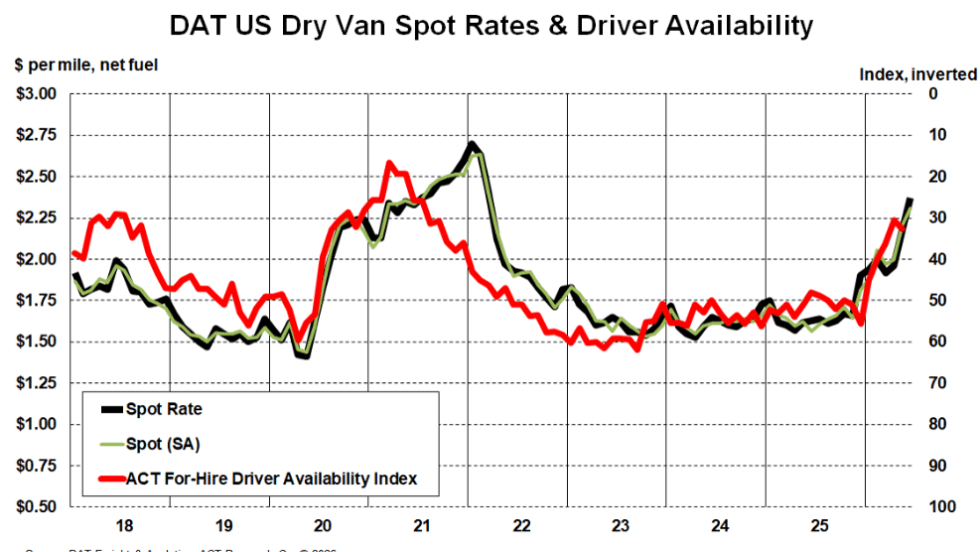
Truckload Rates Keep Rising as Tight Capacity Fuels Freight Market Recovery
Spot and contract rates continued climbing in May and June, not because freight demand is surging, but because fewer trucks and drivers are available.
Read More →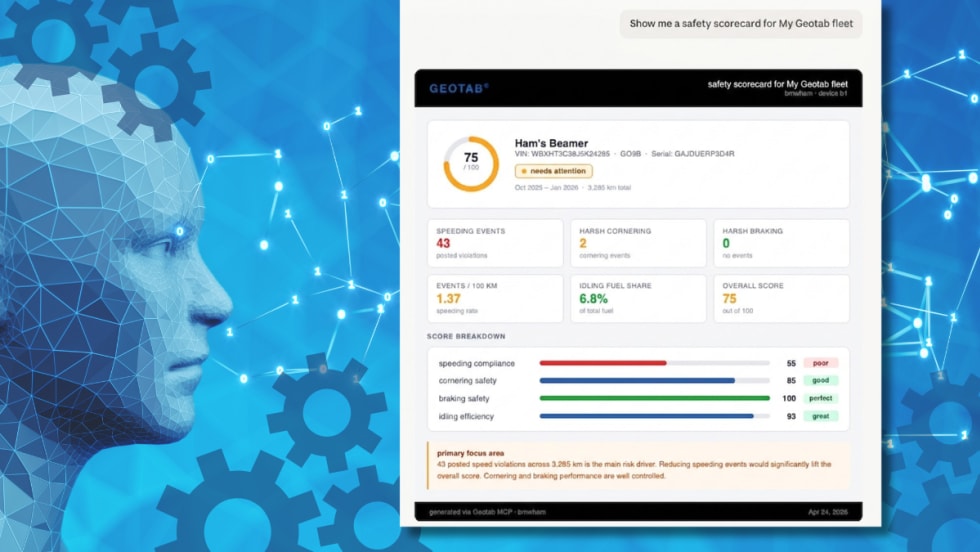
What Geotab's New AI Connector Means for Fleets
Fleets can now ask their usual AI assistants questions about maintenance, safety, fuel use, and vehicle performance, using their live Geotab data, and take action on the answers without leaving their preferred AI tool.
Read More →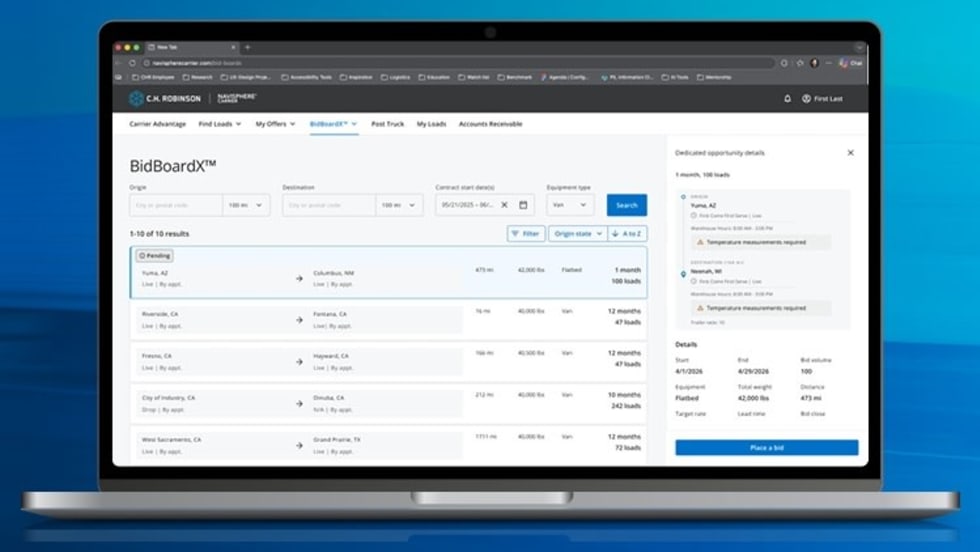
New C.H. Robinson Tool Opens Door to More Predictable Freight
BidBoardX lets carriers search, bid on, and secure committed freight opportunities through a single digital marketplace.
Read More →

New York City's Microhub Project is Delivering Results
Trucking, last-mile delivery companies, and environmental advocates like what they are seeing so far with New York's microhub program.
Read More →
Why Truck Detention Keeps Costing Fleets Time and Money
A 2024 ATRI study found detention affects nearly 40% of truckload stops and costs the industry more than $15 billion annually. Despite the toll on drivers, fleets, and supply chains, the problem remains stubbornly persistent.
Read More →
Time is Running Out to Apply for Exclusive HDT Event
Heavy Duty Trucking Exchange brings fleet managers and suppliers together for the deeper conversations that lead to ideas, partnerships, and solutions. Time is running out to apply for the September event.
Read More →
Amazon Launches Less-Than-Truckload Freight Offering for All Businesses
This launch is the latest addition to Amazon Supply Chain Services, a portfolio of supply chain capabilities from Amazon, including freight, distribution, fulfillment, and parcel shipping.
Read More →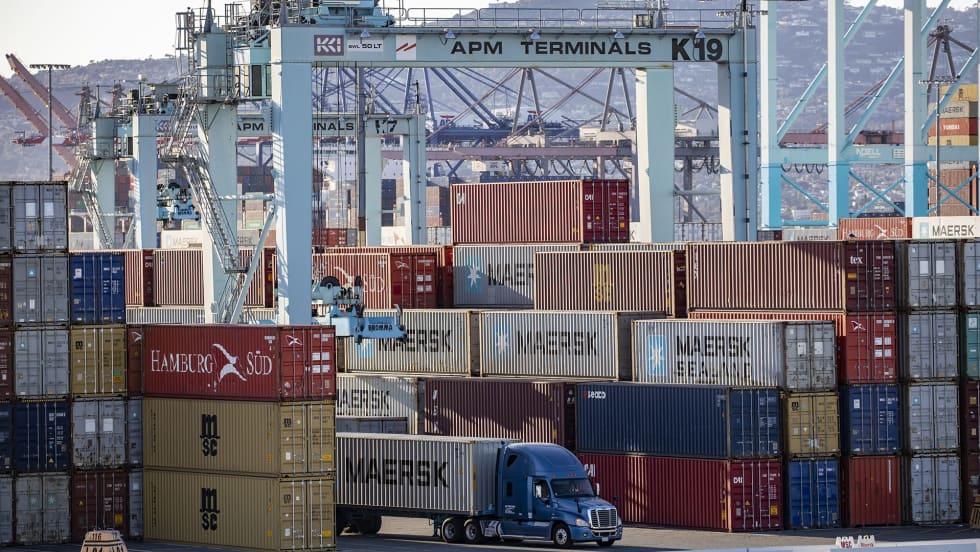
Import Cargo Volume to See Year-Over-Year Gain Again in June, Then Remain Below 2025 Levels Into Fall
After July, the report predicts a weakening in import volume as consumer uncertainty remains high and the impact of increasing inflation takes its toll.
Read More →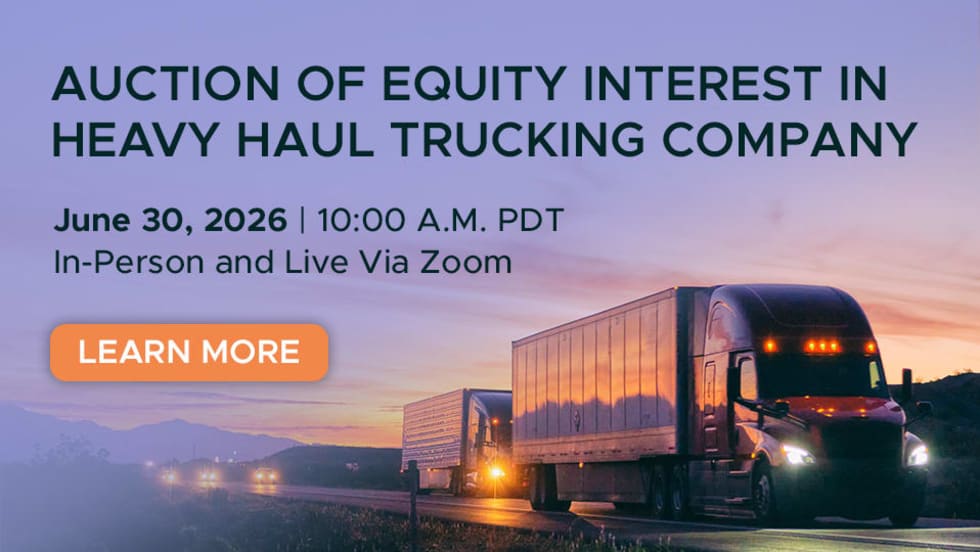
AUCTION OF EQUITY INTEREST IN HEAVY HAUL TRUCKING COMPANY!!
Mark your calendar: June 30, 2026 (10:00 a.m. PDT). A 37.5% ownership interest in MagnaTrans, LLC, a California limited liability company doing business as Magna Transportation Group, will be sold in an in-person and online auction to the highest bidder or bidders under Article 9 of the Uniform Commercial Code. The Rancho Cucamonga-based heavy haul and over-dimensional trucking company operates across California, Oregon, and Arizona.
Read More →
Volvo Trucks Adds Unattended Over-the-Air Software Update Capabilities
The latest evolution of Volvo’s over-the-air update technology allows software updates to run while trucks are parked, helping fleets keep vehicles current without disrupting operations.
Read More →