




Earnings Watch: YRC Trims Quarterly Loss, USA Truck Moves Into Red
The parent of less-than-truckload carrier YRC Freight and others managed to reduce its losses in the final quarter of 2016 while a truckload carrier reported a loss for both the final three months of last year and all of 2016.


The parent of less-than-truckload carrier YRC Freight and others managed to reduce its losses in the final quarter of 2016 while a truckload carrier reported a loss for both the final three months of last year and all of 2016.
YRC Worldwide Inc. reported a net loss of $7.5 million, or 23 cents per share, compared to a net loss of $23.5 million, or 73 cents per share a year earlier. Revenue was nearly the same during the two periods at $1.14 billion.
Operating income for the final quarter totaled $14.9 million compared to an operating loss of $15.3 million in the final three months of 2015, which included a $28.7 million non-union pension settlement charge.
“In the fourth quarter 2016, year-over-year tonnage per day was up at YRC Freight and flat at the regional segment,” said James Welch, CEO. “However, YRC Freight’s year-over-year revenue per hundredweight declined, which impacted its ability to offset cost increases during the quarter.”
The company’s results in 2016 from the year before were better with net income of $21.5 million, or 65 cents per share, versus a 2015 net loss of $700,000, or 2 cents per share. Revenue last year slipped to $4.7 billion from $4.83 billion a year earlier.
In contrast, 2016 operating income improved to $124.3 million from $93 million a year earlier, which the company said was the highest since 2006.
Last year, YRC said it invested $253 million in its business, mainly in the form of tractors, trailer and technology-- nearly $13.4 million more than it did in 2015. The company said during the quarter it also paid down its long-term debt to its lowest level since 2005.
The company’s nationwide service, YRC Freight, barely reported an operating loss while its operating ratio fell from 102.9% a year earlier to 100% in the most recent quarter while it improved to 98%.2 for all of 2016. Its operating income also improved, hitting $53.2 billion versus $18 million last year.
YRC Freight’s quarterly shipments fell just 0.1% in the final quarter but were down a full 3% for all of last year.
At YRC's regional carriers, operating income improved 72.2% to $16.4 million in the final quarter of 2016 as its operating ratio also moved lower to 96.1% while moving slightly higher for all of 2016.
USA Truck Reports Nearly $4-Million Quarterly Loss
Meantime at USA Truck Inc. the company reported a fourth-quarter loss of $3.8 million, or 48 cents per share, compared to net income a year earlier of $3.9 million, or 39 cents per share. This happened as revenue slipped to $103.1 million from $118 million.
For all of 2016, USA Truck reported a net loss of $7.7 million, or 90 cents per share, compared to net income of $11.1 million, or $1.06 per share in 2015. Its 2016 revenue declined to $429.1 million from $507.9 million the year before.
“Our consolidated financial performance was unacceptable,” said James Reed, president and CEO. “Of the $11.9-million decrease in operating income, the largest components were an approximately 9.2% decrease in base revenue per loaded mile and fewer miles related to a reduced truck count, while lower fixed cost coverage and year-over-year claims expense also weighed on results.”
He said the company has implemented a series of actions to reduce unseated trucks and continues to add independent contractors to its fleet.
“We remain focused on taking costs out of the business, having taken actions in the second half of 2016 expected to save $1.6 million annually, in addition to headcount reductions taken in January 2017 expected to save $800,000 annually,” Reed said.
USA’s trucking operation reported an operating loss of $6.2 million in the fourth quarter of 2016 versus an operating profit of $4.5 million a year earlier.
“It is imperative we improve our freight mix to replace the rate per mile lost during 2016," said Martin Tewari, president of USA’s trucking segment. "We are encouraged by pricing trends for 2017 based on recent contract renewals, the reduction in new truck builds in 2016, and the regulatory changes in 2017 that we expect to constrain industry-wide capacity.
"We expect to realize price upside related to recent awards by mid-February 2017 and are aggressively looking to upgrade our freight mix in the current bid season," he continued. "We expect this price lift will allow us to increase our base revenue per seated tractor per week by approximately 3% to 5% over the 2016 full year average.”
USA Truck’s logistics segment saw its operating income fall to $1.5 million in the fourth quarter of 2016 from $2.7 million a year earlier.
“Operating income was again impacted by lower revenue per shipment driven by changing freight mix while margin levels remained relatively flat,” said Jim Craig, executive vice president, chief commercial officer and president of USAT Logistics. “Revenue improved as the fourth quarter progressed with October demand falling short of expectations, while November and December both showed improving load, revenue and margin performance. Net revenues and gross margin percentage exceeded internal expectations in both November and December of 2016.”
More Fleet Management

Trimble’s New AI Agent Takes Aim at Fleet Back-Office Busywork
Arc Agent works across Trimble TMS products to automate repetitive tasks such as freight orders, maintenance, invoices, fuel costs and more.
Read More →
How HDT’s 2026 Truck Fleet Innovators Are Rethinking Fleet Operations
Meet five trucking leaders who are challenging assumptions, solving operational problems, and putting innovative ideas to work.
Read More →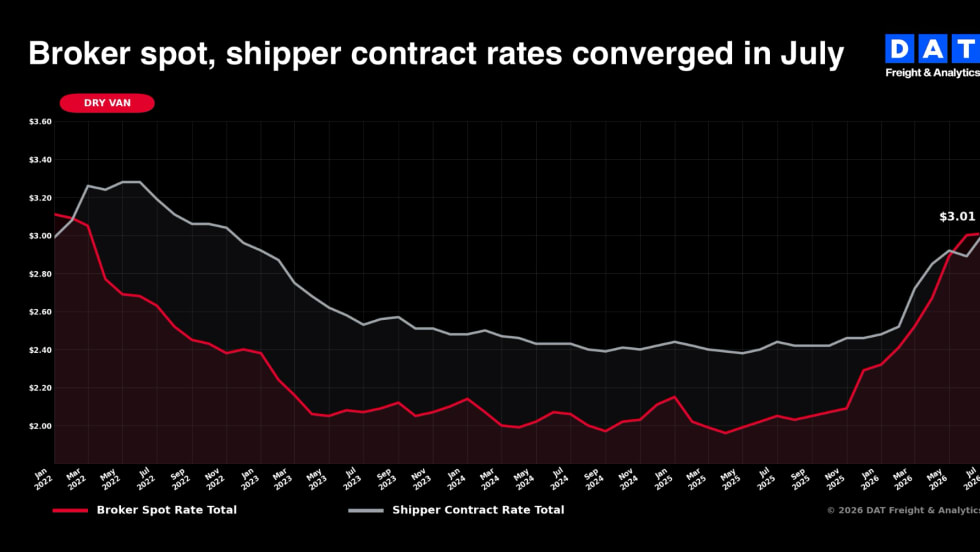
Tight Trucking Capacity Pushes Rates Higher Even as Freight Volumes Fall
“Spot rates moving ahead of contract rates have historically signaled a tightening market, but we haven’t seen a capacity-driven market quite like this one,” said DAT's Dean Croke.
Read More →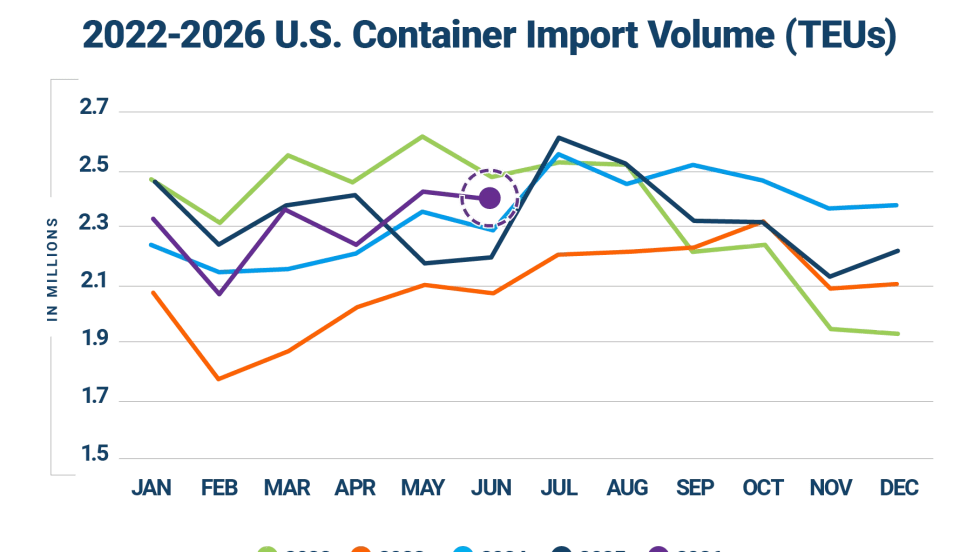
Import Cargo’s Early Peak Season is Winding Down
There was an early start to peak season this year at the nation's gateway ports, as retailers brought in merchandise ahead of tariff changes in late July and responded to other supply chain uncertainties,
Read More →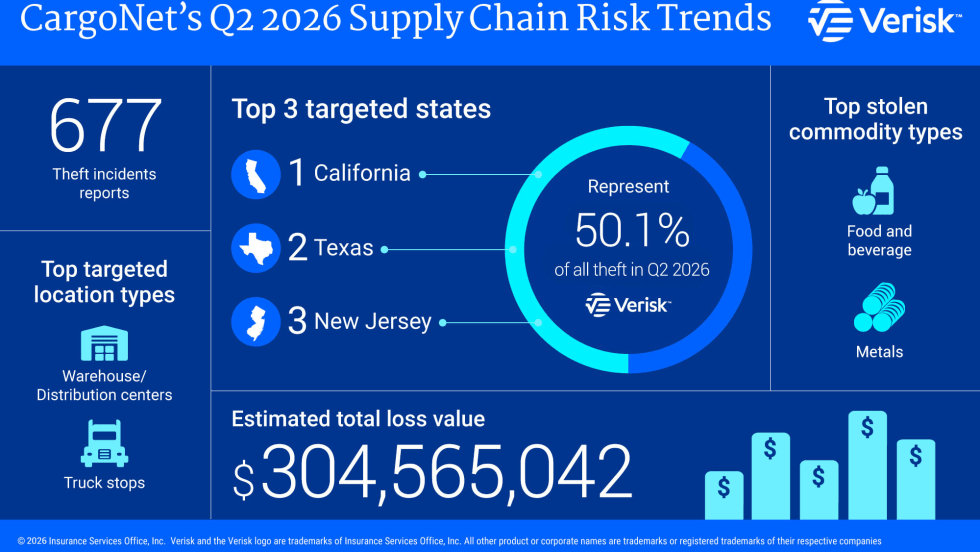
Fewer Cargo Thefts, Bigger Losses: Criminals Target Higher-Value Loads
CargoNet says organized theft rings are stealing fewer shipments but choosing more valuable freight, including metals and technology, resulting in record losses.
Read More →
How Innovative Trucking Leaders Turn Change Into an Advantage
As the pace of change accelerates in trucking, the fleets that adapt best have more than the latest technology. They have cultures that embrace improvement.
Read More →
Freight Broker Bonds Just Got Harder to Get. Here's What That Means for Your Fleet.
When it gets harder for a freight broker to prove they are financially sound, the ones who cannot clear that bar get pushed out of the market. And those are exactly the brokers who used to leave motor carriers holding the bag.
Read More →
Long-Awaited Canadian Border Bridge to Open in Detroit
For trucking, the bridge opening should offer immediate improvements in efficiency and reliability, with new customs facilities, expanded inspection capacity, and direct freeway-to-freeway connections.
Read More →
Aurora Rolls Out Next Generation of Driverless Trucks for Commercial Freight
Aurora's latest autonomous trucks it's rolling out with International feature lower-cost hardware designed for a million miles as the company expands commercial driverless freight operations across the U.S. Sun Belt.
Read More →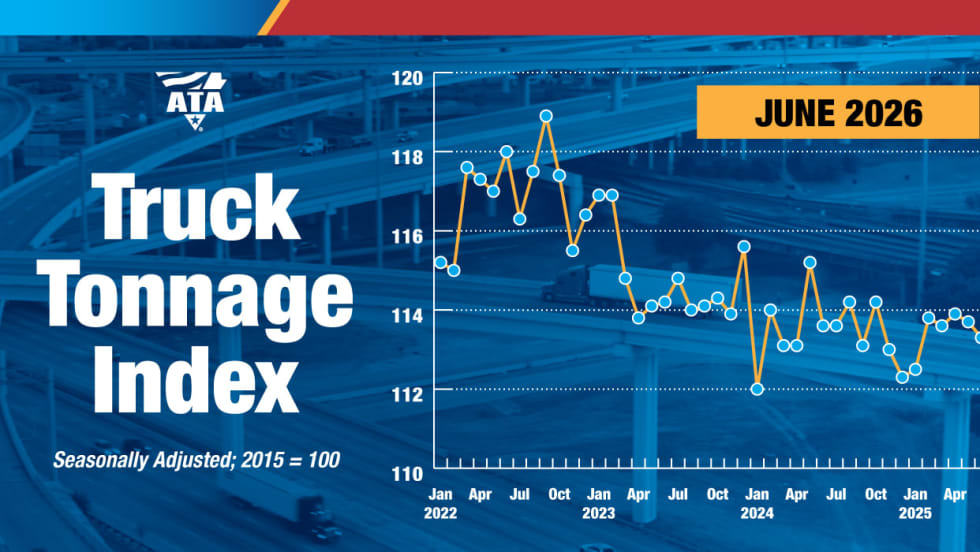
Freight Tonnage Down, Rates up, as Lower Capacity Powers Trucking Recovery
The recovery from the freight recession continues to be driven by reduction in capacity rather than by increased demand.
Read More →