




Over-Height Detection System Installed in NYC
The installation of a $4.8 million over-height vehicle detection system has been completed on two New York City parkways to prevent large trucks from hitting low-clearance bridges.
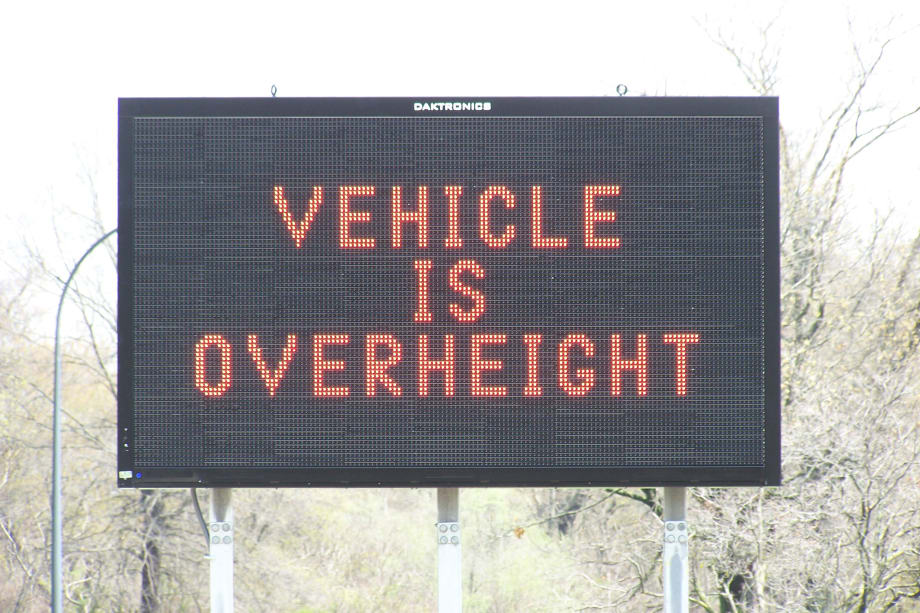
Photo: NY.gov
Photo: NY.gov
The installation of a $4.8 million over-height vehicle detection system has been completed on two New York City parkways, N.Y. Gov. Andrew Cuomo announced.
Using infrared to identify and alert over-height vehicles illegally using the Hutchinson River Parkway in the Bronx and the Grand Central Parkway in Queens, the system can prevent vehicles from striking low-clearance bridges.
The system was installed at four locations on the Hutchinson River Parkway and one on the Grand Central Parkway.
"This groundbreaking technology will improve traffic safety, enhance mobility, prevent delays and protect our highway infrastructure," said Gov. Cuomo. "These roadways are key parts of New York City’s transportation system and these improvements will make them for more convenient, reliable and safer for all."
The city bans large commercial vehicles from driving on parkways in New York City. The parkways were built in the 1930s and 1940s and were designed for automobiles of the era with bridge clearances as low as seven feet.
The detection systems were developed by the N.Y. Department of Transportation and are part of the state’s effort to keep commercial vehicles off parkways and improve roadway safety. Using infrared beams, the system identifies over-height vehicles and captures its movements on video. The system then posts an alert message for the driver on an electronic message sign, enabling the driver to leave the highway before coming to a bridge.
The data and video are also sent to the Department of Transportation’s Joint Traffic Management Center so that police can assist in getting a truck safely off the roadway, or mobilize quickly if an accident occurs.
“The damage from over-height vehicles striking our bridges is not only accidents and traffic delays, but repair costs for the State of New York,” said Jeff Klein, a N.Y. state senator. “These detectors will keep our bridges and roads safer and keep traffic moving, all the while ensuring that our infrastructure is structurally sound.”
More Fleet Management

Why Private Fleets Are Taking More Freight
Private fleets are putting their own trucks on demanding customers and high-cost lanes as companies seek greater control over service, costs, and capacity.
Read More →
Color Match Smarter: Tools That Restore & Perform
For fleet managers and collision repair professionals keeping heavy-duty trucks on the road, getting the color right the first time isn't just about appearance — it's about efficiency, turnaround time, and bottom-line results. Discover how today's digital color tools are transforming the repair process from guesswork to precision.
Read More →
FMCSA Pauses Biennial-Update Enforcement Amid Motus Transition
Carriers whose updates were due on or after June 1 have more time, while FMCSA works to stabilize its new registration system and warns of phishing sites impersonating its new carrier registration system, Motus.
Read More →


2026 Blueprint for Countering Smarter Supply Chain Theft
Cargo theft is no longer just the cost of doing business. It's a multi-billion-dollar criminal enterprise exploiting vulnerabilities across your fleet, drivers, and supply chain.
Read More →
How Telematics Improves Visibility, Control, and Performance in Refrigerated Fleets
Explore how telematics help refrigerated fleets improve visibility, uptime, efficiency, compliance, and cargo protection across connected cold chain operations.
Read More →
What the U.S.-Canada Trade War Means for Trucking
Escalating U.S.-Canada tariffs could disrupt cross-border freight, reduce truck volumes, raise costs, and create new uncertainty for carriers on both sides of the border.
Read More →
What Are Trucking’s Top Concerns for 2026?
The American Transportation Research Institute wants to know what's worrying trucking fleet managers, drivers, and other stakeholders in its annual Industry Issues survey.
Read More →
American Trucking Associations Looks for a New Leader
ATA President and CEO Chris Spear abruptly left his job at the association on August 21, at a pivotal time for the trucking industry.
Read More →
Public Wi-Fi Cybersecurity Risks: How Truck Drivers and Fleets Can Protect Their Data
Public Wi-Fi can expose truck drivers and fleets to credential theft, malware, and other cyber threats. Here’s how to reduce the risk on the road.
Read More →
For Nicky Cupp, Fleet Innovation Starts With Frustration
HDT Truck Fleet Innovator Nicky Cupp turns everyday pain points at Fraley & Schilling into opportunities for better technology and smarter processes.
Read More →