




FTR: Trump Impact Minimal in Short Term
Economists with freight transportation forecasting firm FTR are convinced that the election of Donald Trump will not much move any economic needles much for at least six months. Not because the 45th President of the United States won’t accomplish anything right away, but because the wheels of government don’t spin any faster for a new Administration.

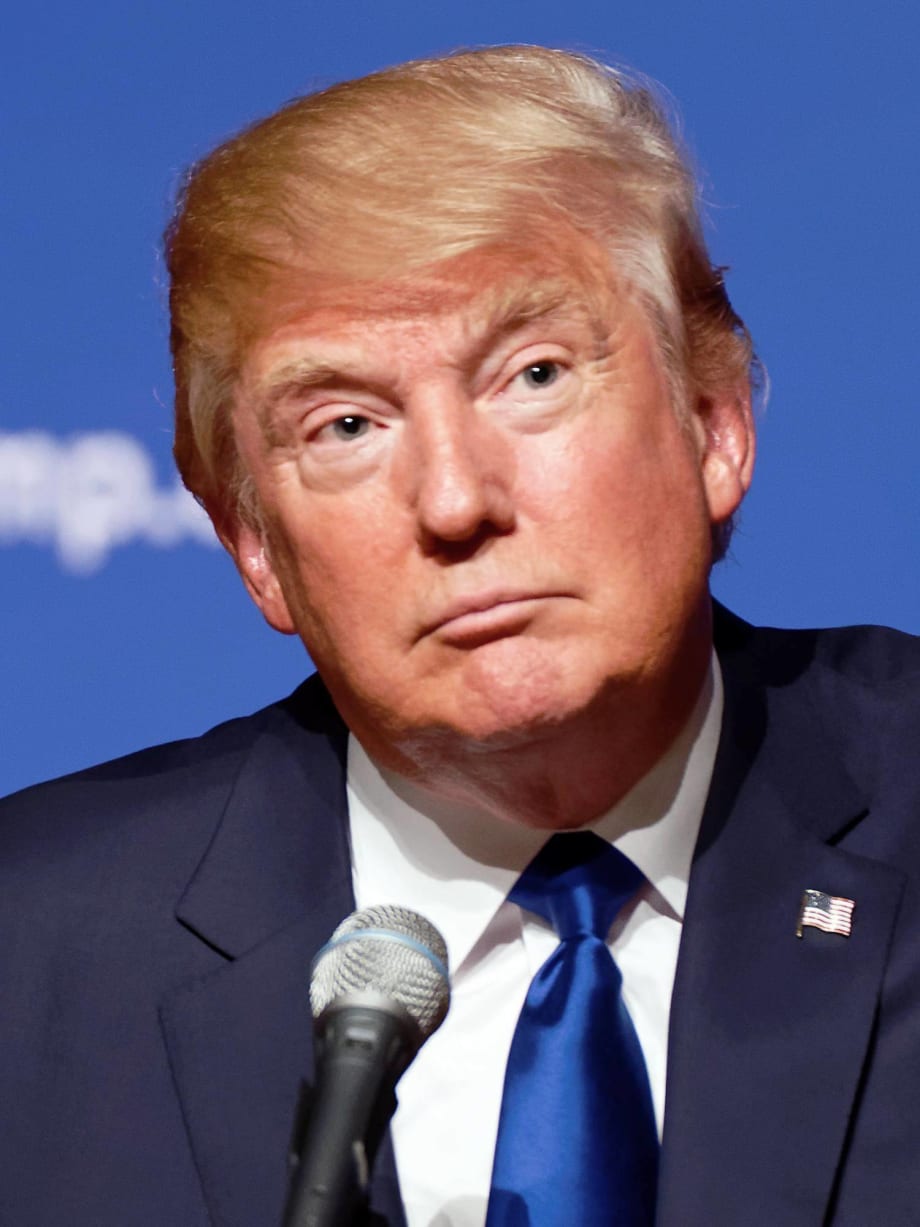
President-elect Donald Trump Photo via Wikimedia Commons
.jpg)
President-elect Donald Trump Photo via Wikimedia Commons
Economists with freight transportation forecasting firm FTR are convinced that the election of Donald Trump will not much move any economic needles much for at least six months. Not because the 45th President of the United States won’t accomplish anything right away, but because the wheels of government don’t spin any faster for a new Administration.
“There will be little near-term change in FTR’s outlook for the U.S. economy, as budgets are set and policies are intact until late 2017,” pointed out Noël Perry, transportation economist at FTR, in a post-election commentary piece. “There is the possibility of additional caution by consumers and businesses until the new administration sets policies.” He noted as well that any policy change typically takes a year or longer to fully implement.
FTR sees President-elect Trump focusing first on pushing through a significant tax cut, repealing and replacing the Affordable Care Act and filling the Supreme Court vacancy. “Each of those issues are big enough to occupy the majority of legislative time.” Trump no doubt will also assess the trade agreements he faulted so heavily during his campaign. But given that a trade with any of our major partners would not benefit them or the American consumer, such talk augurs for “more smoke and mirrors than substance.”
Trump’s impact will likely be felt more substantially and sooner on regulations and enforcement. According to FTR Partner and Senior Consultant Larry Gross, look first for the loosening of environmental controls on coal and oil exploration and piping.
“The coal situation won’t change much due to economic pressure from natural gas, but, for instance, pipelines stalled in the Plains region could get a boost of activity soon," said Gross. "Second will be a reversal of the stiffening of National Labor Relations Board action of many types. The President-elect has plenty of experience with unions and we can assume he will be assertive there. This means less pressure on overtime pay and reclassification of truck drivers. Also, a significant federal minimum wage change is now unlikely, although several states had ballot measures related to higher minimum wages that were successful on Tuesday.”
Gross also pointed out that if implementation of the electronic logging device mandate “gets sticky because of the FMCSA’s slowness in publishing complete technical standards” the new Administration is more likely to postpone the December 2017 deadline. “That said, trucking regulation will not be a priority. Still, the coming wave may be reduced and occur later.”
During a Nov. 10 webinar held to provide a post-mortem on the election, FTR economist Bill Witte remarked that Trump’s policies may not sail through Congress. He said that on the one hand, the political situation now “raises the possibility of positive developments for the country,” especially an infrastructure deal being struck between legislators and the new President. “Both sides have talked about this during the campaign, so it is politically feasible.” Witte said that tax reform will also be possible, but noted that the “progressive side of the Senate has been strengthened and this won’t go over well with them.”
On the other hand, Witte said the downside political risk rests on how well Trump will work with GOP leaders on Capitol Hill. “Political deadlock could continue,” he said. “It could occur between Trump and the Republican Party [in Congress] with House Republicans fracturing or there could be a breakdown of relations between Republicans and Democrats in the Senate.”
More Fleet Management

Color Match Smarter: Tools That Restore & Perform
For fleet managers and collision repair professionals keeping heavy-duty trucks on the road, getting the color right the first time isn't just about appearance — it's about efficiency, turnaround time, and bottom-line results. Discover how today's digital color tools are transforming the repair process from guesswork to precision.
Read More →
FMCSA Pauses Biennial-Update Enforcement Amid Motus Transition
Carriers whose updates were due on or after June 1 have more time, while FMCSA works to stabilize its new registration system and warns of phishing sites impersonating its new carrier registration system, Motus.
Read More →
2026 Blueprint for Countering Smarter Supply Chain Theft
Cargo theft is no longer just the cost of doing business. It's a multi-billion-dollar criminal enterprise exploiting vulnerabilities across your fleet, drivers, and supply chain.
Read More →


How Telematics Improves Visibility, Control, and Performance in Refrigerated Fleets
Explore how telematics help refrigerated fleets improve visibility, uptime, efficiency, compliance, and cargo protection across connected cold chain operations.
Read More →
What the U.S.-Canada Trade War Means for Trucking
Escalating U.S.-Canada tariffs could disrupt cross-border freight, reduce truck volumes, raise costs, and create new uncertainty for carriers on both sides of the border.
Read More →
What Are Trucking’s Top Concerns for 2026?
The American Transportation Research Institute wants to know what's worrying trucking fleet managers, drivers, and other stakeholders in its annual Industry Issues survey.
Read More →
American Trucking Associations Looks for a New Leader
ATA President and CEO Chris Spear abruptly left his job at the association on August 21, at a pivotal time for the trucking industry.
Read More →
Public Wi-Fi Cybersecurity Risks: How Truck Drivers and Fleets Can Protect Their Data
Public Wi-Fi can expose truck drivers and fleets to credential theft, malware, and other cyber threats. Here’s how to reduce the risk on the road.
Read More →
For Nicky Cupp, Fleet Innovation Starts With Frustration
HDT Truck Fleet Innovator Nicky Cupp turns everyday pain points at Fraley & Schilling into opportunities for better technology and smarter processes.
Read More →
Adam Buttgenbach’s Approach to Electric Trucks: Start With Where They Fit
HDT Truck Fleet Innovator Adam Buttgenbach helped PepsiCo build one of North America’s largest EV fleets by focusing on where electric trucks make operational sense.
Read More →