




ATRI Report on Autonomous Vehicles Examines Industry Concerns
Hours of service, CSA scores and the driver shortage are all areas identified as being impacted by autonomous vehicle technology in a new report from the American Transportation Research Institute.
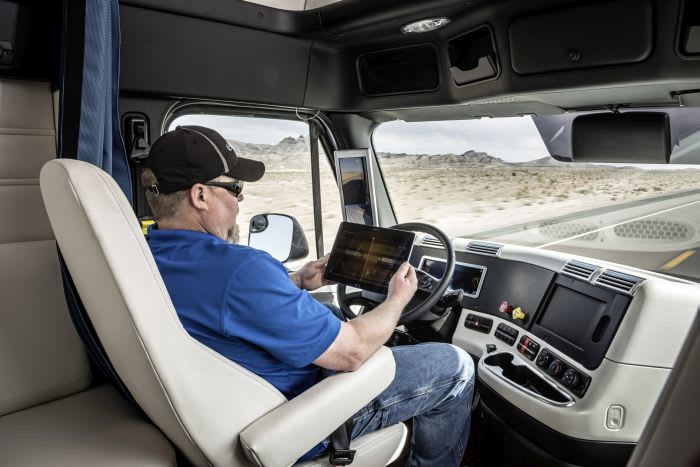
Photo: Daimler Trucks

Hours of service, CSA scores and the driver shortage are all areas identified as being impacted by autonomous vehicle technology in a new report from the American Transportation Research Institute.
Using an earlier survey of carriers, executives, and drivers, ATRI (the research arm of the American Trucking Associations) ranked the top 10 issues concerning autonomous vehicles in the trucking industry. Among the top issues were hours of service; the FMCSA's CSA (Compliance, Safety, Accountability) program; and the driver shortage.
Because HOS regulations by their definition limit productivity in drivers in order to ensure the driver is rested, a fully autonomous vehicle could lead to changes. Automated driving systems could support changes to HOS rules that would account for rest a driver is getting while still in a productive state.
At levels of automation where the vehicle can drive itself, even with required driver supervision, a driver could theoretically rest while on the road. For instance, with rules related to the 14-hour on-duty limit, could a driver technically log off duty while the vehicle is in self-driving mode while on an open road? This scenario could eliminate the need to rest for 10 full hours while stationary, which could increase productivity and quality of life for drivers.
ATRI expects autonomous vehicle technology to have a positive impact on CSA scores. Common violations such as speeding, reckless driving, improper lane change and inattention are all likely to drop for fully autonomous fleets. However, this may raise questions about comparing autonomous and non-autonomous fleets in the same peer group within CSA.
Because of the potential safety benefit, ATRI recommends a BASIC methodology that focuses on raw scores instead of percentile scores.
While there is speculation that fully autonomous vehicles will solve the driver shortage by eliminating the need for a driver, ATRI stresses that in order to completely remove a driver, the truck would have to be fully autonomous and capable of moving to a destination in bad conditions and on all road types, something that is still thought to be a long ways off.
What is more likely to happen is that a driving career will change to relieve some of the stress and monotony of long driving hours, making driving careers more appealing, the research noted. It could also open drivers up to more productivity while on the road, accomplishing logistics tasks while the vehicle is moving. ATRI stressed that even in a highly automated environment, there are still critical freight movement tasks that drivers will be required to do. This ranges from representing a trucking company during interactions with clients, to equipment management, to route management, and meeting regulations.
Among other findings of the report is that autonomous trucks could be as much as $23,400 more expensive than a comparable non-autonomous model, depending on the level of automation in the truck.
ATRI notes that there are five categories of automation, with Level 0 representing a truck with no automation and Level 5 representing a truck that requires no human interaction to drive.
Currently, ATRI says, only concept vehicles like Freightliner’s Inspiration Truck have significant amounts of automation, ranking at Level 3 on the autonomous vehicle scale. The Inspiration truck can operate autonomously but requires driver oversight. Many of today’s newest trucks fall into the Level 1 category, with driver assistance technology used in safety features such as emergency braking/collision avoidance.
With increased investment into autonomous vehicles in the private sector, the technology is quickly advancing. However, ATRI cited legal and regulatory challenges as a major issue that must be worked out.
Autonomous vehicles also require high-quality roadways, with issues like potholes and poor lane markings posing an impediment to safety. Also, liability for accidents requires consistency across state lines, and new legal precedents will have to be set before a substantial deployment of the technology. ATRI recommends that the federal government take a clear leadership role in the autonomous vehicle space.
“From a trucking industry perspective, the role of the federal government in leading the deployment of autonomous technologies is essential,” the report states. “As AT technology is commercialized, it is critical that the state and local laws do not create disparities that limit commerce and obstruct the successful adoption of these potentially safety- and productivity-boosting technologies.”
For a more thorough outlook on autonomous vehicles from ATRI, download the free report here.
More Fleet Management

Trimble’s New AI Agent Takes Aim at Fleet Back-Office Busywork
Arc Agent works across Trimble TMS products to automate repetitive tasks such as freight orders, maintenance, invoices, fuel costs and more.
Read More →
How HDT’s 2026 Truck Fleet Innovators Are Rethinking Fleet Operations
Meet five trucking leaders who are challenging assumptions, solving operational problems, and putting innovative ideas to work.
Read More →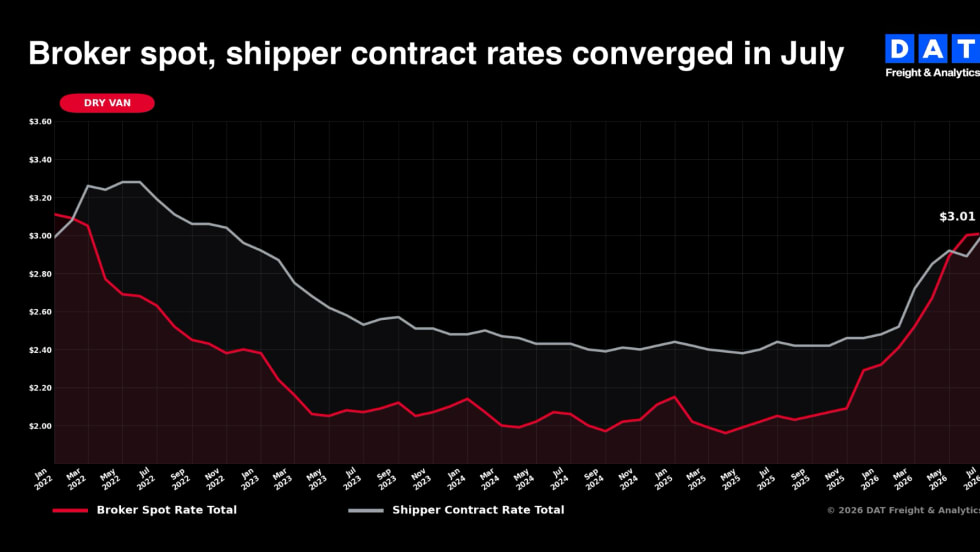
Tight Trucking Capacity Pushes Rates Higher Even as Freight Volumes Fall
“Spot rates moving ahead of contract rates have historically signaled a tightening market, but we haven’t seen a capacity-driven market quite like this one,” said DAT's Dean Croke.
Read More →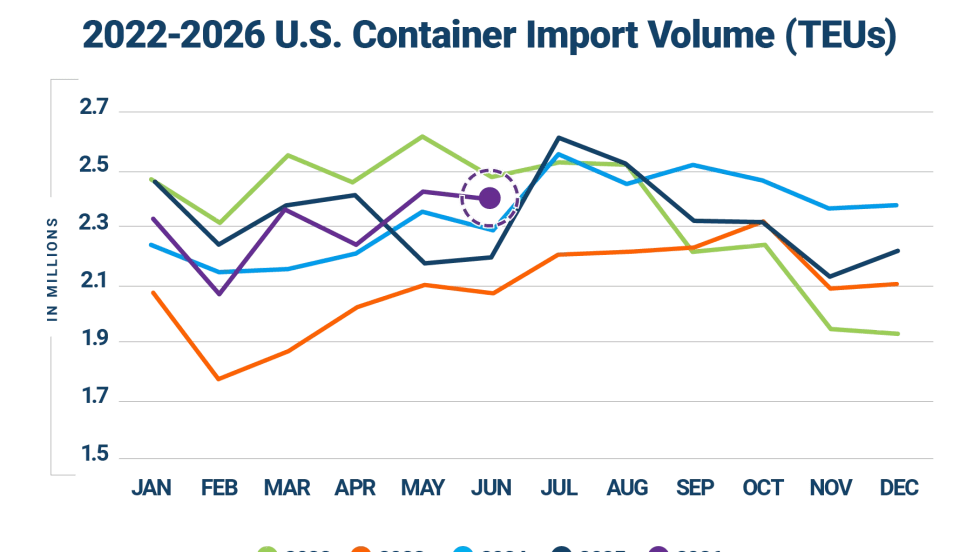
Import Cargo’s Early Peak Season is Winding Down
There was an early start to peak season this year at the nation's gateway ports, as retailers brought in merchandise ahead of tariff changes in late July and responded to other supply chain uncertainties,
Read More →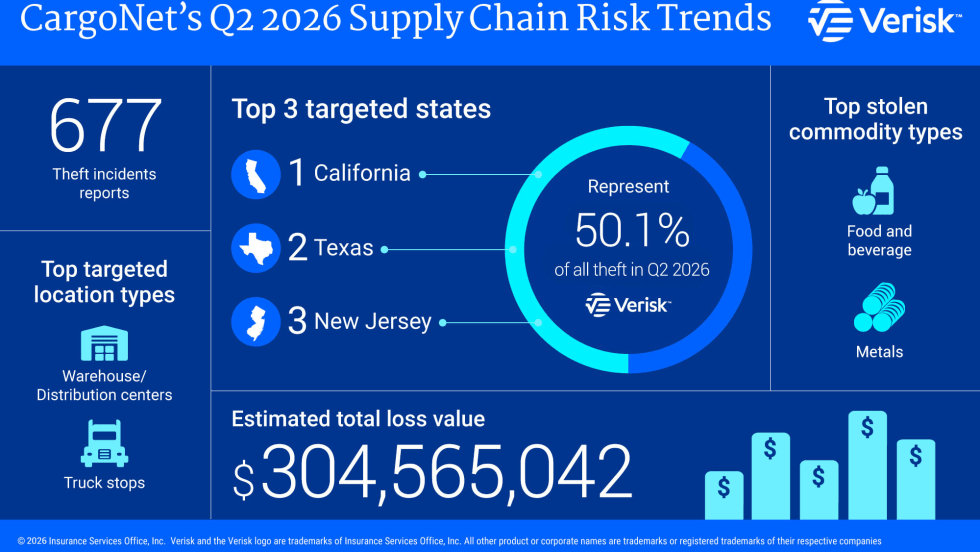
Fewer Cargo Thefts, Bigger Losses: Criminals Target Higher-Value Loads
CargoNet says organized theft rings are stealing fewer shipments but choosing more valuable freight, including metals and technology, resulting in record losses.
Read More →
How Innovative Trucking Leaders Turn Change Into an Advantage
As the pace of change accelerates in trucking, the fleets that adapt best have more than the latest technology. They have cultures that embrace improvement.
Read More →
Freight Broker Bonds Just Got Harder to Get. Here's What That Means for Your Fleet.
When it gets harder for a freight broker to prove they are financially sound, the ones who cannot clear that bar get pushed out of the market. And those are exactly the brokers who used to leave motor carriers holding the bag.
Read More →
Long-Awaited Canadian Border Bridge to Open in Detroit
For trucking, the bridge opening should offer immediate improvements in efficiency and reliability, with new customs facilities, expanded inspection capacity, and direct freeway-to-freeway connections.
Read More →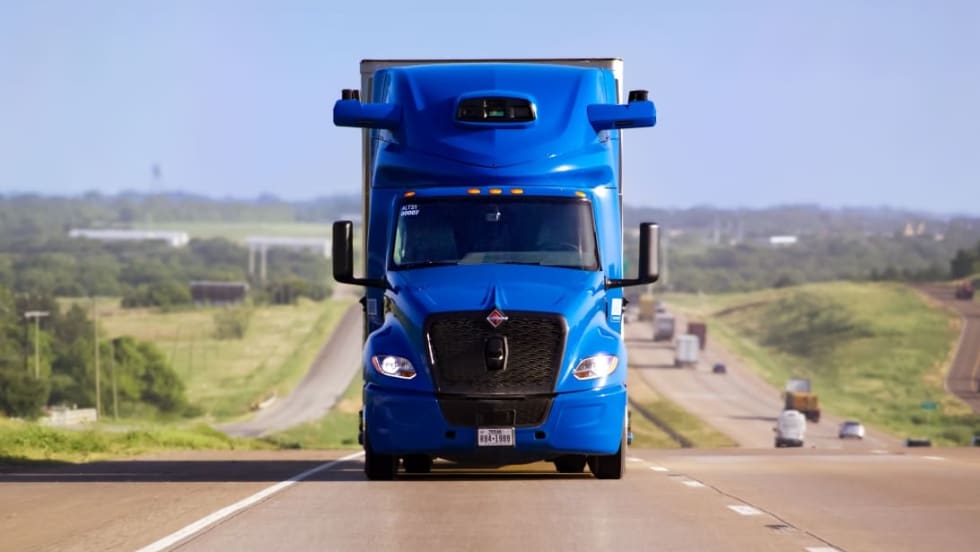
Aurora Rolls Out Next Generation of Driverless Trucks for Commercial Freight
Aurora's latest autonomous trucks it's rolling out with International feature lower-cost hardware designed for a million miles as the company expands commercial driverless freight operations across the U.S. Sun Belt.
Read More →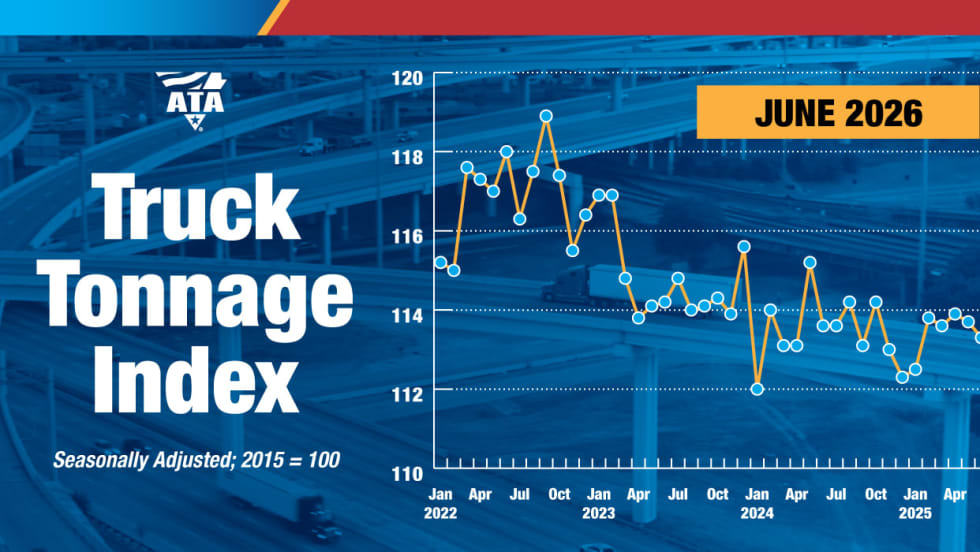
Freight Tonnage Down, Rates up, as Lower Capacity Powers Trucking Recovery
The recovery from the freight recession continues to be driven by reduction in capacity rather than by increased demand.
Read More →