




New York to Automate Tolling to Cut Congestion
New York Governor Andrew Cuomo has unveiled a plan to reduce traffic congestion in the New York City are by automating tolling of eight bridges and two tunnels.
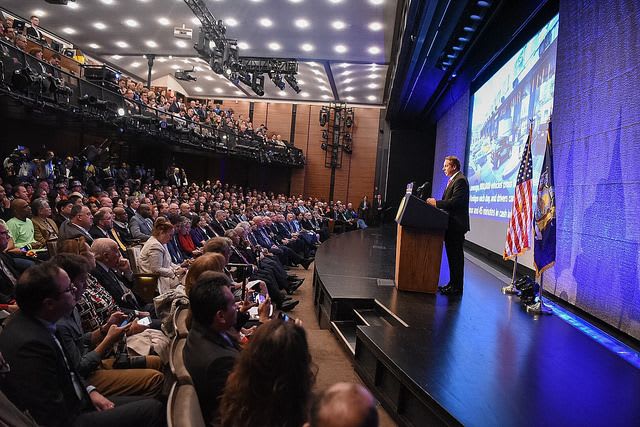
Governor Cuomo announced a transformational plan to reimagine New York City-area crossings for the 21st century. Photo via office of Gov. Andrew Cuomo

New York Governor Andrew Cuomo (D) has unveiled a plan to reduce traffic congestion by automating tolling of all bridges and tunnels operated by the state's Metropolitan Transportation Authority, which is repsonsible for unified mass transportation in the New YorK City metro area,
The New York Crossings Project will encompass all seven bridges and the two tunnels operated by MTA: Brooklyn-Battery Tunnel, Queens-Midtown Tunnel, Henry Hudson Bridge, Whitestone Bridge, Throgs Neck Bridge, RFK Triborough Bridge, Verrazano-Narrows Bridge, Marine Parkway-Gil Hodges Memorial Bridge, and Cross Bay Veterans Memorial Bridge. The coordinated tolling plan will also take in the George Washington Bridge, which is operated separatley by the Port Authority of New York and New Jersey.
The State of New York said it will implement automatic tolling to improve the flow of traffic by using sensors and cameras to automate the tolling process and thereby not require vehicles to come to a stop to pay. The sensors and cameras will be suspended overhead on structures known as gantries.
“This transformational project will revolutionize transportation in New York and ensure that our state is built to lead for generations to come,” said Cuomo. “By investing in New York's transportation network today and equipping it to meet the challenges of tomorrow, we are cementing our state's position as a national leader in 21st century infrastructure and cutting-edge innovation."
A vehicle with an electronic E-ZPass will be charged immediately while a non E-ZPass vehicle will have its license plate recorded and a toll bill will be mailed to the registered owner.
Asked by HDT to comment on the plan, Kendra Hems, President of the Trucking Association of New York, said that TANY supports “removing the toll booths and installing automated tolling to help reduce congestion and potentially reduce accidents.”
However, Hems said TANY has “some questions about the $500-million cost to the plan and we are currently working on getting more information related to that. Additionally, given the sheer volume of traffic that cross the bridges and tunnels every day, we have some concerns about the ability of the MTA to collect tolls from those vehicles that do not currently have E-ZPass.”
New York drivers currently spend more than 6,400 hours per day waiting to pay tolls and the state estimates that automatic tolling will save commuters up to 21 hours of drive time every year.
By eliminating the need to come to a stop, the state estimates that fuel consumption and emissions will also decrease. Putting the measure in place could conserve around 1 million gallons of fuel and save $2.3 million each year.
Automatic tolling will begin on both MTA tunnels in January and is slated to be completed on all MTA-operated bridges by the end of next year.
More Fleet Management
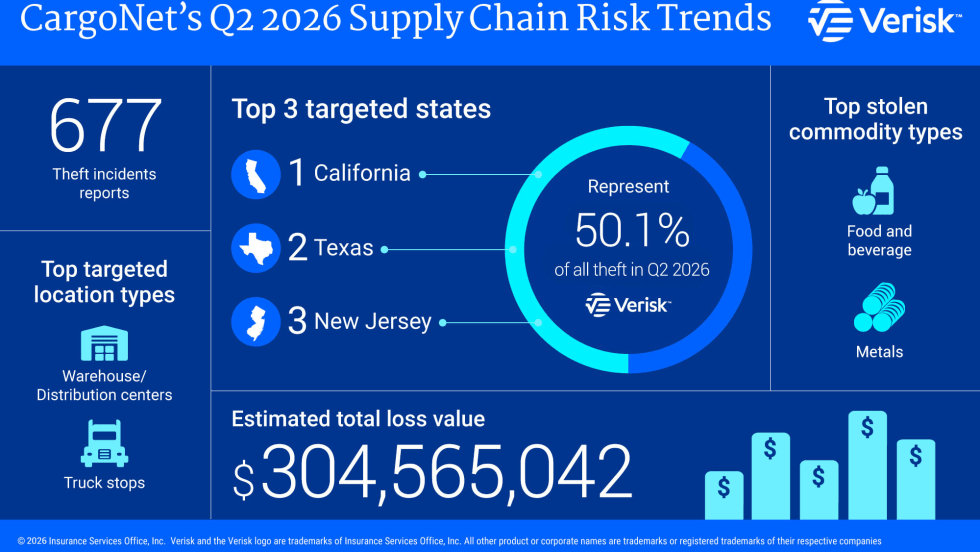
Fewer Cargo Thefts, Bigger Losses: Criminals Target Higher-Value Loads
CargoNet says organized theft rings are stealing fewer shipments but choosing more valuable freight, including metals and technology, resulting in record losses.
Read More →
How Innovative Trucking Leaders Turn Change Into an Advantage
As the pace of change accelerates in trucking, the fleets that adapt best have more than the latest technology. They have cultures that embrace improvement.
Read More →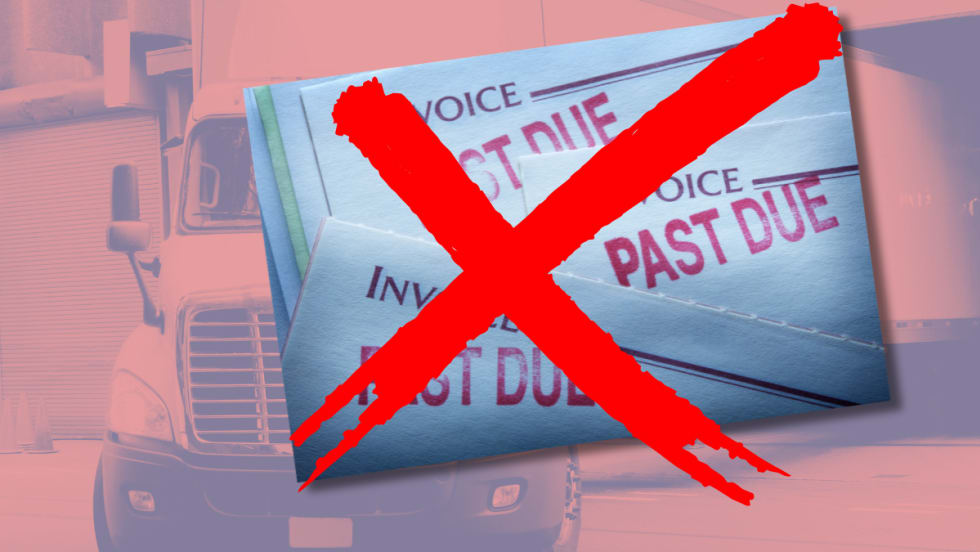
Freight Broker Bonds Just Got Harder to Get. Here's What That Means for Your Fleet.
When it gets harder for a freight broker to prove they are financially sound, the ones who cannot clear that bar get pushed out of the market. And those are exactly the brokers who used to leave motor carriers holding the bag.
Read More →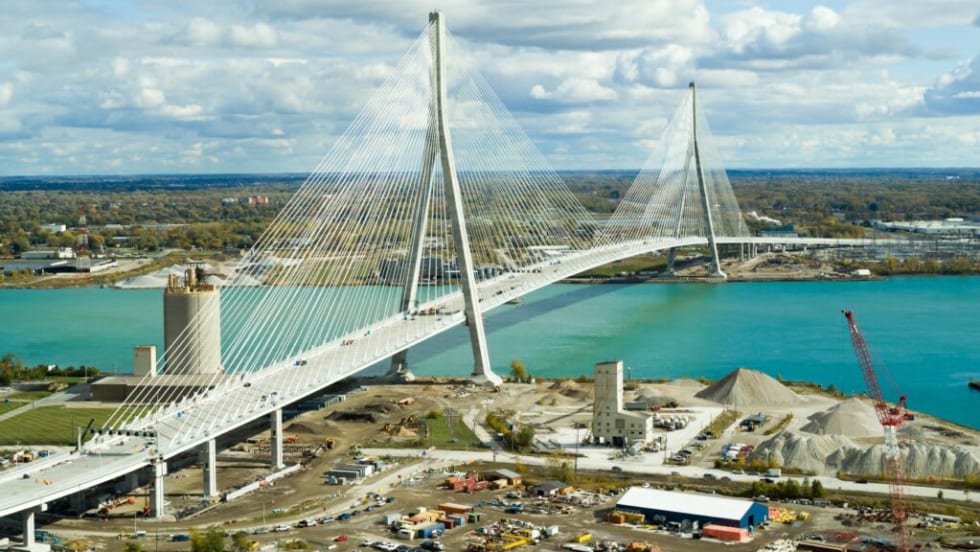
Long-Awaited Canadian Border Bridge to Open in Detroit
For trucking, the bridge opening should offer immediate improvements in efficiency and reliability, with new customs facilities, expanded inspection capacity, and direct freeway-to-freeway connections.
Read More →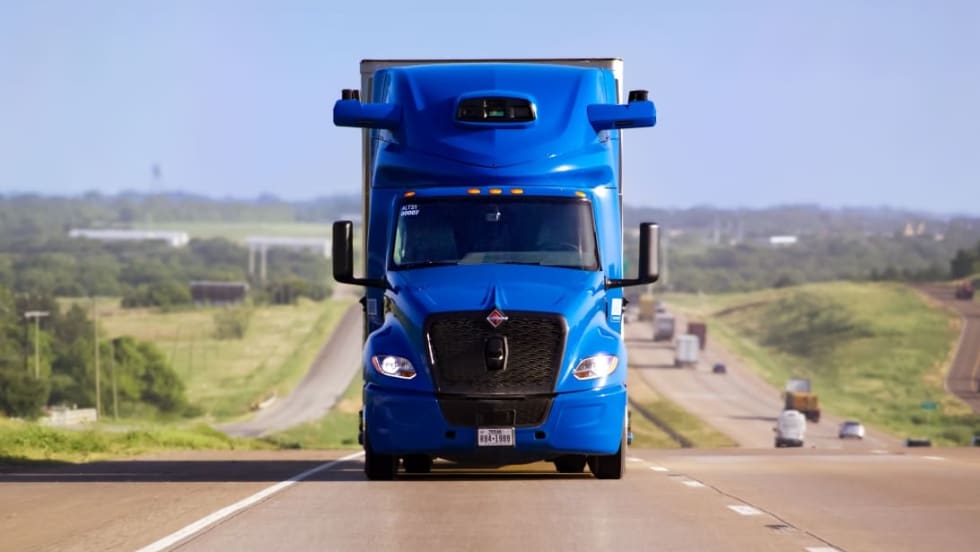
Aurora Rolls Out Next Generation of Driverless Trucks for Commercial Freight
Aurora's latest autonomous trucks it's rolling out with International feature lower-cost hardware designed for a million miles as the company expands commercial driverless freight operations across the U.S. Sun Belt.
Read More →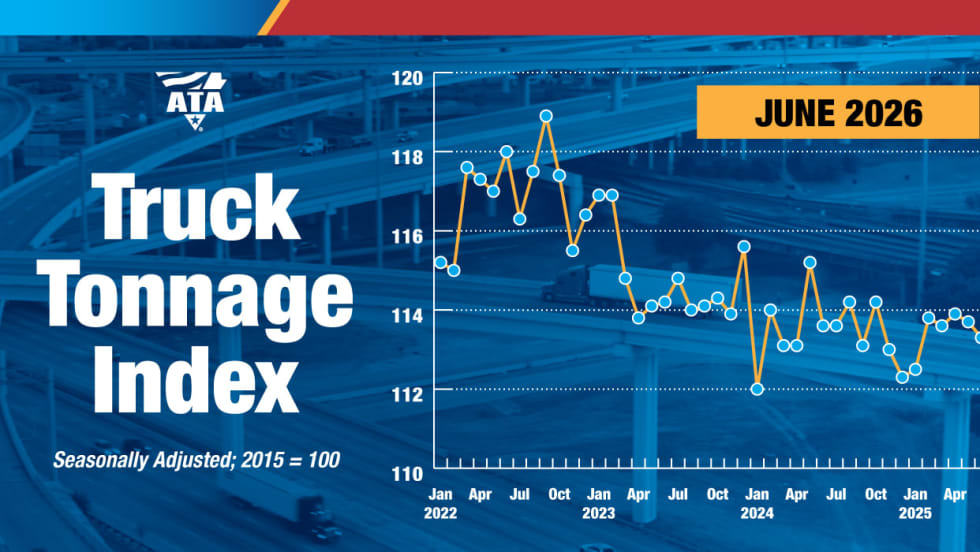
Freight Tonnage Down, Rates up, as Lower Capacity Powers Trucking Recovery
The recovery from the freight recession continues to be driven by reduction in capacity rather than by increased demand.
Read More →
Think Your Trucking Fleet Isn't Using Much AI? Think Again
Shadow AI — the use of unauthorized artificial intelligence tools at work — is becoming increasingly common, putting sensitive company data at risk. Learn how trucking fleets can protect sensitive data while embracing AI.
Read More →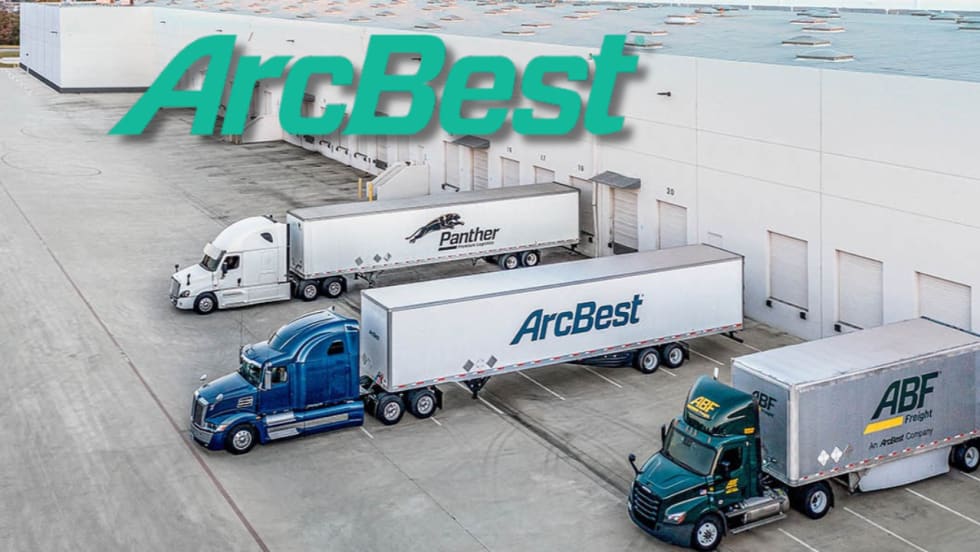
ArcBest Consolidates Brands, Cuts Workforce
The company will bring three business units under the ArcBest brand, eliminate about 2% of positions, and expects the changes to generate $40 million in annual savings.
Read More →
Trucking Fleets Faced Record Operating Costs During Third Year of Freight Recession
ATRI's annual operational cost report shows carriers trimmed fleets, delayed equipment purchases, and ran older trucks as expenses continued to outpace freight rates.
Read More →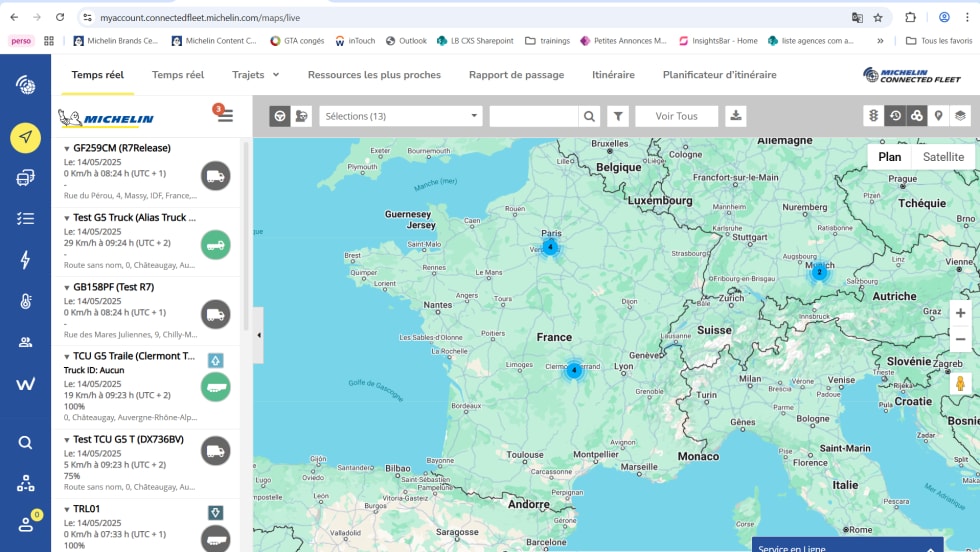
Michelin Adds AI Assistant to MyConnectedFleet Platform
Michelin’s new generative AI tool delivers instant fleet insights, helping managers analyze fuel use, tire maintenance, vehicle status, and operational performance without manually creating reports.
Read More →