




Economic Watch: Retail Sales Rebound But Consumers Less Upbeat
Retail sales in the U.S. posted a solid gain in September, indicating consumers remain confident about the economy – but a separate report revealed that certainty is being hit by the race for White House.

Retail sales in the U.S. posted a solid gain in September, indicating consumers remain confident about the economy – but a separate report revealed that certainty is being hit by the race for White House.
According to the Commerce Department, the 0.6% increase in retail sales last month follows a 0.2% drop in August, slightly better than the originally estimated 0.3% decline. This latest figure is in line with expectations from a consensus estimate of economists surveyed by The Wall Street Journal and is the biggest increase in three months.
When compared to a year earlier, September’s level increased 2.9%. But the third quarter performance of a 0.7% improvement is not as strong as it was in the second quarter of the year.
Control retail sales, used to calculate the gross domestic product and excluding such categories as autos, gasoline stations and building materials, rose a weaker-than-expected 0.1% after a 0.1% drop in August.
The bounce in overall September retail sales, while encouraging, was not as broadly based as had been hoped, according to Paul Ferley, assistant chief economist at Royal Bank of Canada Economics.
“It will still contribute to third quarter real consumer spending rising a solid 2.6% at an annual rate. Though this will be down from the 4.3% surge recorded in the second quarter, it represents an above-average increase,” he said. “With the third quarter expected to see less of a drag from inventories, this strength in consumer spending should help send overall third quarter gross domestic product growth to an above-potential rate of around 3%."
If this happens with the GDP, this would be double the 1.4% gain recorded in second quarter of the year.
“As the Fed becomes convinced that this stronger growth will be sustained, it will return the central bank to tightening mode,” Ferley said. “Our forecast assumes such is likely to be in place by the second quarter of next year, though recent comments by Fed officials, acknowledging the growing strength of the U.S. economy, suggest a rising risk of an earlier hike.”
Business Inventories Remain High, Wholesale Prices Rise
On a related note, a separate Commerce Department report showed U.S. business inventories increased a modest 0.2% in August. With business sales also increasing 0.2%, this left the inventories-to-sales ratio remained unchanged at 1.39 months. That is slightly lower than it was earlier in the year.
Business inventories are still higher than normal as companies work through an excessive buildup that happened last year and has been blamed for some slowing of the overall economy.
Meantime, a Labor Department report showed prices at the wholesale level rose 0.3% in September and are up 0.7% from the same time a year ago, the biggest annual gain since December 2014.
Excluding volatile food and energy costs, the Producer Price Index rose 0.2%. Both month-over-month numbers were slightly higher than a consensus estimate by analysts.
Some analysts believe this latest performance in the PPI may translate into higher prices for consumers, which could prompt the Federal Reserve to increase interest rates. Weak inflation has been one of the reasons the central bank has held off on a rate hike.
Presidential Politics Hurting Consumer Confidence
Lastly, a measure of consumer feelings showed while they are still feeling good, things aren’t as upbeat as they were the month before or a year earlier.
The University of Michigan Survey of Consumer’s Index of Consumer Sentiment posted declines of 3.6% this month from the month before and 2.3% compared to October 2015, hitting its lowest level since last September and the second lowest level in the past two years.
The early October loss was concentrated among households with incomes below $75,000, whose Index fell to its lowest level since August of 2014. In contrast, confidence among upper income households remained unchanged in early October from last month, and more importantly, at a level that was nearly identical to its average in the prior 24 months.
“Perhaps the most concerning figure was a decline in the Expectations Index, which fell to its lowest level in the past two years, again mainly due to declines among households with incomes below $75,000,” said Surveys of Consumers chief economist Richard Curtin. “It is likely that the uncertainty surrounding the presidential election had a negative impact, especially among lower income consumers, and without that added uncertainty, the confidence measures may not have weakened."
He believes prospects for renewed gains, other than a relief rally following the election results, would require somewhat larger wage increases and continued job growth as well as the maintenance of low inflation.
More Fleet Management
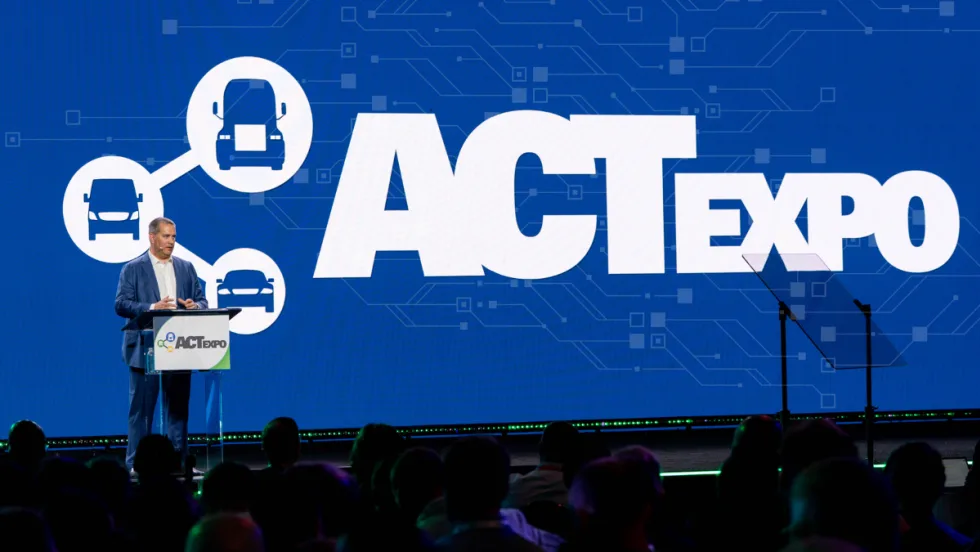
Fleet Costs Shape ACT Expo 2027 Agenda
With diesel prices high and operating expenses under pressure, ACT Expo's 2027 agenda emphasizes fuel efficiency, AI, safety and the return on fleet technology investments.
Read More →
Does Your Trucking Fleet Need a New TMS? [Video]
Cloud technology, AI and new integrations are changing what transportation management systems can do. But does taking advantage of those advances mean replacing your existing TMS?
Read More →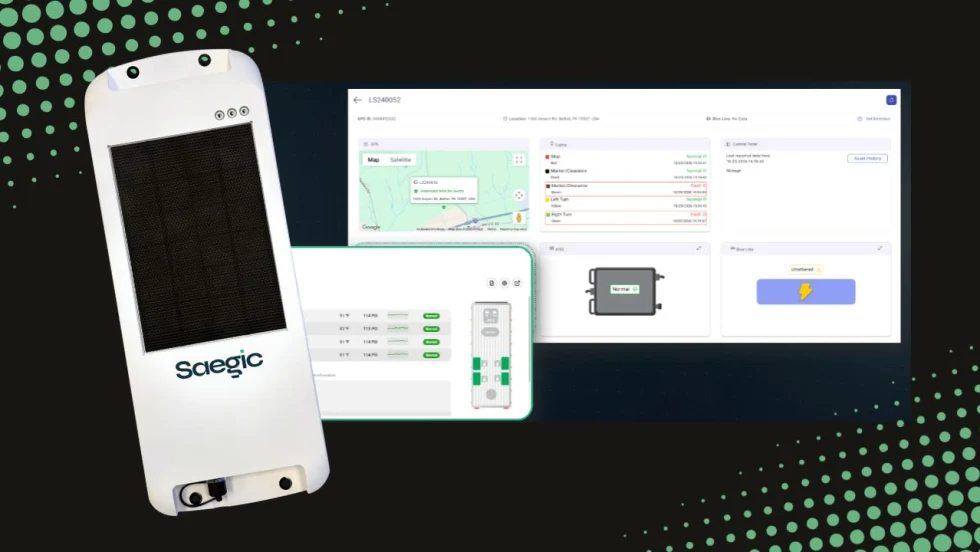
Road Ready Becomes Saegic, Launches New Trailer Telematics Gateway
Clarience Technologies is rolling out new hardware and expanding its plans for connecting trailer telematics, maintenance data, and video.
Read More →
Give Your Trucking Fleet a Cybersecurity Walkaround
Your fleet's cybersecurity policies may look good on paper. These seven checks can help you find out whether they’re working.
Read More →
Kodiak Lines Up Fleets for Driverless Trucking
An agreement for 75 trucks, a new Texas freight lane, and progress on safety validation move Kodiak closer to its planned driverless highway launch.
Read More →
ITS Logistics Settles Religious Harassment Case
The Nevada-based logistics firm agreed to pay more than $396,000 to settle a religious harassment charge involving an employee's Jewish identity.
Read More →
Your Trucks Are Busy. That Doesn’t Mean They’re Winning.
High utilization doesn’t always mean strong margins. Looking beyond the current load can help fleets make better dispatch decisions and get more value from each truck’s time.
Read More →
Why This Trucking Recovery Is Different
Freight demand remains sluggish, but rising costs and tougher enforcement have taken enough capacity out of the market to change the outlook for motor carriers.
Read More →
Platform Science Adds Dispatch and Safety Tools
Four additions to PS Fleet help fleets monitor loads, manage driver coaching, share truck locations and adjust video system settings.
Read More →
PrePass Intelligence Mines Fleet Bypass, Toll and Safety Data
PrePass Intelligence helps fleets measure bypass savings, flag potential toll overcharges, and spot suspicious transactions by combining data from separate systems.
Read More →