




Economic Watch: Home Starts Slow, Overall Optimism Remains
Nationwide housing starts fell 5.8% to a seasonally adjusted annual rate of 1.14 million units in August, according to newly released data from the Commerce Department on Tuesday, the latest disappointing economic indicator, but there are still feelings overall economic conditions are improving.


Nationwide housing starts fell 5.8% to a seasonally adjusted annual rate of 1.14 million units in August, according to newly released data from the Commerce Department on Tuesday, the latest disappointing economic indicator, but there are still feelings overall economic conditions are improving.
“After two months of gains, the housing market gave back a bit in August,” says Ed Brady, chairman of the National Association of Home Builders. “However, with builders reporting low inventory levels and rising confidence, we expect more consumers will return to the market in the months ahead.”
Both housing sectors posted production declines in August. Single-family housing starts fell 6% to a seasonally adjusted annual rate of 722,000 units while multifamily production declined 5.4% to 420,000 units.
“The August reading represents a one-month blip in what has been a long-term, gradual recovery,” says NAHB Chief Economist Robert Dietz. “On a year-over-year basis, single-family starts are up 9% while multifamily construction continues to level off at a solid level as that sector seeks to find a balance between supply and demand.”
Overall permit issuance, an indicator of future home building, edged 0.4% lower. Single-family permits rose 3.7% in August to a rate of 737,000 while multifamily permits dropped 7.2% to 402,000. Combined single- and multifamily starts increased in three of the four regions in August; the Northeast, Midwest and West; while the South posted an atypical decline.
The pullback in August housing starts, and particularly the weakness in single unit starts, has lowered expectations by the Royal Bank of Canada with it comes to third quarter residential investment, but there there are higher hopes in other economic sectors.
RBC Economist John Nye expects a modest 2% annualized decline rather than flat activity, although that would still represent an improvement on the nearly 8% annualized decline recorded in the prior quarter.
“We also look for some of the other sources of weakness in the second quarter, namely business and inventory investment, to turn around in the current quarter,” he said. “Along with another solid gain in consumer spending, notwithstanding last week’s flat retail sales, we expect U.S. gross domestic product growth will rebound to just over 3% in third quarter following lackluster gains over the first half of the year.” That compares to a second quarter annual rate of GDP expansion of just 1.1%.
Looking further ahead, he expects housing starts will return to an improving trend amid a strong labor market, low rates, continued easing in mortgage financing conditions and some tightness in home inventories, although the August downturn in homebuilding permit issuance presents a near-term downside risk to the outlook.
The report follows separate ones from last week showing declines in both retail sales and factory orders in August.
The Commerce Department said retail sales fell 0.3% from July, the first decline in five months, after a 0.1% revised improvement the month before. The latest performance fell short of many analysts’ expectations.
Also report released by the Federal Reserve showed total output at the rnation’s factories, mines and utilities fell 0.4% in August from the month before. This measure of industrial output also included a 0.4% drop for manufacturing alone, reversing its increase in July.
The news comes as two experts at FTR’s Transportation Conference last week in Indianapolis said they expect a recovery for freight and the overall U.S. economy is in the cards for the fourth quarter of the year, though it’s not expected to be as large as many would like to see.
More Fleet Management
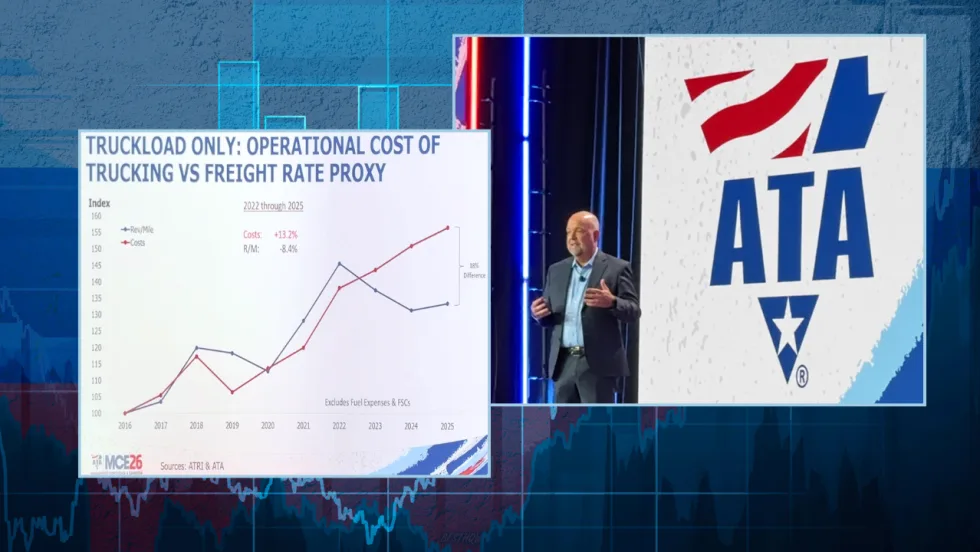
Why This Trucking Recovery Is Different
Freight demand remains sluggish, but rising costs and tougher enforcement have taken enough capacity out of the market to change the outlook for motor carriers.
Read More →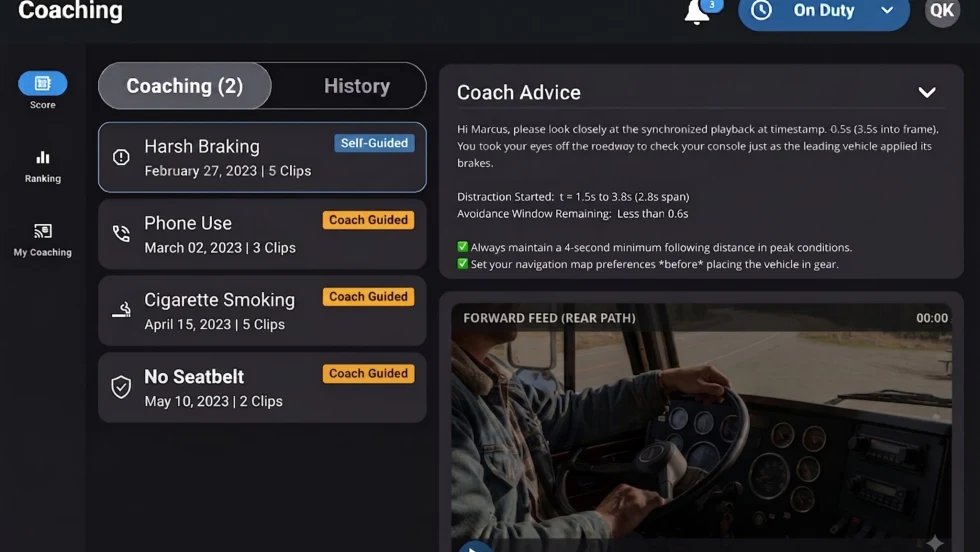
Platform Science Adds Dispatch and Safety Tools
Four additions to PS Fleet help fleets monitor loads, manage driver coaching, share truck locations and adjust video system settings.
Read More →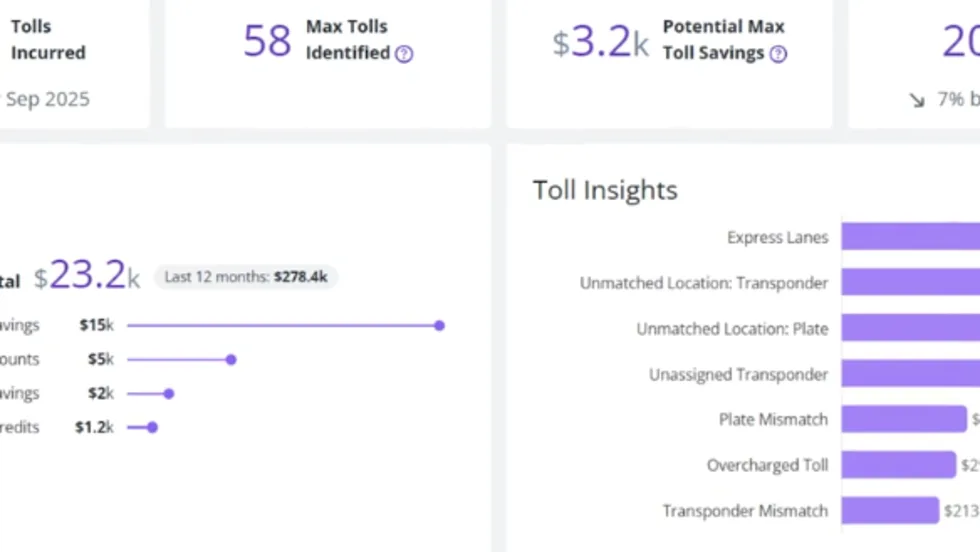
PrePass Intelligence Mines Fleet Bypass, Toll and Safety Data
PrePass Intelligence helps fleets measure bypass savings, flag potential toll overcharges, and spot suspicious transactions by combining data from separate systems.
Read More →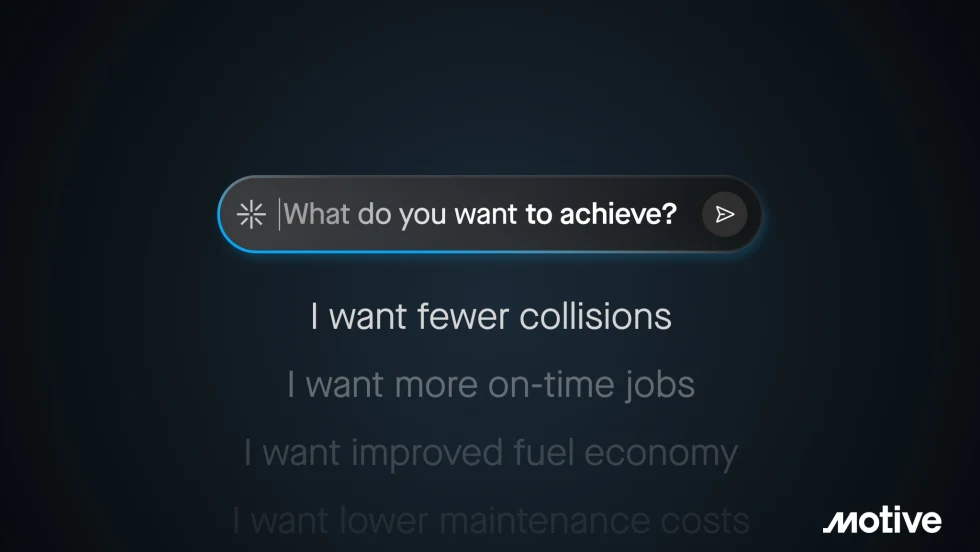
Motive Adds AI Agents for Fleet Operations
New tools automate follow-up on fleet data, from maintenance work orders to driver alerts, with two-way voice conversations planned for later this year.
Read More →
Can You Beat Our Trucking Trivia Challenge?
Test your truck knowledge with 19 trivia questions from Heavy Duty Trucking Exchange. Can you keep up with the fleet pros?
Read More →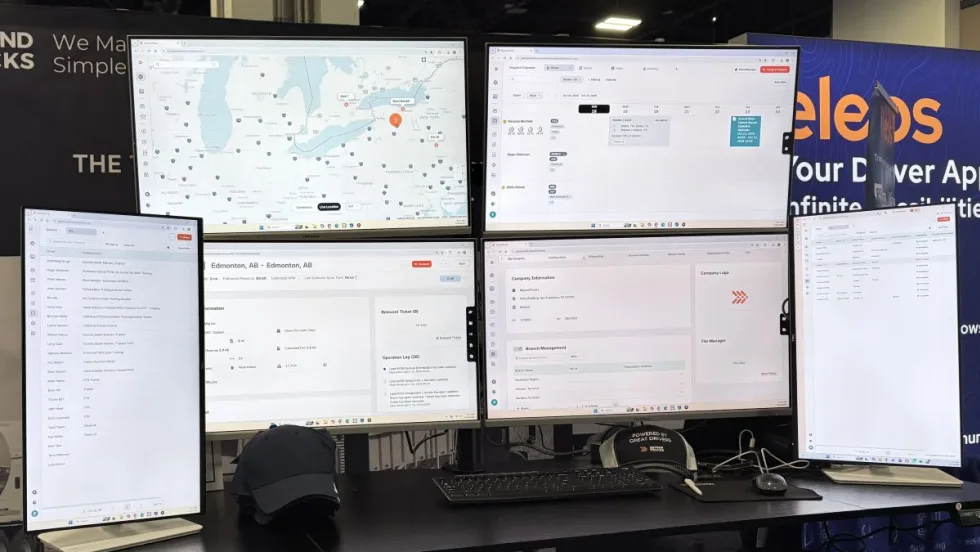
BeyondTrucks Adds Rules Checks to Dispatch
New Compatibility Engine checks driver qualifications, equipment requirements and fleet policies before loads are dispatched.
Read More →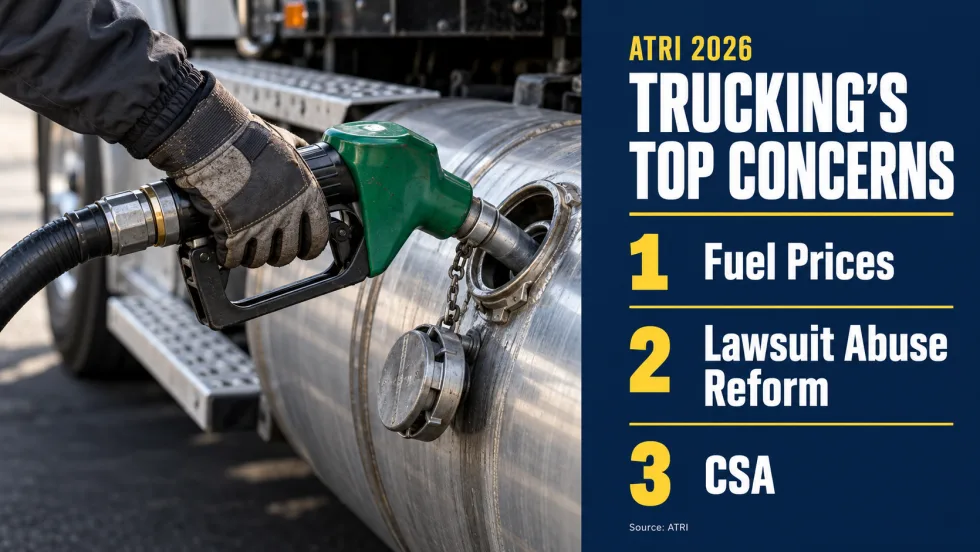
Diesel Prices Hijack Trucking’s Worry List
ATRI’s annual survey finds cautious optimism about freight, but diesel costs, litigation, and insurance continue to squeeze fleets. Drivers have different priorities on several issues.
Read More →
Nomination Deadline Extended for HDT Emerging Leaders
Just a few more days to nominate accomplished trucking fleet professionals under 40 who are making an impact and helping lead the industry forward for the HDT Emerging Leaders award. Deadline extended to October 20!
Read More →
What Will ATA’s New Leader Bring to Trucking's Table?
Incoming President and CEO Mark Colson’s record in Alabama offers clues about his priorities and approach following Chris Spear’s abrupt departure as the head of the American Trucking Associations.
Read More →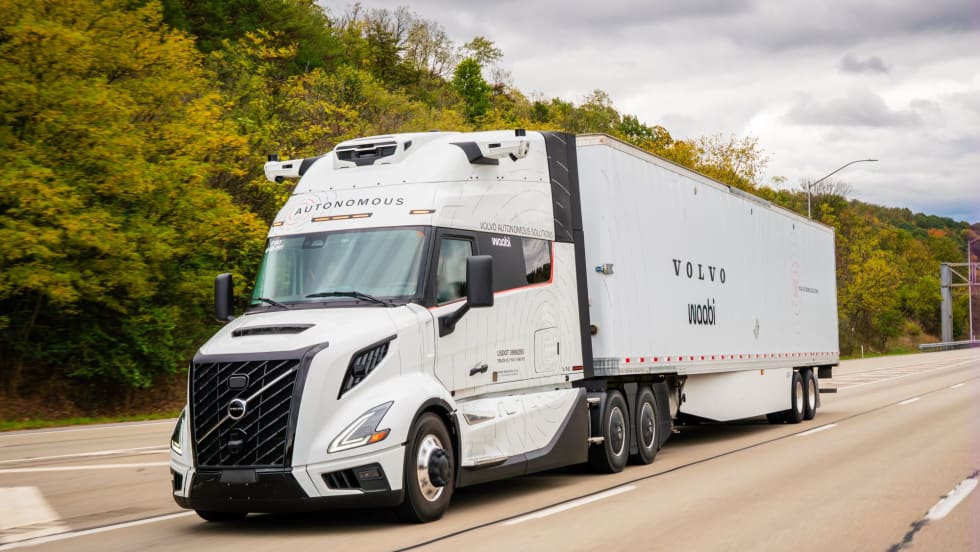
Volvo, Waabi Start Commercial Autonomous Operations in Texas
Volvo VNL Autonomous trucks, powered by the Waabi Driver, are hauling freight directly to third-party facilities for a customer in Texas.
Read More →