




Related: 5 Arguments for Heavier Trucks
Arizona Testing Impact of Overweight Trucks on Major Corridor
The Arizona Department of Transportation has begun a year-long pilot program allowing heavier trucks to use one of the state’s key transportation corridors to test the effect on commercial transportation efficiency.
by Staff
September 7, 2016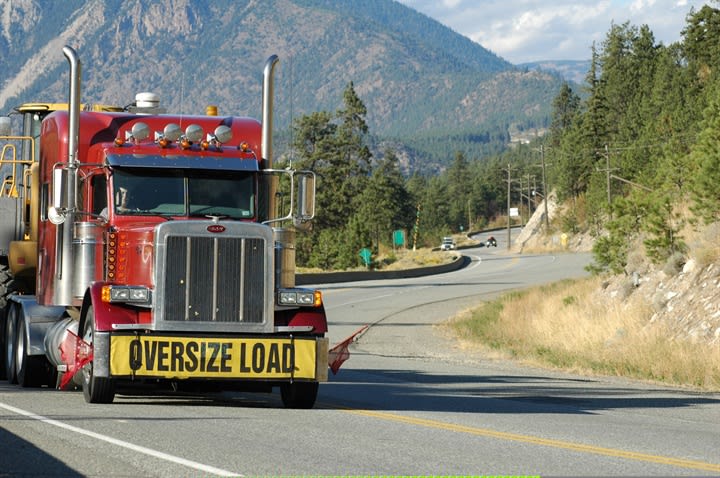
Photo: Jim Park
2 min to read
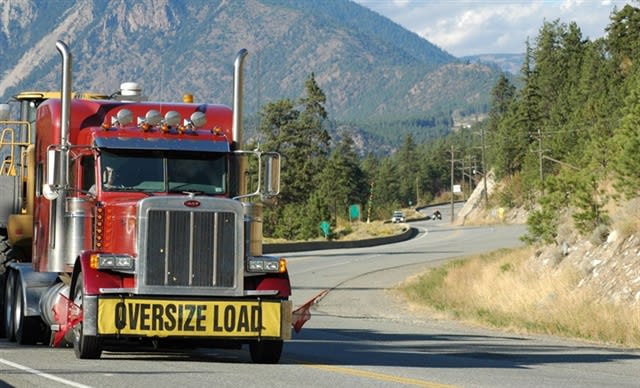
Photo: Jim Park
The Arizona Department of Transportation has begun a year-long pilot program allowing heavier trucks to use one of the state’s key transportation corridors to test the effect on commercial transportation efficiency.
The program, which started on Sept. 1, allows trucks carrying up to 83,000 pounds to travel on interstate 10 between mileposts 232 and 279 in Tucson and Marana, on Interstate 19 between Tucson and Nogales, and on Business 19 in Nogales.
“These roadways are key commerce corridors that contribute significantly to Arizona’s economy,” said John Halikowski, ADOT director. “Operating at the speed of business means that ADOT looks for ways to make freight travel as friction-free as possible while safeguarding Arizona’s investment in our highways.”
The main reason for the weight increase is that freight containers passing through the Port of Tucson are allowed by railway permits to weigh a maximum of 53,000 pounds while the trucks that haul them usually weigh about 30,000 pounds, according to ADOT. By raising the weight limit by a small amount, there is no longer a need to offload some of each container’s contents before it goes on a truck. This can help commerce move more freely.
The pilot program will allow ADOT to study whether the higher weight limit has an impact on the condition of highways. The Port of Tucson is a full-service facility located off Interstate 10 near Kolb Road that serves both the trucking and railroad industries.
“Increasing cargo capacities on interstates 10 and 19 will make southern Arizona more competitive, help attract new commerce, and retain the companies and jobs we have,” said Sharon Bronson, chair of the Pima County board of supervisors. “The ADOT Interstate 19 Heavier Truck Pilot Program is a great step in reducing logistics costs for our region’s businesses. The program will also help to clarify the infrastructure impact of trucks carrying fully loaded containers.”
More Fleet Management

Sponsored•September 14, 2026
2026 Blueprint for Countering Smarter Supply Chain Theft
Cargo theft is no longer just the cost of doing business. It's a multi-billion-dollar criminal enterprise exploiting vulnerabilities across your fleet, drivers, and supply chain.
Read More →
Sponsored•September 1, 2026
How Telematics Improves Visibility, Control, and Performance in Refrigerated Fleets
Explore how telematics help refrigerated fleets improve visibility, uptime, efficiency, compliance, and cargo protection across connected cold chain operations.
Read More →
What the U.S.-Canada Trade War Means for Trucking
Escalating U.S.-Canada tariffs could disrupt cross-border freight, reduce truck volumes, raise costs, and create new uncertainty for carriers on both sides of the border.
Read More →

What Are Trucking’s Top Concerns for 2026?
The American Transportation Research Institute wants to know what's worrying trucking fleet managers, drivers, and other stakeholders in its annual Industry Issues survey.
Read More →
American Trucking Associations Looks for a New Leader
ATA President and CEO Chris Spear abruptly left his job at the association on August 21, at a pivotal time for the trucking industry.
Read More →
Public Wi-Fi Cybersecurity Risks: How Truck Drivers and Fleets Can Protect Their Data
Public Wi-Fi can expose truck drivers and fleets to credential theft, malware, and other cyber threats. Here’s how to reduce the risk on the road.
Read More →
For Nicky Cupp, Fleet Innovation Starts With Frustration
HDT Truck Fleet Innovator Nicky Cupp turns everyday pain points at Fraley & Schilling into opportunities for better technology and smarter processes.
Read More →
Adam Buttgenbach’s Approach to Electric Trucks: Start With Where They Fit
HDT Truck Fleet Innovator Adam Buttgenbach helped PepsiCo build one of North America’s largest EV fleets by focusing on where electric trucks make operational sense.
Read More →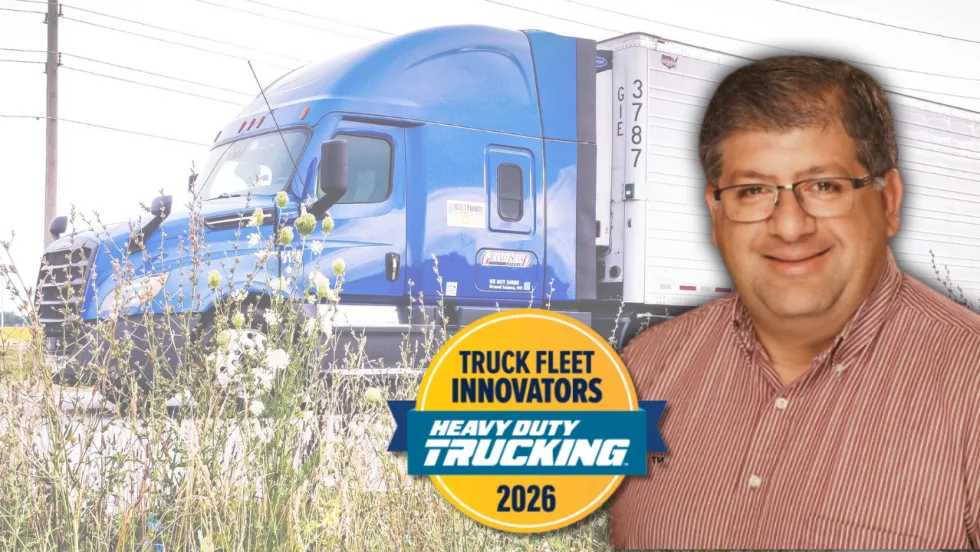
Deen Albert: Let Automation Do the Math, People Make the Decisions
HDT Truck Fleet Innovator Deen Albert makes sure people are still at the heart of operations at Grand Island Express, even while adopting artificial intelligence tools. AI-assisted dispatch helped boost revenue 25% with the same number of trucks.
Read More →
Trimble’s New AI Agent Takes Aim at Fleet Back-Office Busywork
Arc Agent works across Trimble TMS products to automate repetitive tasks such as freight orders, maintenance, invoices, fuel costs and more.
Read More →