




Economic Watch: Manufacturing Continues Rebound, Construction Declines
After hitting a post-Great Recession low, economic activity in the nation’s manufacturing sector continues to grow, but how strong that growth is depends on which report you read.


After hitting a post-Great Recession low, economic activity in the nation’s manufacturing sector continues to grow, but how strong that growth is depends on which report you read.
A survey of the nation’s supply managers conducted by the Institute for Supply Management shows the manufacturing sector expanded for the firth straight month in July. Its Purchasing Managers Index hit 52.6%, just below Wall Street expectations.
While a reading above 50% indicates expansion, this is down from the June reading of 53.2%, meaning the pace last month was less robust.
Twelve of the 18 survey manufacturing industries reported an increase in new orders in July, the same as in June. Nine of the 18 industries reported an increase in production in July, down from 12 in June.
The New Orders Index registered 56.9%, a decrease of 0.1 of percentage point from the June reading. The Production Index registered 55.4%, 0.7 of a percentage point higher. The Employment Index registered 49.4%, a decrease of 1 percentage point from the June figure.
The overall reading moved into negative territory late last year, due in large part to an increase in the value of the U.S. dollar relative to other currencies, making export goods more expensive overseas. Also driving it down was the steep decline in oil prices for more than a year. After both stabilized this spring, the index increased but recently took a hit with the decision of voters in the U.K. last month to leave the European Union.
A separate but similar survey by the financial information services provider IHS Markit shows manufacturing output hit an eight-month high in July, with U.S. manufacturers signaling a relatively strong start to the third quarter of 2016.
Markit's Manufacturing Purchasing Managers’ Index registered 52.9 in July, up from 51.3 in the previous month and comfortably above the post-crisis low seen in May of 50.7. This final PMI reading for July was unchanged from the earlier preliminary figure. A survey reading above 50 indicates expansion.
“The stronger manufacturing PMI survey data for July fuel hopes that the sector will act as less of drag on the economy in the third quarter after a disappointing first half of the year,” said Chris Williamson, chief economist at Markit.
Markit's July data shows a sustained rebound in production volumes across the manufacturing sector. Higher levels of output have been recorded in each of the past two months, with the latest expansion the fastest since November 2015, according to the report. Anecdotal evidence cited greater inflows of new work and supportive economic conditions.
“Having signaled the sector’s worst performance for over six years in the second quarter, contributing to a sluggishness in the economy that was later seen in the soft gross domestic product numbers, the improvement in July suggests that manufacturers and exporters will have helped lift the economy at the start of the third quarter," Markit notes.
Construction Spending Falls For Third Straight Month
These reports follow a separate one released Monday by the Commerce Department showing total construction spending fell in June by 0.6% from the revised rate the month before, hitting its lowest level in a year.
The level is still 0.3% higher than June 2015, and construction spending in the first half of 2016 is 6.2% better than it was during the first six months of last year.
A 0.6% decline in spending for private construction pulled down the overall June figure, while residential construction was nearly the same as it was the month before. A 0.6% drop in public construction projects also led to the overall decline that includes a 1.4% drop in highway construction.
The drop in the overall construction spending could pull down revised second quarter GDP numbers when they are released in about a month, following a report issued Friday showing overall economic activity in the U.S. grew at a rate of 1.2% in the second quarter, better than the first quarter rate, but far off what many analysts were expecting.
More Fleet Management
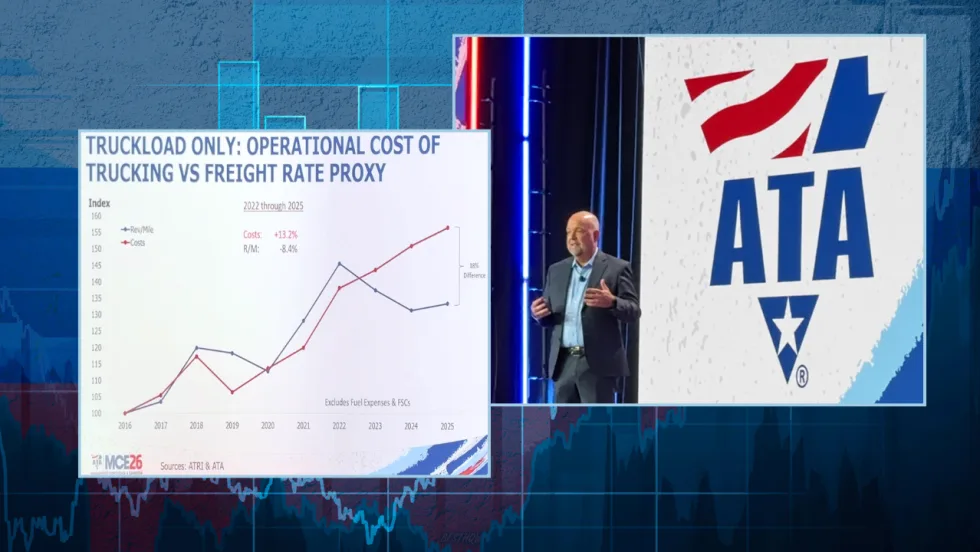
Why This Trucking Recovery Is Different
Freight demand remains sluggish, but rising costs and tougher enforcement have taken enough capacity out of the market to change the outlook for motor carriers.
Read More →
Platform Science Adds Dispatch and Safety Tools
Four additions to PS Fleet help fleets monitor loads, manage driver coaching, share truck locations and adjust video system settings.
Read More →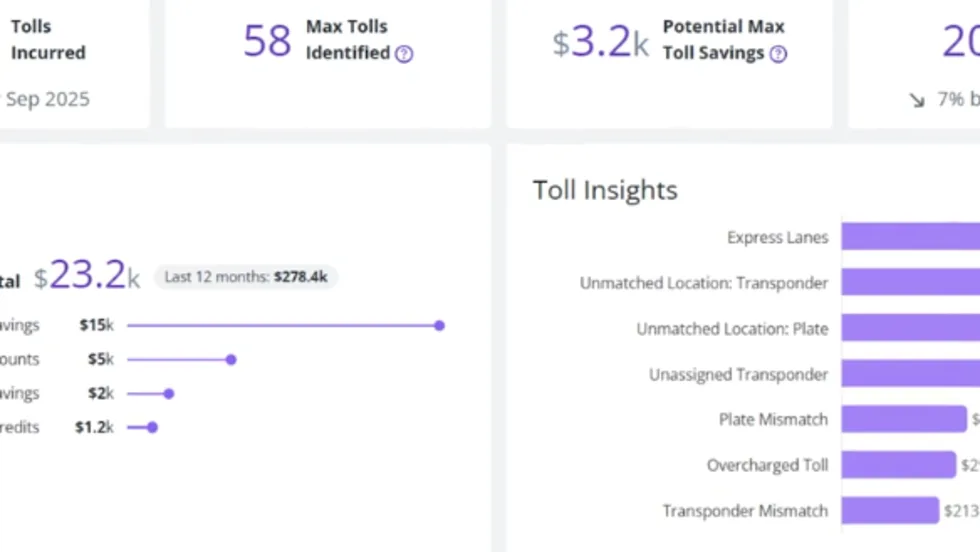
PrePass Intelligence Mines Fleet Bypass, Toll and Safety Data
PrePass Intelligence helps fleets measure bypass savings, flag potential toll overcharges, and spot suspicious transactions by combining data from separate systems.
Read More →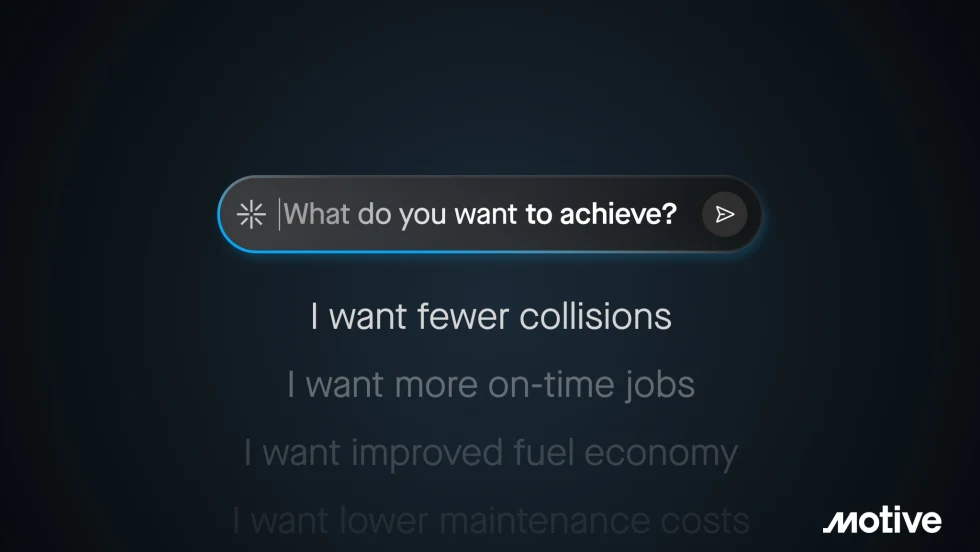
Motive Adds AI Agents for Fleet Operations
New tools automate follow-up on fleet data, from maintenance work orders to driver alerts, with two-way voice conversations planned for later this year.
Read More →
Can You Beat Our Trucking Trivia Challenge?
Test your truck knowledge with 19 trivia questions from Heavy Duty Trucking Exchange. Can you keep up with the fleet pros?
Read More →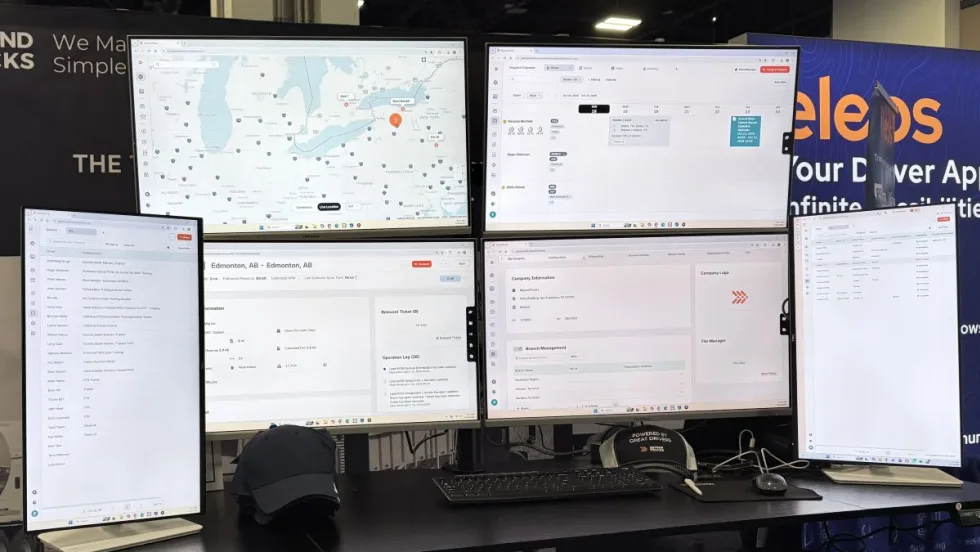
BeyondTrucks Adds Rules Checks to Dispatch
New Compatibility Engine checks driver qualifications, equipment requirements and fleet policies before loads are dispatched.
Read More →
Diesel Prices Hijack Trucking’s Worry List
ATRI’s annual survey finds cautious optimism about freight, but diesel costs, litigation, and insurance continue to squeeze fleets. Drivers have different priorities on several issues.
Read More →
Nomination Deadline Extended for HDT Emerging Leaders
Just a few more days to nominate accomplished trucking fleet professionals under 40 who are making an impact and helping lead the industry forward for the HDT Emerging Leaders award. Deadline extended to October 20!
Read More →
What Will ATA’s New Leader Bring to Trucking's Table?
Incoming President and CEO Mark Colson’s record in Alabama offers clues about his priorities and approach following Chris Spear’s abrupt departure as the head of the American Trucking Associations.
Read More →
Volvo, Waabi Start Commercial Autonomous Operations in Texas
Volvo VNL Autonomous trucks, powered by the Waabi Driver, are hauling freight directly to third-party facilities for a customer in Texas.
Read More →