




ATRI Offers Strategies to Fight Congestion
Trucking industry research organization ATRI recently led the development of two primers for the U.S. Department of Transportation’s Integrated Corridor Management program.

Photo: U.S. DOT

Trucking industry research organization ATRI recently led the development of two primers for the U.S. Department of Transportation’s Integrated Corridor Management program, offering strategies for fighting congestion.
Earlier this year, ATRI’s research placed the cost of congestion to the trucking industry at $49.6 billion in 2014. One of the ways to reduce congestion is more effective and efficient movement of people and goods through major urban areas, according to ATRI.
The two ICM primers are designed to help transportation networks realize improvements in urban congestion through integrated, proactive management of existing infrastructure along major corridors.
Most ICM strategies to date have focused on the passenger car aspect of reducing congestion. But ATRI’s primers focus on freight’s role in congestion as well as the role that law enforcement, fire and rescue and other traffic incident management services can play.
ATRI’s first primer examines how freight can be incorporated into an ICM approach as well as the benefits of ICM in addressing many of the challenges in moving freight through congested areas. It explores opportunities to integrate freight considerations into corridor management institutionally, operationally and technically. These include leveraging existing platforms and considering new options for coordination between traditional ICM and freight stakeholders.
The other primer focuses on traffic management and describes how traffic incident management can be incorporated into TCM. It also details how ICM can benefit a traffic incident management program.
Both primers are available on ATRI’s website in PDF format.
More Fleet Management

HDT Announces 2026 Truck Fleet Innovator Finalists
From AI and fleet electrification to safety, operations, and leadership, these HDT Truck Fleet Innovator finalists are changing how trucking gets done.
Read More →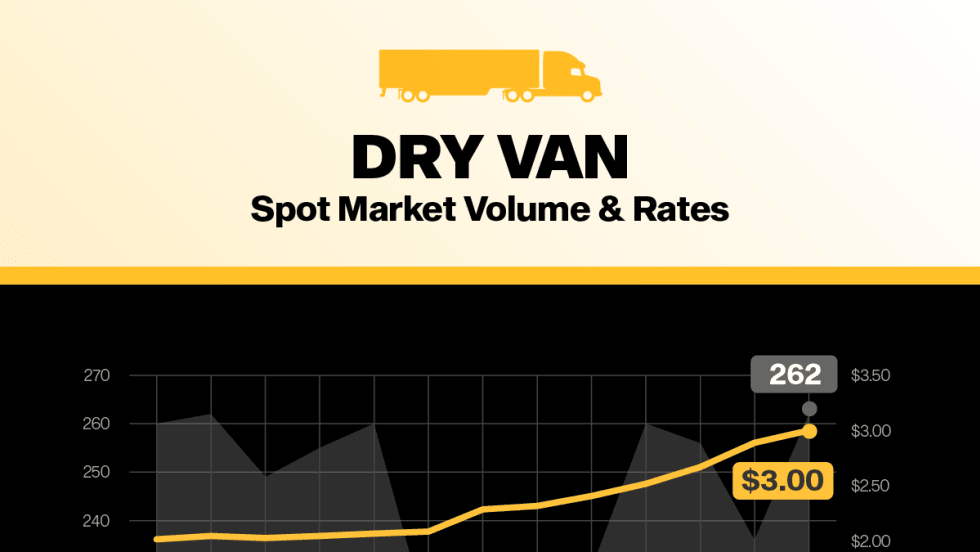
Van Spot Rates Top Contract Rates for First Time Since 2022
There’s more good economic news for the North American trucking industry according to the latest Truckload Volume Index report from DAT.
Read More →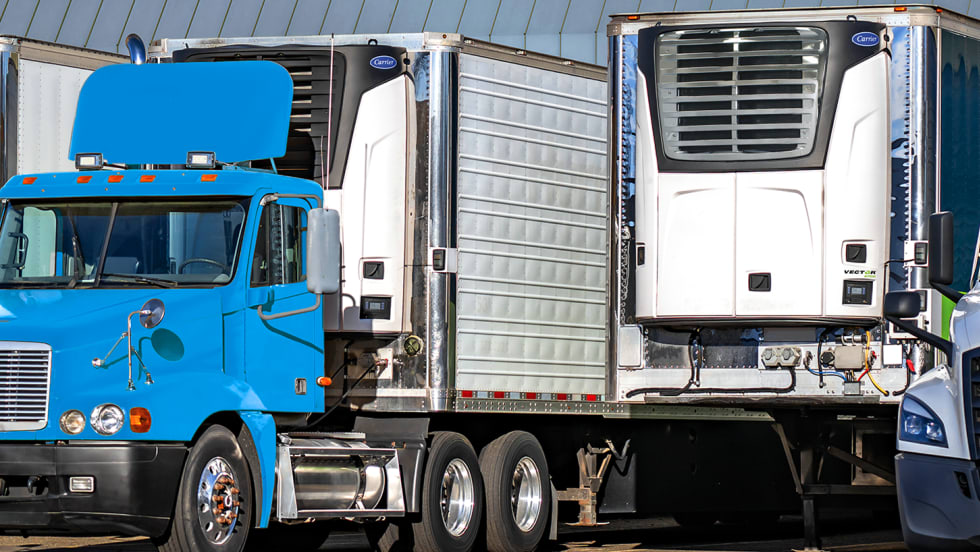
Carrier Transicold Extends Refrigerated Trailer Life
Fleet Refresh enables refrigerated fleets to replace aging transport refrigeration units instead of entire trailers, while adding Lynx Fleet telematics and BluEdge service coverage.
Read More →

FTR Says Freight Rates Surged in May
FTR's Trucking Conditions Index surged to a record high in May, the analytics firm reports.
Read More →
Meet HDT's Truck Fleet Innovators at Heavy Duty Trucking Exchange
Heavy Duty Trucking Exchange brings fleet managers and suppliers together for the deeper conversations that lead to ideas, partnerships, and solutions. Time is running out to apply for HDTX, September 23-25.
Read More →
Enhance Fleet Performance with High-Efficiency Auxiliary Power Units
Drive sustainable cost savings while increasing driver comfort during short- and long-haul logistics operations.
Read More →
Is Your Parts Procurement Process Reactive or Proactive?
Ready to revamp your parts procurement process? Learn how now with “Strategic Parts Purchasing: A Process Checklist”
Read More →
What Trucking Events are Happening in 2026?
Looking for trucking-related conventions, expos, and other events? Heavy Duty Trucking has developed this list of national and larger regional trucking shows and events.
Read More →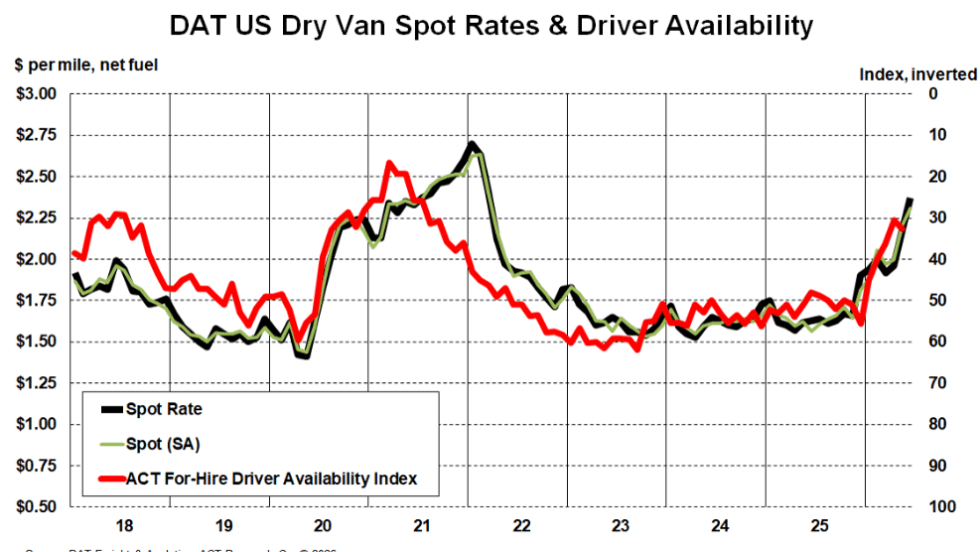
Truckload Rates Keep Rising as Tight Capacity Fuels Freight Market Recovery
Spot and contract rates continued climbing in May and June, not because freight demand is surging, but because fewer trucks and drivers are available.
Read More →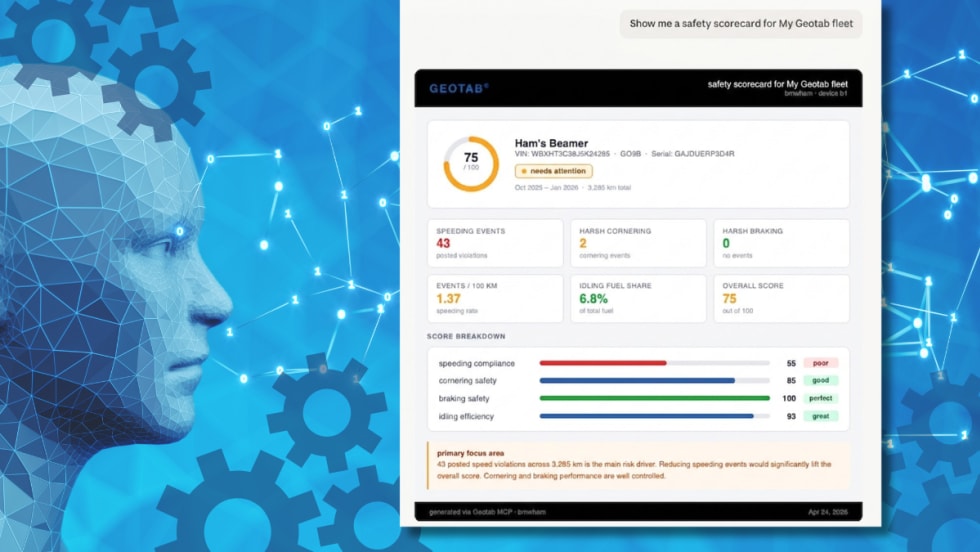
What Geotab's New AI Connector Means for Fleets
Fleets can now ask their usual AI assistants questions about maintenance, safety, fuel use, and vehicle performance, using their live Geotab data, and take action on the answers without leaving their preferred AI tool.
Read More →