




Spot Freight Rates Surge Over Past Week Following Best Month This Year
Spot truckload freight rates showed either a big improvement or turned in a disappointment over the past week while a monthly gauge of the market reveals its best performance of the year, according to DAT Solutions and its network of load boards.

Spot truckload freight rates showed either a big improvement or turned in a disappointment over the past week while a monthly gauge of the market reveals its best performance of the year, according to DAT Solutions and its network of load boards.
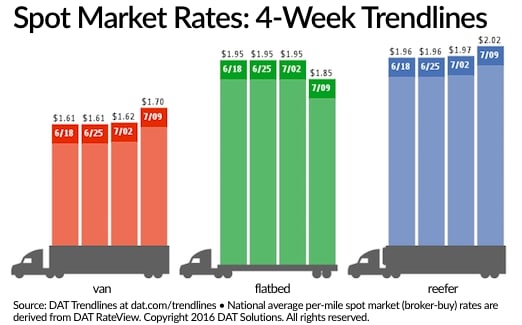
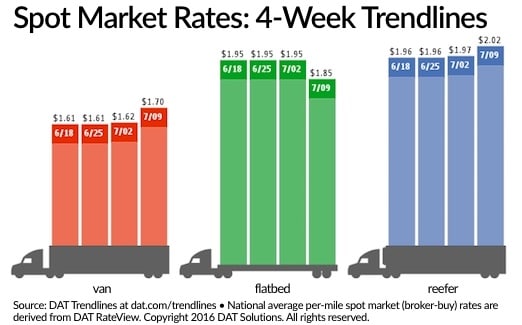
The average van rate increased 8 cents to $1.70 per mile for the week ending July 9 compared to the previous week, while the load to truck ratio improved 5.8% to 3.5 available loads per truck, its highest ratio so far this year.
Usually the ratio goes down in July but some truckers may have taken an extended holiday last week, according to DAT, which may have made it harder for shippers and brokers to find trucks. It could also be a signal of an improvement in the freight market, but it will be until next week to see if a trend starts developing.
In the reefer category, the average rate surged 5 cents to $2.02 per mile, the first time it has been beyond the $2 per mile level since October. DAT said the boost could be due to late harvests in California, where they had a very rainy winter that caused a delay in planting of some crops.
The reefer load-to-truck ratio improved 0.9% to 6.5 loads per truck as reefer load posts fell 18% and truck posts dropped 19%.
In sharp contrast, the average flatbed rate plummeted 10 cents over the past week to $1.85 per mile after holding steady at $1.95 per mile for the month of June.
Flatbed load posts declined 20% last week, the expected decline in a holiday week that included 20% fewer work days due to the Independence Day holiday. Capacity also fell 20%, leading to a slight dip in the load-to-truck ratio, from 15.7 to 15.6 loads per truck.
June Freight Index Jumps
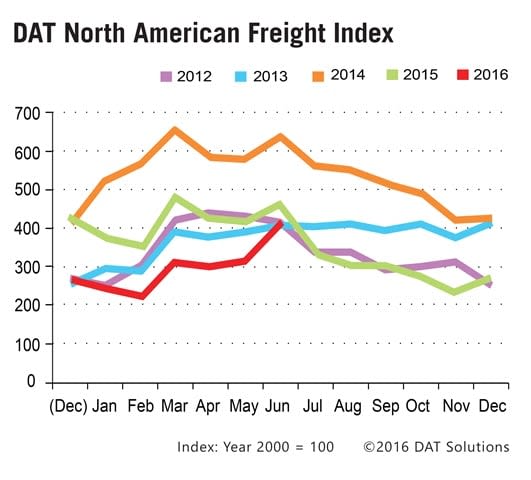
Meantime, DAT’s monthly gauge of the spot market, its North American Freight Index, increased in June as seasonal freight added 28% to spot market load availability, boosting total volume to levels seen in 2013 and 2012, and only 12% below the level of a year ago. (See graphic below.)
“It is typical for freight volume to increase in June and decline in July, but this year's surge also jump-started volume and rates in July to-date,” said DAT.
Month-over-month by equipment type, dry and refrigerated vans enjoyed the biggest volume increases, up 49% and 39%, respectively. Both segments had seen only single-digit increases in June of the previous four years. Flatbed freight increased only 7.1%, a more typical increase for the month.
Average line haul rates followed the same pattern on the spot market in June, with an increase of 4.4% for vans and 3.6% for reefers, while flatbed rates rose only 0.6%, month-over-month. The average fuel surcharge also increased 10%, compared to May. The surcharge, which is pegged to the retail price of diesel fuel, comprises a portion of the total rate paid to carriers.
On a year-over-year basis, van freight volume increased 3.4% compared to June 2015, the first year-over-year improvement for vans, which comprise a large majority of for-hire trucks, in any month since December 2014. Reefer freight availability declined 5.4%, however, and flatbeds lost 28%.
Line haul rates were lower for all equipment types, falling 11% for vans, 8.9% for reefers, and 7.5% for flatbeds compared to June 2015. Total carrier revenue was eroded further by a 28%, or 8 cents per mile, decline in the fuel surcharge compared to June 2015.
More Fleet Management

What Will ATA’s New Leader Bring to Trucking's Table?
Incoming President and CEO Mark Colson’s record in Alabama offers clues about his priorities and approach following Chris Spear’s abrupt departure as the head of the American Trucking Associations.
Read More →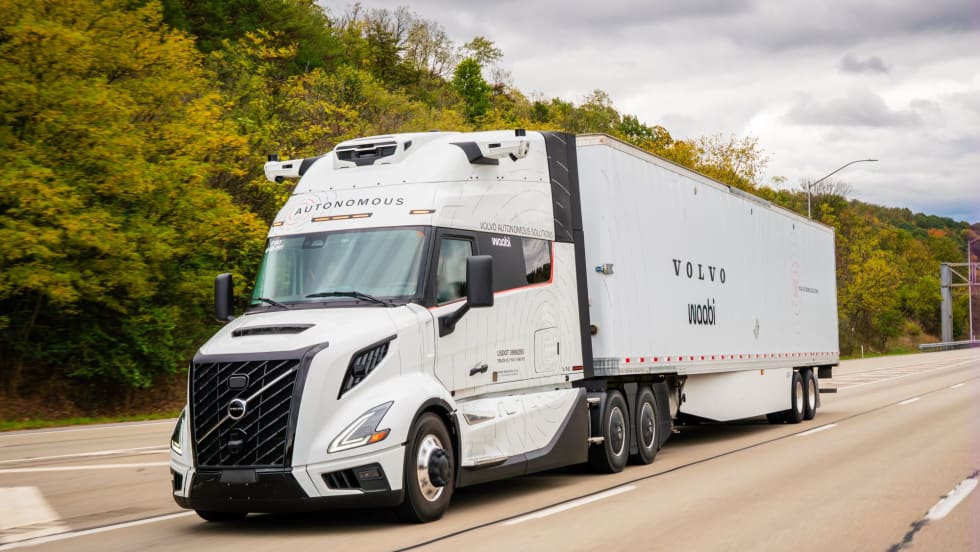
Volvo, Waabi Start Commercial Autonomous Operations in Texas
Volvo VNL Autonomous trucks, powered by the Waabi Driver, are hauling freight directly to third-party facilities for a customer in Texas.
Read More →
Samsara Launches Custom AI Agent Builder
Agent Studio lets fleets create AI tools for hours-of-service monitoring, reporting and driver support, including agents that communicate by phone.
Read More →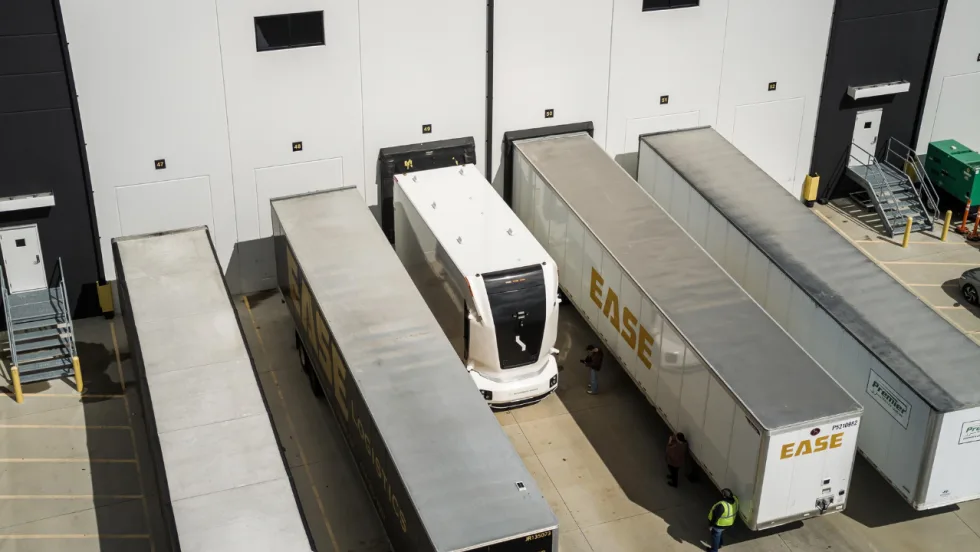
Einride Driverless Electric Trucks Begin Daily Freight Operations in Ohio
Two cabless electric trucks are hauling freight between EASE Logistics facilities in Marysville, Ohio, as part of a multi-state truck automation project.
Read More →
Geotab Links Fleet Card to Vehicle Data
The new card combines fuel discounts with telematics-based purchase controls. Geotab’s analysis also points to potential savings from choosing lower-priced fuel stops.
Read More →
How MFA Helps Protect Trucking Fleets
Multi-factor authentication adds protection when passwords are stolen. Here’s how it works and where fleets should start.
Read More →
How Better Freight Data Helps Trucking Teams Get Ahead of Disruption
Trucking and logistics teams have plenty of data. The problem is getting the right information in front of the right people soon enough to act. Better-connected data can help teams spot trouble earlier and make smarter decisions before small problems become big ones.
Read More →
Trimble: Taking Artificial Intelligence in Trucking Beyond Faster Tasks
At Insight 2026, Trimble executives argued that fleets may need to redesign workflows to get more from AI as it introduced new products and enhancements. AI’s value will depend on how fleets combine automation with their people's knowledge.
Read More →
Build a bulletproof fleet: Uniting ELDs and dash cams for total compliance
An ELD can prove compliance, but it cannot always prove what happened on the road. Discover how uniting accurate ELD data with AI-powered dash cam video can help your fleet strengthen compliance, defend against liability, protect drivers and reduce operational costs.
Read More →
Nominations Open for HDT Emerging Leaders
Heavy Duty Trucking is looking for accomplished trucking fleet professionals under 40 who are making an impact and helping lead the industry forward.
Read More →