




Truck Cargo Thefts on The Rise
The number of truck cargo thefts in the U.S. increased in the first quarter of the year but the average value of each heist declined, according to a new report from the logistics security services provider FreightWatch International.

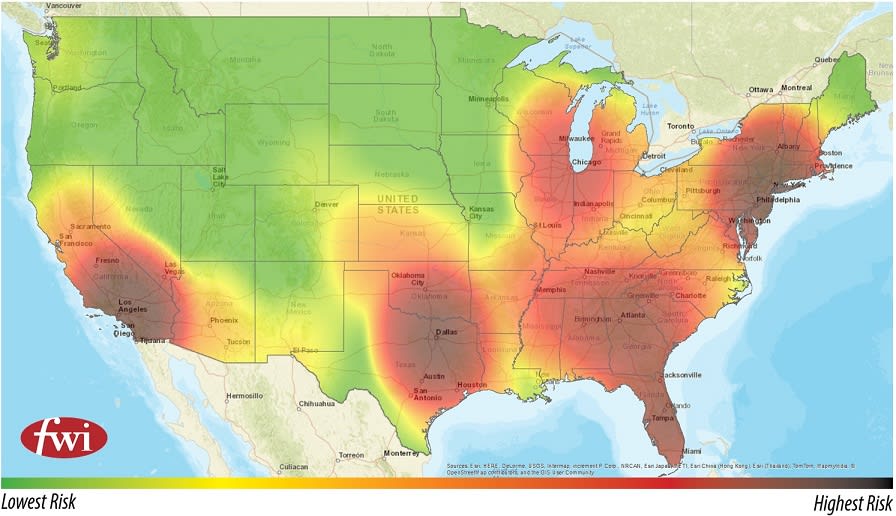
In the first quarter of 2016, the FreightWatch International Supply Chain Intelligence Center recorded a total of 221 cargo thefts in the United States. During this time, 66 of these incidents occurred in January, 90 in February and 65 happened in March. Graphic: FWI
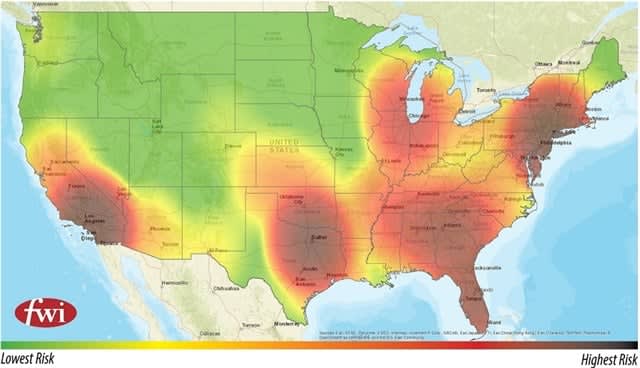
In the first quarter of 2016, the FreightWatch International Supply Chain Intelligence Center recorded a total of 221 cargo thefts in the United States. During this time, 66 of these incidents occurred in January, 90 in February and 65 happened in March.Graphic: FWI
The number of truck cargo thefts in the U.S. increased in the first quarter of the year but the average value of each heist declined, according to a new report from the logistics security services provider FreightWatch International.
It recorded a total of 221 cargo thefts, an increase of 13% from the fourth quarter of 2015 and up 8% compared to the first quarter of last year. However, the average loss value per incident fell to $112.467, down 13% from the previous quarter and a 56% decline from a year earlier.
The decline in the average loss value, according to FreightWatch, is likely due to it recording no theft valued at more than $1 million in this latest quarter, versus two in the final quarter of 2015 and seven in the first quarter of last year.
“It is becoming evident that thieves have learned to avoid risk by targeting lower value shipments that have less security procedures in place, and compensating for the decreasing value with an increasing theft volume,” FreightWatch said in the report.
Food and drinks continued to be the most stolen product type in the first quarter of the year, accounting for 20% of total thefts in the U.S. during this time. Products that were primarily targeted in this category include meats plus canned and dry goods, making up nearly half of these thefts. Thefts of home and garden products ranked as the second most stolen product type, as electronics dropped from its typical number two spot to sixth.
Clothing and shoes recorded the highest average value in this quarter with $388,125, 19% higher than the first quarter of 2015. Tobacco came in second at $183,333, an 83% increase over the previous quarter. Several other product types experienced increases in average value, such as auto and parts, building and industrial, metals and personal care.
“As the oil and gas industry continues to suffer its deepest downturn since the 1990s, profits and earnings continue to fall causing companies to decommission heavy construction vehicles resulting in a plethora of associated industrial equipment and supplies to stand idle and vulnerable to theft,” FreightWatch said.
It recorded a dramatic increase in the theft of building and industrial products by 222% from the fourth quarter of 2015 and by 263% from the first quarter of last year. FreightWatch also noted a correlation between geographical surges in stolen building supplies in states where the housing market continues to grow, most notably in Texas.
California ranked as the top state for cargo theft with 21% of total thefts, followed by Texas with 15% of heists. Florida ranked a close third with a 66% increase in thefts from the final quarter of 2015 followed by New Jersey at 13% and Georgia with 7% of thefts to round out the top five. Alabama made a notable appearance, ranking seventh with only 3% of total thefts but it experienced a 600% and 250% increase, from the 2015 fourth and first quarters, respectively, as 43% of its thefts were in the building and industrial category.
Full truckload incidents continued as the most prevalent method of theft during the first quarter of this year with 83% of all reported thefts. Pilferage, a theft type commonly used by organized cargo thieves and opportunistic criminals, accounted for 9% of total thefts. Fictitious pickups recorded 5% of thefts, a 48% decrease from the final quarter of 2015 but a 32% increase from the first quarter of last year 2015.
The most prevalent location for large-scale cargo thefts continued to be unsecured parking areas, identified in 89% of incidents in which a location type was declared. Thefts from warehouse/distribution center location types came in second with 6% of thefts and secured parking areas accounted for 5% of thefts.
The full report is on the FreightWatch International website.
More Fleet Management

Color Match Smarter: Tools That Restore & Perform
For fleet managers and collision repair professionals keeping heavy-duty trucks on the road, getting the color right the first time isn't just about appearance — it's about efficiency, turnaround time, and bottom-line results. Discover how today's digital color tools are transforming the repair process from guesswork to precision.
Read More →
FMCSA Pauses Biennial-Update Enforcement Amid Motus Transition
Carriers whose updates were due on or after June 1 have more time, while FMCSA works to stabilize its new registration system and warns of phishing sites impersonating its new carrier registration system, Motus.
Read More →
2026 Blueprint for Countering Smarter Supply Chain Theft
Cargo theft is no longer just the cost of doing business. It's a multi-billion-dollar criminal enterprise exploiting vulnerabilities across your fleet, drivers, and supply chain.
Read More →


How Telematics Improves Visibility, Control, and Performance in Refrigerated Fleets
Explore how telematics help refrigerated fleets improve visibility, uptime, efficiency, compliance, and cargo protection across connected cold chain operations.
Read More →
What the U.S.-Canada Trade War Means for Trucking
Escalating U.S.-Canada tariffs could disrupt cross-border freight, reduce truck volumes, raise costs, and create new uncertainty for carriers on both sides of the border.
Read More →
What Are Trucking’s Top Concerns for 2026?
The American Transportation Research Institute wants to know what's worrying trucking fleet managers, drivers, and other stakeholders in its annual Industry Issues survey.
Read More →
American Trucking Associations Looks for a New Leader
ATA President and CEO Chris Spear abruptly left his job at the association on August 21, at a pivotal time for the trucking industry.
Read More →
Public Wi-Fi Cybersecurity Risks: How Truck Drivers and Fleets Can Protect Their Data
Public Wi-Fi can expose truck drivers and fleets to credential theft, malware, and other cyber threats. Here’s how to reduce the risk on the road.
Read More →
For Nicky Cupp, Fleet Innovation Starts With Frustration
HDT Truck Fleet Innovator Nicky Cupp turns everyday pain points at Fraley & Schilling into opportunities for better technology and smarter processes.
Read More →
Adam Buttgenbach’s Approach to Electric Trucks: Start With Where They Fit
HDT Truck Fleet Innovator Adam Buttgenbach helped PepsiCo build one of North America’s largest EV fleets by focusing on where electric trucks make operational sense.
Read More →