




Fatal Truck-Involved Crashes Drop, But Injury Crashes Increase
The number of large trucks involved in fatal crashes decreased by 5%, from 3,921 to 3,744, in 2014 vs. 2013, according to the Federal Motor Carrier Safety Administration’s latest annual Large Truck and Bus Crash Facts report.


Photo: FMCSA

The number of large trucks involved in fatal crashes decreased by 5%, from 3,921 to 3,744, in 2014 vs. 2013, according to the Federal Motor Carrier Safety Administration’s latest annualLarge Truck and Bus Crash Facts report. And the rate of large trucks involved in fatal crashes over that period declined by 6%.
Reinforcing those positive developments, the agency’s analysis of crash statistics also found that vehicle miles traveled (VMT) increased 1.5% year-over-year for large trucks.
On the other hand, the report also determined that from 2013 to 2014, the number of large trucks involved in injury crashes climbed by 21%, from 73,000 to 88,000. The large truck involvement rate in injury crashes rose as well by 21%. Also up was the number of large trucks involved in property-damage-only crashes, jumping from 265,000 to 346,000— making for a 31% hike.
Other noteworthy statistics from the exhaustive report include:
There were 657 large truck occupant fatalities in 2014, of which 90% were drivers of large trucks and 10% were passengers in large trucks.
Of the approximately 411,000 police-reported crashes involving large trucks in 2014, 3,424 (1%) resulted in at least one fatality, and 82,000 (20%) resulted in at least one nonfatal injury.
Approximately 6% of all fatal crashes involving large trucks occurred on rural roads and 26% on rural or urban Interstate highways.
37% of all fatal crashes, 19% of all injury crashes, and 20% of all property-damage-only crashes involving large trucks occurred at night (6:00 pm to 6:00 am).
Most fatal crashes (84%) and nonfatal crashes (88%) involving large trucks occurred on weekdays (Monday through Friday).
Rollover was the first “harmful event” in 5% of all fatal crashes involving large trucks and 2% of all nonfatal crashes involving large trucks.
“Singles” (truck tractors pulling a single semi-trailer) accounted for 63% of the large trucks involved in fatal crashes in 2013; Doubles (tractors pulling two trailers) made up 2% of the large trucks involved in fatal crashes; and Triples (tractors pulling three trailers) accounted for 0.1% of all large trucks involved in fatal crashes.
Of the 3,697 drivers of large trucks involved in fatal crashes in 2014, 202 (5%) were 25 years of age or younger, and 216 (6 %) were 66 years of age or older.
Of the 3,697 drivers of large trucks involved in fatal crashes in 2014, 335 (9%) were not wearing a safety belt at the time of the crash; of those, 30% were completely or partially ejected from the vehicle.
“Speeding of Any Kind” was the most frequent driver-related factor for drivers of both large trucks and passenger vehicles, “Distraction/Inattention” was the second most common for large truck drivers.
The online edition of Large Truck and Bus Crash Facts provides Excel files containing data for each of the report's numerous data tables and graphs.
A printable version of the complete report is also available for dowloading from FMCSA.
More Fleet Management

Long-Awaited Canadian Border Bridge to Open in Detroit
For trucking, the bridge opening should offer immediate improvements in efficiency and reliability, with new customs facilities, expanded inspection capacity, and direct freeway-to-freeway connections.
Read More →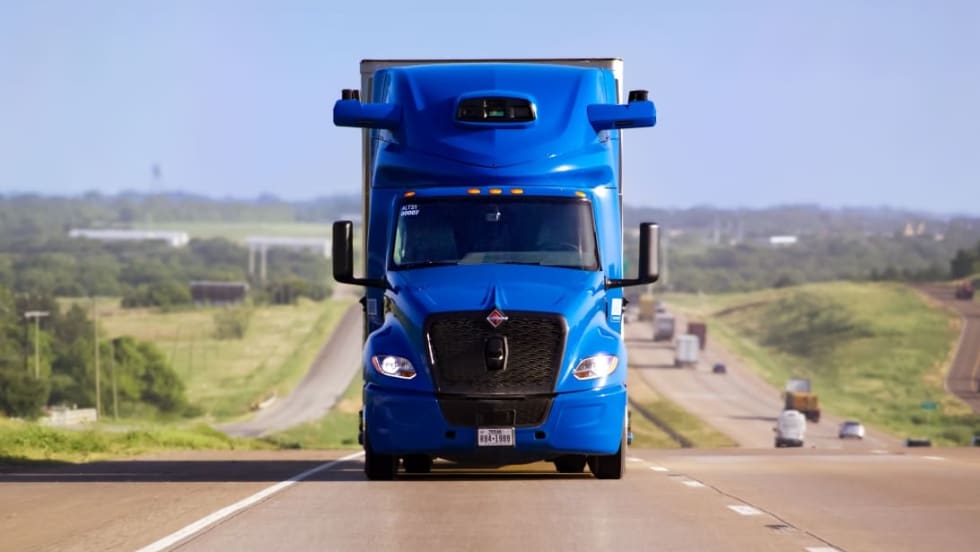
Aurora Rolls Out Next Generation of Driverless Trucks for Commercial Freight
Aurora's latest autonomous trucks it's rolling out with International feature lower-cost hardware designed for a million miles as the company expands commercial driverless freight operations across the U.S. Sun Belt.
Read More →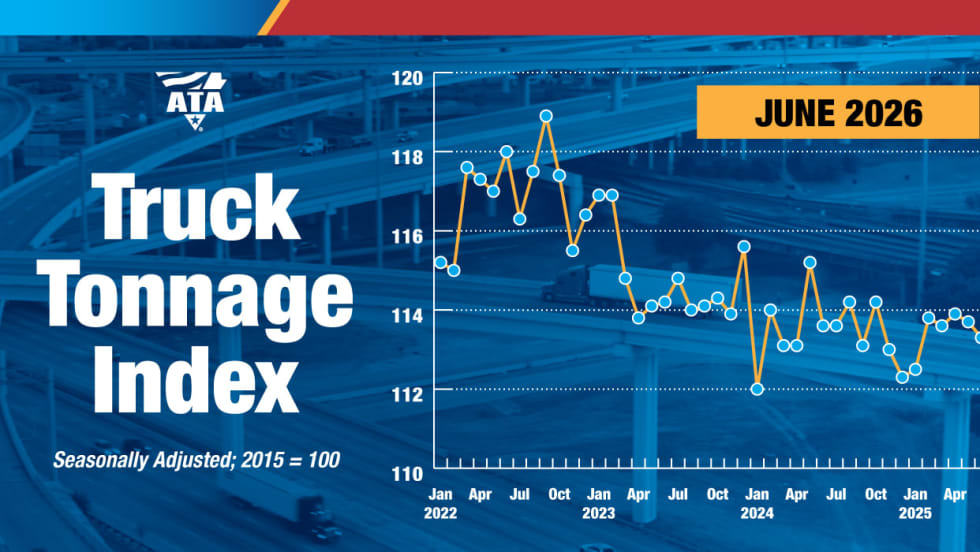
Freight Tonnage Down, Rates up, as Lower Capacity Powers Trucking Recovery
The recovery from the freight recession continues to be driven by reduction in capacity rather than by increased demand.
Read More →

Think Your Trucking Fleet Isn't Using Much AI? Think Again
Shadow AI — the use of unauthorized artificial intelligence tools at work — is becoming increasingly common, putting sensitive company data at risk. Learn how trucking fleets can protect sensitive data while embracing AI.
Read More →
ArcBest Consolidates Brands, Cuts Workforce
The company will bring three business units under the ArcBest brand, eliminate about 2% of positions, and expects the changes to generate $40 million in annual savings.
Read More →
Trucking Fleets Faced Record Operating Costs During Third Year of Freight Recession
ATRI's annual operational cost report shows carriers trimmed fleets, delayed equipment purchases, and ran older trucks as expenses continued to outpace freight rates.
Read More →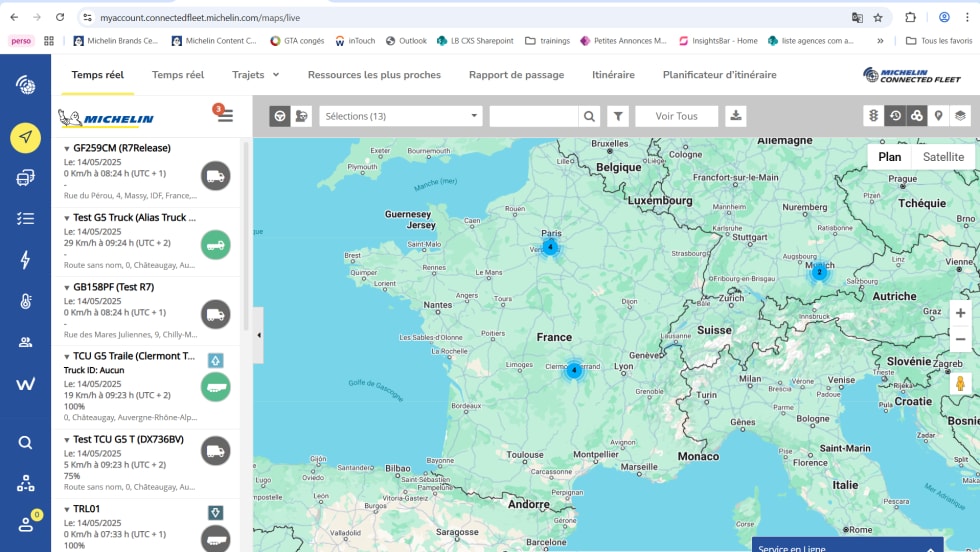
Michelin Adds AI Assistant to MyConnectedFleet Platform
Michelin’s new generative AI tool delivers instant fleet insights, helping managers analyze fuel use, tire maintenance, vehicle status, and operational performance without manually creating reports.
Read More →
LytxOne Platform Now Features AI, Compliance, and Asset Tracking Tools
New enhancements add AI-powered insights, asset tracking, compliance automation, and configurable privacy controls to Lytx's all-in-one fleet management platform.
Read More →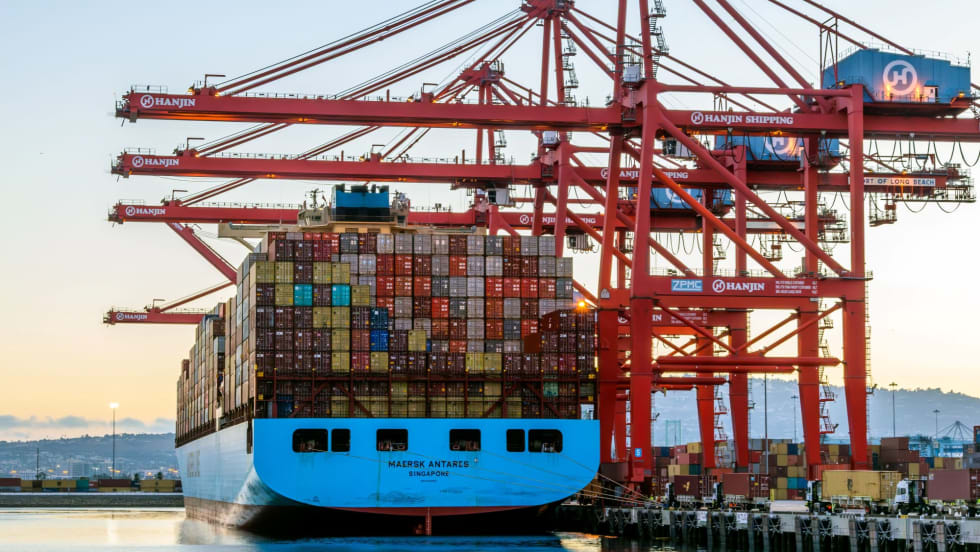
July Imports Poised to Set Container Record
The National Retail Federation projects July container imports will surpass the pandemic-era record as shippers frontload freight ahead of expected August tariff increases.
Read More →
HDT Announces 2026 Truck Fleet Innovator Finalists
From AI and fleet electrification to safety, operations, and leadership, these HDT Truck Fleet Innovator finalists are changing how trucking gets done.
Read More →