




DOT: Study Too Limited to Impact Truck Size/Weight Policy
"Much Ado About Nothing" might also serve as the subtitle of the long-awaited Comprehensive Truck Size and Weight Limits Study that the Department of Transportation has finally released to Congress, almost four years after it was mandated to do so by the MAP-21 highway bill.

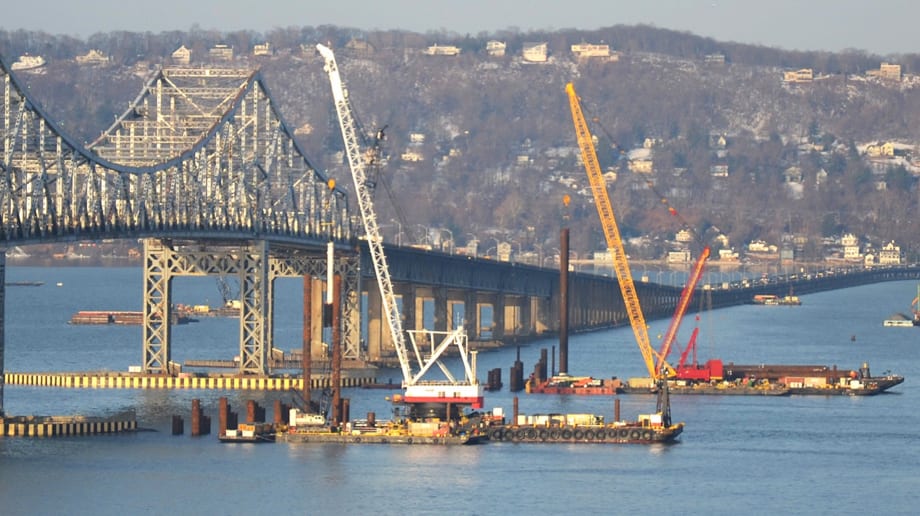
Construction on the Tappan Zee Bridge that spans the Hudson River noth of New York City. Photo: U.S. DOT

Much Ado About Nothing might also serve as the subtitle of the long-awaited Comprehensive Truck Size and Weight Limits Study that the Department of Transportation has finally released to Congress, almost four years after it was mandated to do so by the MAP-21 highway bill.
DOT said on April 14 that the report, intended to study issues around trucks operating “within and in excess of” current size and weight limits, “concludes that additional data analysis is necessary to fully understand the impacts of heavier and larger trucks on the transportation system.”
DOT also revealed it has determined that “the data limitations [related to truck size and weight rules] are so profound that no changes in the relevant laws and regulations should be considered until these limitations are overcome.”
In the report itself, DOT stated that “in a study in which there are so many components that cover different topics, there is no single bottom-line finding. One cannot responsibly take the figures derived from the discrete study areas and come up with a summary result that would yield a clear policy decision."
Noting that the study was designed to meet MAP-21 requirements, DOT said “it did not seek to satisfy the policy question as to whether a change in allowable truck sizes or weights would yield positive impacts that could outweigh negative impacts.” Rather, researchers “looked at the magnitude of potential impacts if changes were implemented.”
DOT contends that “a more robust study effort” should be launched that starts “with the design of a research program that can identify the areas, mechanisms, and practices needed to establish new data sets and models to advance the state of practice.”
With that assessment in mind, DOT closes the report with a set of recommended areas of research:
Truck Weight Data in Crash Databases. Most crash data systems don't do a good job in precise identification of longer or heavier trucks. Protocols and requirements for weight data for individual trucks in crash databases are needed for comparison of trucks at specific weights.
Truck Configuration Data in Crash Databases. Data to identify the truck configuration are needed in state crash databases, including count of trailers, a count of total axles, and the length of each trailer for combination vehicles involved in crashes.
Weigh-In-Motion (WIM) Coverage. WIM equipment can be used to collect data on such factors as vehicle and axle weights, axle spacing, speed, and vehicle class. WIM data was predominately available for the Interstate System but was very limited for other NHS roadways. The locations of WIM constrained the crash analysis to rural and urban Interstates. An increase in geographic coverage of vehicle classification count and WIM data are needed.
Longitudinal Barriers. Longitudinal barriers for use in federally funded highway projects are currently evaluated based on a series of crash tests where the maximum GVW is 80,000 pounds for a tractor-semitrailer combination. An analytical framework and related tools are needed to measure the impacts that trucks weighing more than 80,000 pounds would have on roadway barriers.
Motor Carrier Management Information System. Truck configurations examined in this study were limited to those available within the MCMIS inspection file. Quality control and assurance of data input by field inspectors in Gross Vehicle/Combination Weight field in the MCMIS is needed.
Annual Certifications and State Enforcement Plans. Much of the available cost data reflects the allocation of resources for both truck size and weight and commercial vehicle safety enforcement. Truck weight enforcement program costs need to be identified separately from overall truck safety enforcement costs. In addition, it would help if data submitted by the states in Annual Certifications and State Enforcement Plans were required to separate the person-hours or program costs attributed specifically to weighing trucks.
Vehicle Inventory and Use Survey. The VIUS was last conducted in 2002 and was an important source of data on characteristics of the trucking industry. Updating and restoring the VIUS should be considered as a federal initiative.
Intermodal Transportation and Inventory Costing Model. Even with robust data, actual market responses to changes in truck size and weight are difficult to predict. However, a review of the ITIC model should be undertaken to determine whether additional variables and/or alternative approaches would better reflect real-world mode choice decisions.
Short Line Railroads. There are around 560 short line railroads operating in the U.S. Certain alternative truck configurations could have noticeable impact on these railroads, so the study recommends research to construct a framework for modeling the impacts of changes in truck size and weight on regional and short line railroads.
Truck Rate Survey. Understanding truck rates and costs across various trade lanes and commodities is a fundamental input to modal shift analysis. The lack of comprehensive and current rates inhibits some aspects of analysis. A framework and process for frequent collection of truck rate data is needed.
Bridge Damage Cost Allocation Methodology. There is no generally accepted and applied approach for measuring the cost effects of heavy vehicles on bridges on a national scale. A methodology for bridge damage cost allocation and bridge deterioration by truck class is needed.
Long-Term Bridge Performance Program. It's important for the Federal Highway Administration to develop the data needed to build bridge deck deterioration modeling capacity. The LTBPP is in the process of collecting a significant amount of data useful in understanding bridge deck performance and heavy vehicle interactions.
Local Bridges. Development of methodology and an analysis of the impacts that changes in federal truck size and weight limits would have on local bridges are needed.
Local Roads. The study focused on Interstate and NHS highways, since they carry the most truck traffic. However, there is a higher percentage of county-, city-, and municipal-owned roads in the United States than the higher classification roadway networks where most of the truck VMT occurs. Data from local roads and hard data on how many trucks and how often they are using the lower-order facilities is not readily available.
In the report's conclusion, DOT stated that the study’s findings “can inform the debate on these matters but do not provide definitive evidence or direction to support any specific new change of direction in the areas of truck size and weight limitations. This work has helped identify the areas in which we are reminded that we need to know more, and that new technologies for data collection and sharing can offer us improved mechanisms for growing that knowledge.”
Even before the CTWS study was completed, it was criticized in a peer review conducted by the Transportation Research Board for falling short in how it estimates the impact that changes to federal size and weight limits might have on everything from pavement wear to highway safety. DOT had requested TRB to convene a committee to review the study.
In its report, issued back in October, TRB said the study “lacks a consistent and complete quantitative summary of the alternative configuration scenarios, and major categories of costs – such as expected bridge structural costs, frequency of crashes, and infrastructure costs on certain roads – are not estimated.”
More Fleet Management

Long-Awaited Canadian Border Bridge to Open in Detroit
For trucking, the bridge opening should offer immediate improvements in efficiency and reliability, with new customs facilities, expanded inspection capacity, and direct freeway-to-freeway connections.
Read More →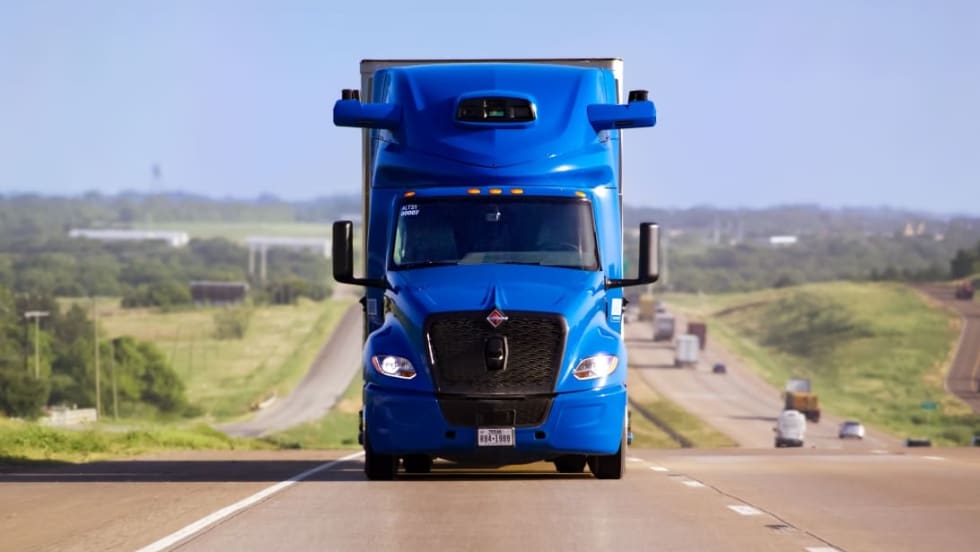
Aurora Rolls Out Next Generation of Driverless Trucks for Commercial Freight
Aurora's latest autonomous trucks it's rolling out with International feature lower-cost hardware designed for a million miles as the company expands commercial driverless freight operations across the U.S. Sun Belt.
Read More →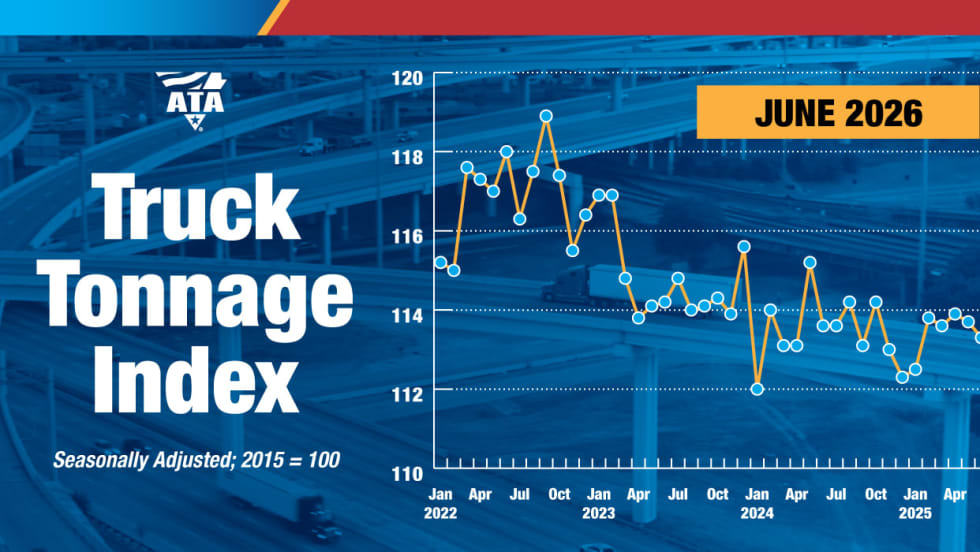
Freight Tonnage Down, Rates up, as Lower Capacity Powers Trucking Recovery
The recovery from the freight recession continues to be driven by reduction in capacity rather than by increased demand.
Read More →

Think Your Trucking Fleet Isn't Using Much AI? Think Again
Shadow AI — the use of unauthorized artificial intelligence tools at work — is becoming increasingly common, putting sensitive company data at risk. Learn how trucking fleets can protect sensitive data while embracing AI.
Read More →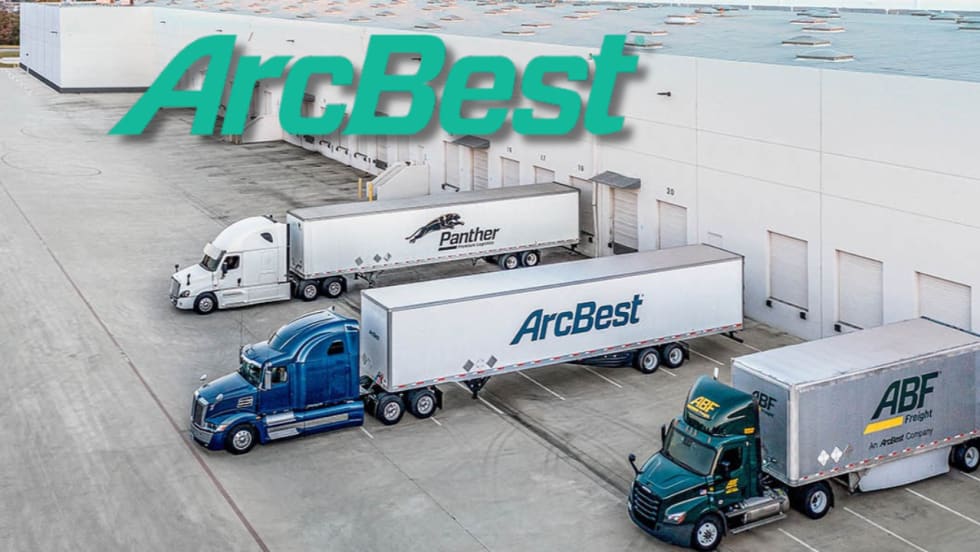
ArcBest Consolidates Brands, Cuts Workforce
The company will bring three business units under the ArcBest brand, eliminate about 2% of positions, and expects the changes to generate $40 million in annual savings.
Read More →
Trucking Fleets Faced Record Operating Costs During Third Year of Freight Recession
ATRI's annual operational cost report shows carriers trimmed fleets, delayed equipment purchases, and ran older trucks as expenses continued to outpace freight rates.
Read More →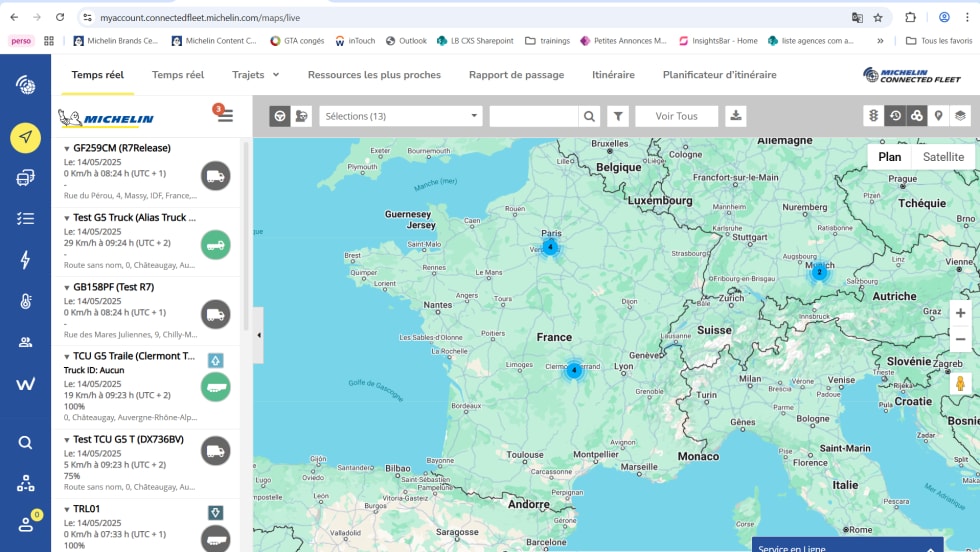
Michelin Adds AI Assistant to MyConnectedFleet Platform
Michelin’s new generative AI tool delivers instant fleet insights, helping managers analyze fuel use, tire maintenance, vehicle status, and operational performance without manually creating reports.
Read More →
LytxOne Platform Now Features AI, Compliance, and Asset Tracking Tools
New enhancements add AI-powered insights, asset tracking, compliance automation, and configurable privacy controls to Lytx's all-in-one fleet management platform.
Read More →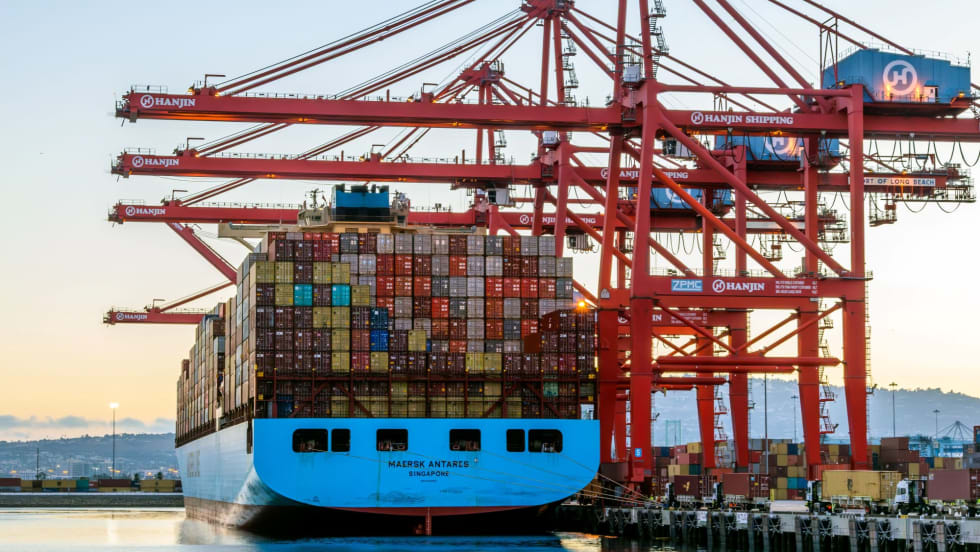
July Imports Poised to Set Container Record
The National Retail Federation projects July container imports will surpass the pandemic-era record as shippers frontload freight ahead of expected August tariff increases.
Read More →
HDT Announces 2026 Truck Fleet Innovator Finalists
From AI and fleet electrification to safety, operations, and leadership, these HDT Truck Fleet Innovator finalists are changing how trucking gets done.
Read More →