




Cargo Theft Incidents Fall, Average Value Up
The number of cargo thefts in the U.S posted a significant decline in the third quarter of the year but the average value of each crime moved up slightly, as big-value heists jumped, according to logistics-security services provider FreightWatch International.

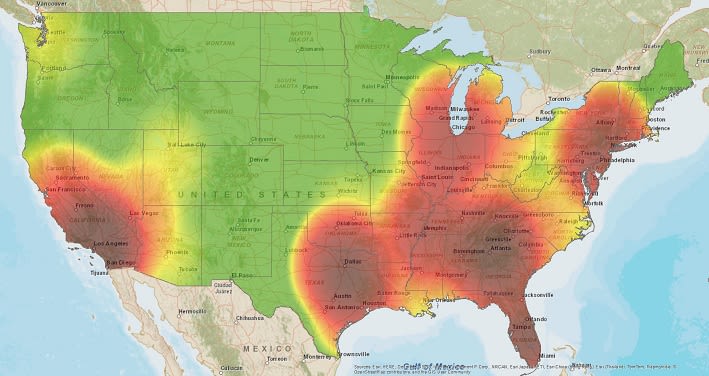
The most intensely shaded areas show where cargo thefts happened the most during the third quarter of 2015. Graphic: FWI

The number of cargo thefts in the U.S posted a significant decline in the third quarter of the year but the average value of each crime moved up slightly, as big-value heists jumped, according to logistics-security services provider FreightWatch International.
A total of 152 cargo thefts were recorded with 63 of these incidents occurring in July, 57 in August, and 32 in September. The total is down 18% from the second quarter and 24% lower than compared to the third quarter of 2014.
The average loss value per incident during this time was $199,467, a 7% increase in value from the second quarter, but was skewed by a single large facility theft. If this value is removed, the average value fell 3% year-over-year.
There were nine recorded high-dollar heists in the third quarter, those valued at more than $1 million, compared to five in the second quarter of this year and one during the third quarter of 2015.
Food and drinks continued to be the most stolen product type in the third quarter, with 22% of total thefts in the U.S. during this time. Products that were primarily targeted in this category include meats and nuts. Electronics, whose largest share of thefts were comprised of televisions and displays, ranked as the second most stolen product type, with 12% of the total.
There are two product types that experienced elevated theft volume from the previous quarter as well as the same quarter last year. Pharmaceuticals increased its count of thefts over both the previous quarter and the same quarter of last year by 125% and 350%, respectively. In terms of theft volume, tobacco rose by 50% and 200% over second quarter this year and a year earlier, respectively.
California ranks as the top state for cargo theft with 20% of total thefts in the third quarter, a decrease of 6% from this year’s second quarter total and a drop of 26% from the third quarter of 2014. Texas with 16% of the total, came in second during the third quarter, while Florida ranked third in this quarter with 15% of the total.
One noteworthy state on this list is Nevada, which is making its first-ever appearance in the top 10 at ninth place with 2% of the total, with all heists being facility thefts of electronics.
Unsecured parking was the most prevalent location for large-scale cargo thefts and was identified in 82% of reported incidents. Of these thefts, 26% occurred at public parking facilities and another 16% each from truckstops and roadsides.
Incidents involving theft of full truckload continued to be the most prevalent method of theft during the third quarter, with 81% of all reported thefts.
The full report is available from the FreightWatch International website.
More Fleet Management

How Innovative Trucking Leaders Turn Change Into an Advantage
As the pace of change accelerates in trucking, the fleets that adapt best have more than the latest technology. They have cultures that embrace improvement.
Read More →
Freight Broker Bonds Just Got Harder to Get. Here's What That Means for Your Fleet.
When it gets harder for a freight broker to prove they are financially sound, the ones who cannot clear that bar get pushed out of the market. And those are exactly the brokers who used to leave motor carriers holding the bag.
Read More →
Long-Awaited Canadian Border Bridge to Open in Detroit
For trucking, the bridge opening should offer immediate improvements in efficiency and reliability, with new customs facilities, expanded inspection capacity, and direct freeway-to-freeway connections.
Read More →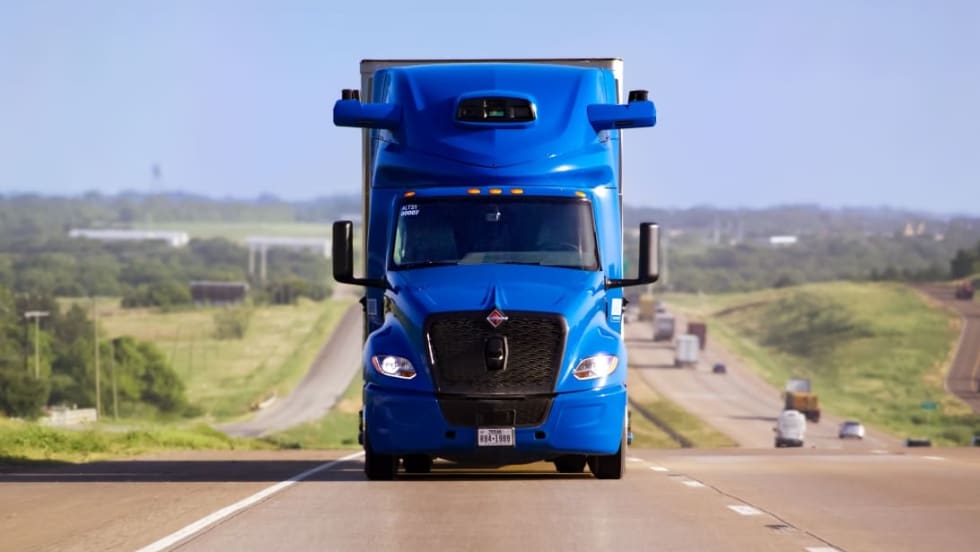
Aurora Rolls Out Next Generation of Driverless Trucks for Commercial Freight
Aurora's latest autonomous trucks it's rolling out with International feature lower-cost hardware designed for a million miles as the company expands commercial driverless freight operations across the U.S. Sun Belt.
Read More →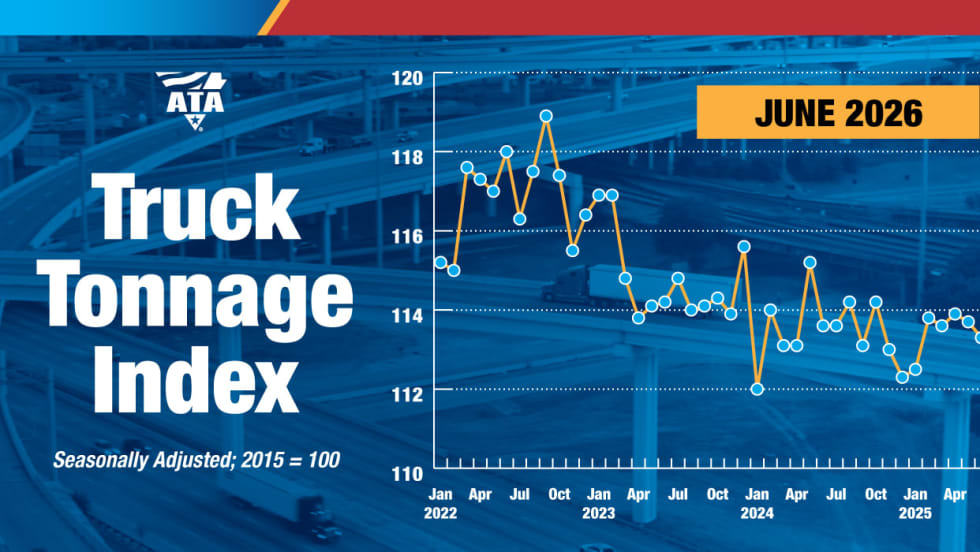
Freight Tonnage Down, Rates up, as Lower Capacity Powers Trucking Recovery
The recovery from the freight recession continues to be driven by reduction in capacity rather than by increased demand.
Read More →
Think Your Trucking Fleet Isn't Using Much AI? Think Again
Shadow AI — the use of unauthorized artificial intelligence tools at work — is becoming increasingly common, putting sensitive company data at risk. Learn how trucking fleets can protect sensitive data while embracing AI.
Read More →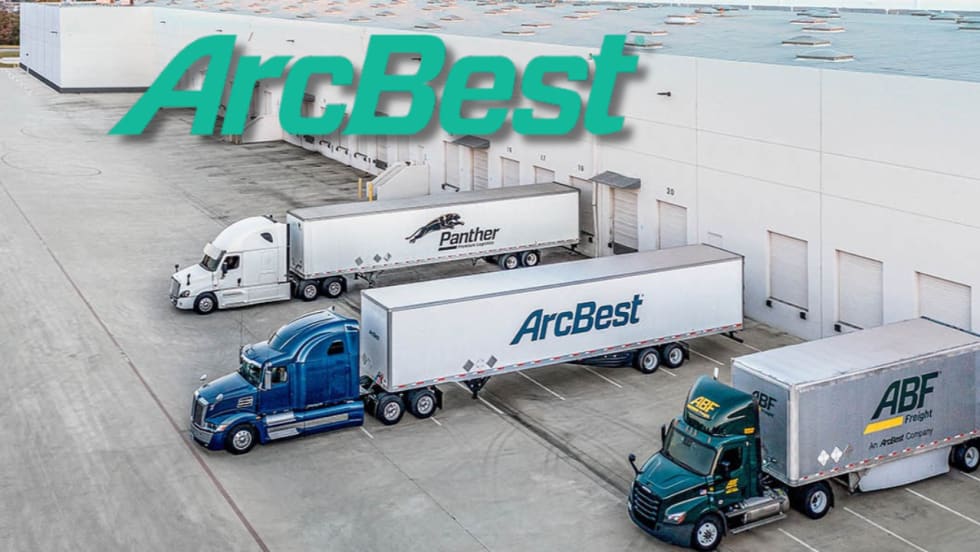
ArcBest Consolidates Brands, Cuts Workforce
The company will bring three business units under the ArcBest brand, eliminate about 2% of positions, and expects the changes to generate $40 million in annual savings.
Read More →
Trucking Fleets Faced Record Operating Costs During Third Year of Freight Recession
ATRI's annual operational cost report shows carriers trimmed fleets, delayed equipment purchases, and ran older trucks as expenses continued to outpace freight rates.
Read More →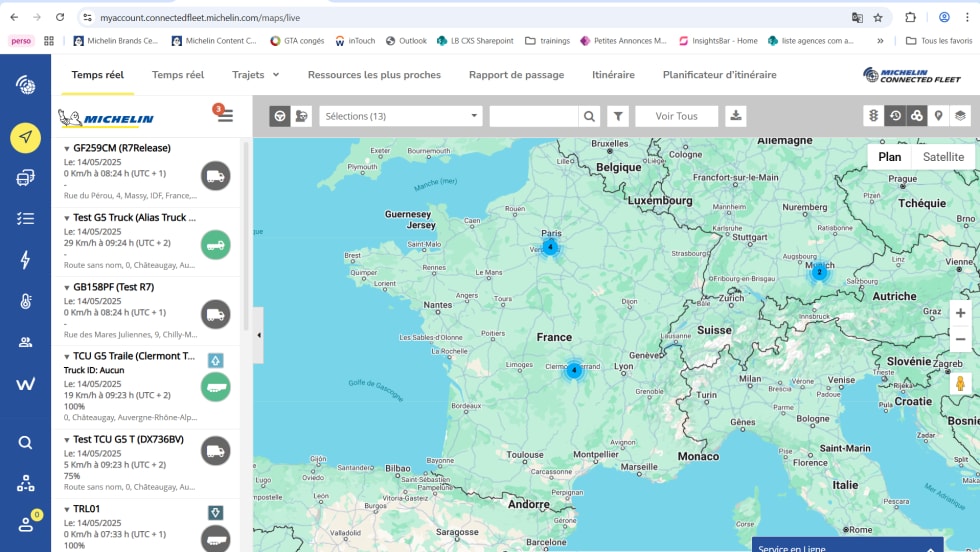
Michelin Adds AI Assistant to MyConnectedFleet Platform
Michelin’s new generative AI tool delivers instant fleet insights, helping managers analyze fuel use, tire maintenance, vehicle status, and operational performance without manually creating reports.
Read More →
LytxOne Platform Now Features AI, Compliance, and Asset Tracking Tools
New enhancements add AI-powered insights, asset tracking, compliance automation, and configurable privacy controls to Lytx's all-in-one fleet management platform.
Read More →