




Hours of Service: Trucking’s Top Concern – Again
For the third year in a row, a survey of carriers and drivers has found that Hours of Service rules stand out as the biggest concern facing trucking in the U.S. and Canada.

Image: ATRI
Image: ATRI
PHILADELPHIA — For the third year in a row, a survey of carriers and drivers has found that Hours of Service rules stand out as the biggest concern facing trucking in the U.S. and Canada.
That’s per the American Transportation Research Institute’s annual list of trucking’s top-ten critical issues, presented here at the American Trucking Associations' Management Conference & Exhibition.
HOS tops the list again. ATRI said this time around its prominence as a key issue is being driven principally by the “uncertainty surrounding the future of the regulations” as well as “concern over the uncertain future of the current suspension of the [HOS] rules." By contrast, for the past two years, it was the substantial impact HOS was having on supply chains that kept it ranked first.
“Significant negative impacts on the industry from the 34-hour restart provisions first implemented in July 2013 have been documented by numerous sources,” the report states. “In its own research, ATRI found that 80 percent of motor carriers indicated a loss of productivity directly attributable to the now-suspended rules, and driver pay impacts were estimated to range from $1.6 billion to $3.9 billion annually. Although the restart provisions were suspended by Congress in December 2014, concern over their reinstatement continues pending FMCSA’s release of the results of its second field study.”
The Federal Motor Carrier Safety Administration’s “continued challenges with its Compliance, Safety, Accountability program” jumped a slot to take second place this year.
ATRI pointed out that CSA as a concern moved up in the face of both carriers and drivers continuing to question the relationship between the scores the program generates and safety performance.
“Research has documented that CSA’s safety measures, the seven Behavioral Analysis and Safety Improvement Categories under which carriers and drivers are scored, are not a good predictor of carrier crash risk,” the report points out. “Additionally, there are disparities in how states collect and report safety performance data, and shippers are potentially misusing the data in the selection of carriers to haul freight. There is also a concern with the use of CSA scores as part of a Safety Fitness Determination proposed rulemaking.”
The driver shortage came in third. Not surprisingly, given, as ATRI noted, the “inability of carriers to find enough qualified drivers to meet the nation’s freight demand.” Right up there with it and retaining its number-four slot was concern about driver retention.
Having access to safe truck parking rounded out the top five issues on the list. ATRI advised that since first appearing as an issue in the survey, “parking has been on the rise as an industry concern. It initially ranked 8th in the 2012 survey and has steadily climbed to the top five issues.”
Completing the top ten in order of importance are the concerns raised by: electronic logging devices; driver health/wellness; the economy; transportation infrastructure/congestion/funding; and, lastly, driver distraction.
ATRI said the survey generated 1,388 complete responses, a 21 percent increase over last year. Respondents represented industry stakeholders from both the U.S. and Canada and included motor carriers and commercial drivers.
Along with ranking the issues, respondents ranked three strategies presented to them designed to address their selected issues. The ATRI report, which was commissioned by the American Trucking Associations, including the specific strategies for addressing each issue, will be used by the ATA Federation “to better focus its advocacy role.”
“There is perhaps no better benchmark for the challenges we face as motor carriers and drivers than ATRI’s annual survey of top industry issues,” noted ATA Chairman Duane Long, chairman of Longistics, Raleigh, N.C.
“As issues climb in ranking each year, so does our collective need to aggressively identify solutions to address those issues," he added.
A copy of the survey results is available from ATRI.
More Fleet Management
Motive Adds AI Agents for Fleet Operations
New tools automate follow-up on fleet data, from maintenance work orders to driver alerts, with two-way voice conversations planned for later this year.
Read More →
Can You Beat Our Trucking Trivia Challenge?
Test your truck knowledge with 19 trivia questions from Heavy Duty Trucking Exchange. Can you keep up with the fleet pros?
Read More →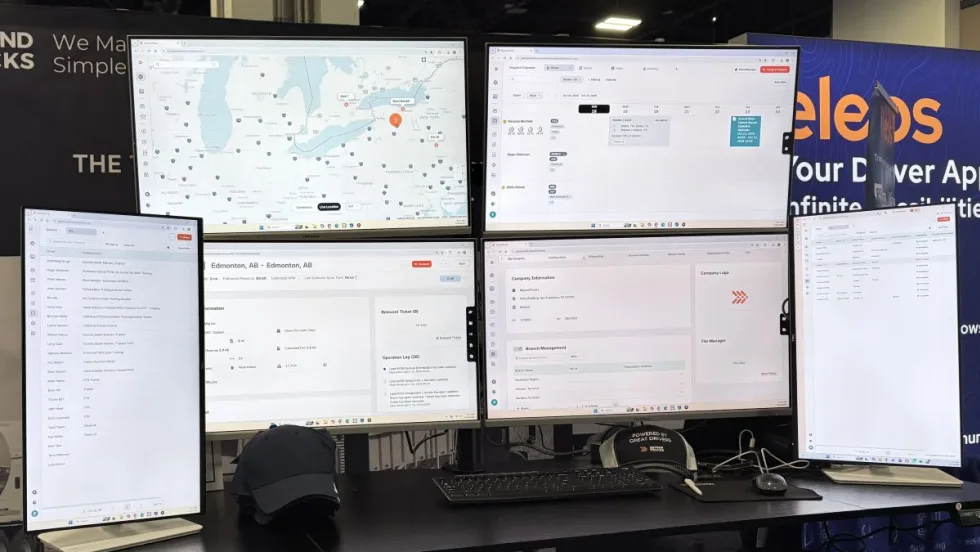
BeyondTrucks Adds Rules Checks to Dispatch
New Compatibility Engine checks driver qualifications, equipment requirements and fleet policies before loads are dispatched.
Read More →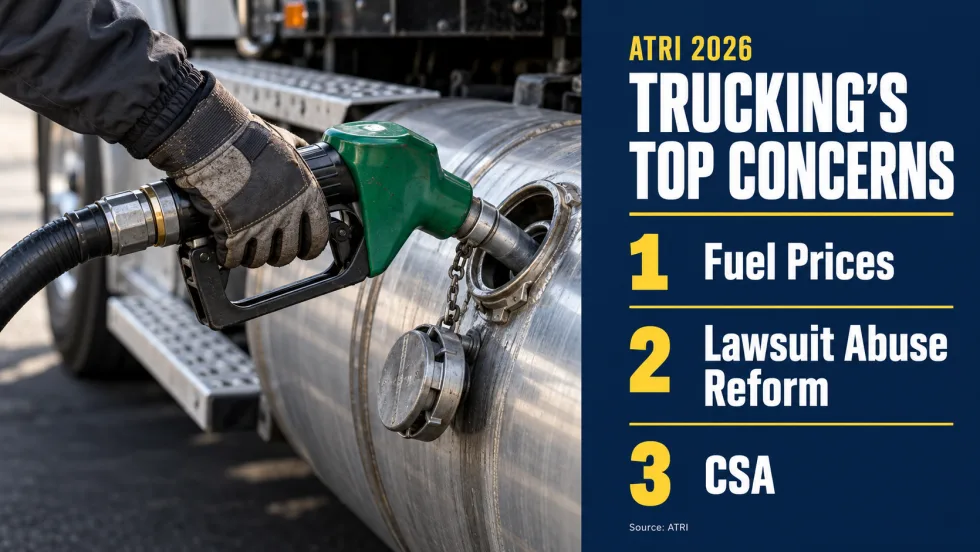
Diesel Prices Hijack Trucking’s Worry List
ATRI’s annual survey finds cautious optimism about freight, but diesel costs, litigation, and insurance continue to squeeze fleets. Drivers have different priorities on several issues.
Read More →
Nomination Deadline Extended for HDT Emerging Leaders
Just a few more days to nominate accomplished trucking fleet professionals under 40 who are making an impact and helping lead the industry forward for the HDT Emerging Leaders award. Deadline extended to October 20!
Read More →
What Will ATA’s New Leader Bring to Trucking's Table?
Incoming President and CEO Mark Colson’s record in Alabama offers clues about his priorities and approach following Chris Spear’s abrupt departure as the head of the American Trucking Associations.
Read More →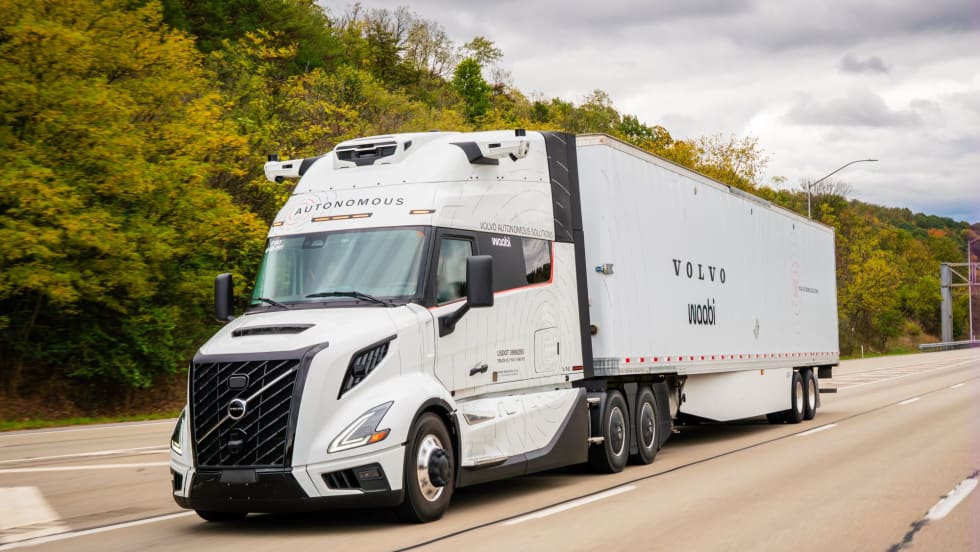
Volvo, Waabi Start Commercial Autonomous Operations in Texas
Volvo VNL Autonomous trucks, powered by the Waabi Driver, are hauling freight directly to third-party facilities for a customer in Texas.
Read More →
Samsara Launches Custom AI Agent Builder
Agent Studio lets fleets create AI tools for hours-of-service monitoring, reporting and driver support, including agents that communicate by phone.
Read More →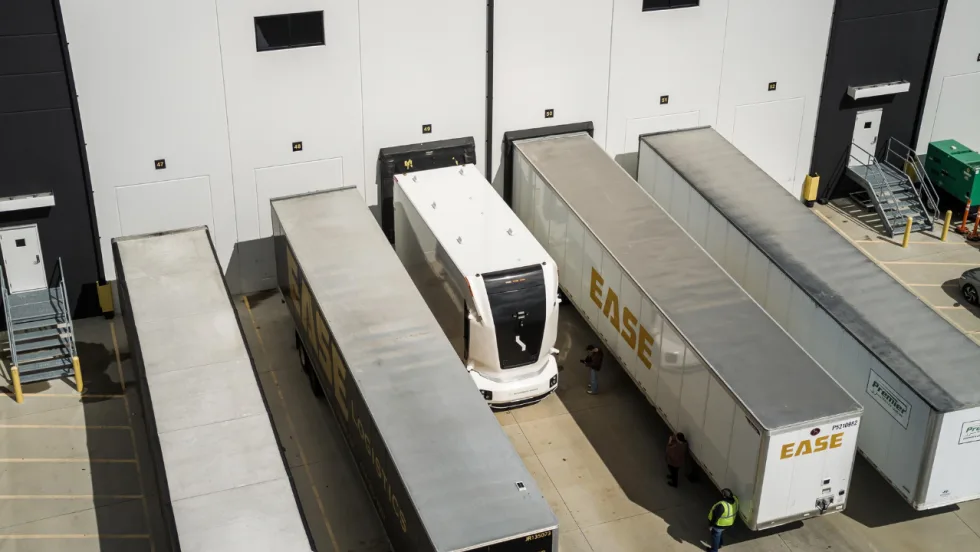
Einride Driverless Electric Trucks Begin Daily Freight Operations in Ohio
Two cabless electric trucks are hauling freight between EASE Logistics facilities in Marysville, Ohio, as part of a multi-state truck automation project.
Read More →
Geotab Links Fleet Card to Vehicle Data
The new card combines fuel discounts with telematics-based purchase controls. Geotab’s analysis also points to potential savings from choosing lower-priced fuel stops.
Read More →