




Economic Fundamentals Better Than They Appear
PHILADELPHIA — Freight volumes and GDP growth have not been as high as many hoped this year, but trucking companies should be ready for growth to return to higher levels, according to a presentation by two economists at the American Trucking Associations’ Management Conference & Exhibition.


Norman Behravesh, chief economist for IHS Inc. Photo: Evan Lockridge

PHILADELPHIA — Freight volumes and GDP growth have not been as high as many had hoped this year, but trucking companies should be ready for growth to return to higher levels, according to a presentation by two economists at the American Trucking Associations’ Management Conference & Exhibition.
“GDP growth bounces around a lot for a number of reasons,” explained Norman Behravesh, chief economist for IHS Inc. Earlier this year, it was bad weather and a port strike on the West Coast dragging things down. Currently it’s an inventory cycle that will see third quarter GDP of around 1.5 to 2%. “That’ll go away, and next year we’ll be back up around 3%,” he said.
Other factors affecting the economy, especially the goods-producing sector that means freight for a lot of trucking companies, include the strong dollar, which is hurting exports, and the collapse in investment in the energy sector.
On the positive side, unemployment has dropped into the low 5% range, he said, which in the past was viewed as full employment. “Labor markets are a little different now, but we’re close.”
“Even though GDP bounces around, employment growth has been chugging along, until very recently at between 200,000 and 250,000 [new jobs] a month. Recently, it dropped to about 150,000, but we think that’s temporary."
And if you take out exports, Behravesh said, just looking at domestic demand, strong housing and consumer spending have domestic demand growing at a 3 to 3.5% rate.
Bob Costello, ATA’s chief economist, pointed out that one of the reasons for the current inventory glut is that companies that a year ago were worried about getting enough shipping capacity over-ordered to compensate.
“The trucking industry, sectors, are very uneven,” he noted. “Some groups are doing very well and others are in recession.” For instance, flatbed carriers hauing construction materials are doing well. Those that were going gangbusters shipping materials for fracking operations are in bad shape.
“But as long as we get through this inventory cycle, I expect there to be a nice pickup in freight volumes, and what’s going to happen is it’s going to turn on a dime when it does.”
In fact, he said, showing a graph with total truckload volume index compared to year over year growth in loads, while the year-over-year line has dropped, the raw load index is still strong.

“The consumer is there. We just need to get through this inventory cycle.”
Consumer spending, Behvaresh said, “is the cornerstone, the lifeblood, the mainstay of the U.S. economy.” This year, he said, U.S. consumers have spent $12.5 billion — which would make it the second-largest economy in the world after the total U.S. GDP.
Consumer spending has increased 3.5% this year, which is “not gangbusters, but it’s very solid growth.” Factors positively driving this have been low energy prices, decent employment growth, rising disposable income, and high household net worth. Keeping it from growing even more, however, are anemic wage growth, student debt, and the recent stock market correction.
Another bright spot for the economy and for freight is construction. Housing starts and home prices are recovering. Behvarsh said, and this “is a sustainable recovery,” not driven by a debt bubble like the last housing boom, but by strong fundamentals. “We expect to see housing continue to be an engine of growth.”
Manufacturing, of course, drives a lot of freight. The growth in manufacturing has slowed in recent months, while growth in service is stronger.
“After an inventory correction in late 2015, manufacturing production growth will rebound,” Behravesh predicted. “Probably this quarter, but for sure in the first quarter of the year, provided there’s not a lot of bad weather.”
Business fixed investment growth is being held back by the plunge in mines and wells, he noted. Spending on manufacturing plants actually has surged in 2015, he said.
And even the energy sector may recover sooner than you might expect.
“U.S. companies are very nimble and very good at cutting costs, and we are seeing huge efforts in cost cutting,” he said. “Our view is the break-even point for shale oil is $49. It was about $70 three or four years ago. So,it won’t take much of a rise in prices” to prompt a return to more activity in the oil sector.
More Fleet Management

How Innovative Trucking Leaders Turn Change Into an Advantage
As the pace of change accelerates in trucking, the fleets that adapt best have more than the latest technology. They have cultures that embrace improvement.
Read More →
Freight Broker Bonds Just Got Harder to Get. Here's What That Means for Your Fleet.
When it gets harder for a freight broker to prove they are financially sound, the ones who cannot clear that bar get pushed out of the market. And those are exactly the brokers who used to leave motor carriers holding the bag.
Read More →
Long-Awaited Canadian Border Bridge to Open in Detroit
For trucking, the bridge opening should offer immediate improvements in efficiency and reliability, with new customs facilities, expanded inspection capacity, and direct freeway-to-freeway connections.
Read More →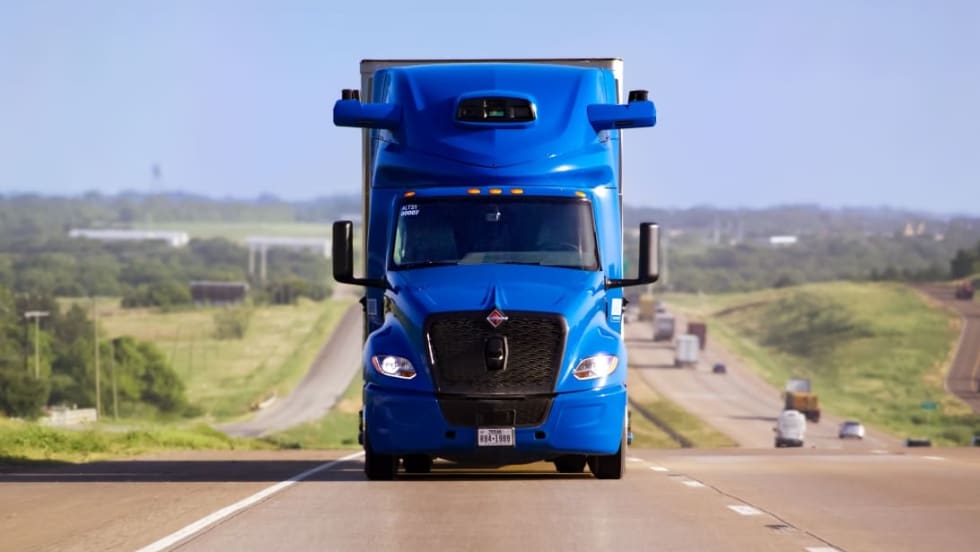
Aurora Rolls Out Next Generation of Driverless Trucks for Commercial Freight
Aurora's latest autonomous trucks it's rolling out with International feature lower-cost hardware designed for a million miles as the company expands commercial driverless freight operations across the U.S. Sun Belt.
Read More →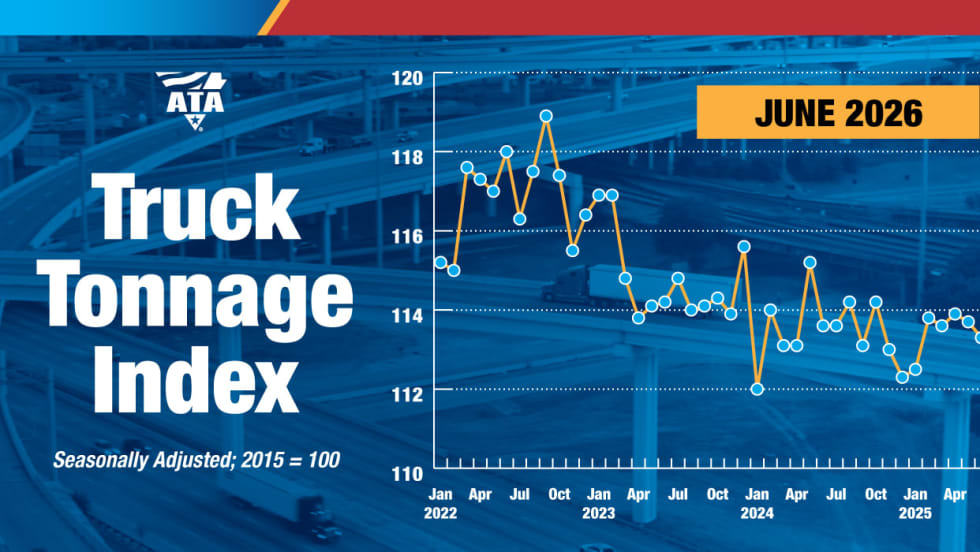
Freight Tonnage Down, Rates up, as Lower Capacity Powers Trucking Recovery
The recovery from the freight recession continues to be driven by reduction in capacity rather than by increased demand.
Read More →
Think Your Trucking Fleet Isn't Using Much AI? Think Again
Shadow AI — the use of unauthorized artificial intelligence tools at work — is becoming increasingly common, putting sensitive company data at risk. Learn how trucking fleets can protect sensitive data while embracing AI.
Read More →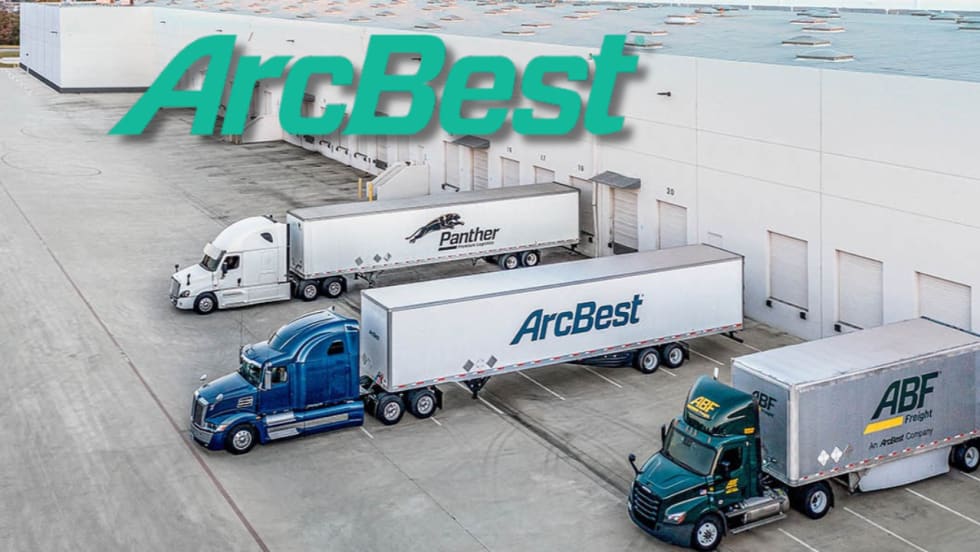
ArcBest Consolidates Brands, Cuts Workforce
The company will bring three business units under the ArcBest brand, eliminate about 2% of positions, and expects the changes to generate $40 million in annual savings.
Read More →
Trucking Fleets Faced Record Operating Costs During Third Year of Freight Recession
ATRI's annual operational cost report shows carriers trimmed fleets, delayed equipment purchases, and ran older trucks as expenses continued to outpace freight rates.
Read More →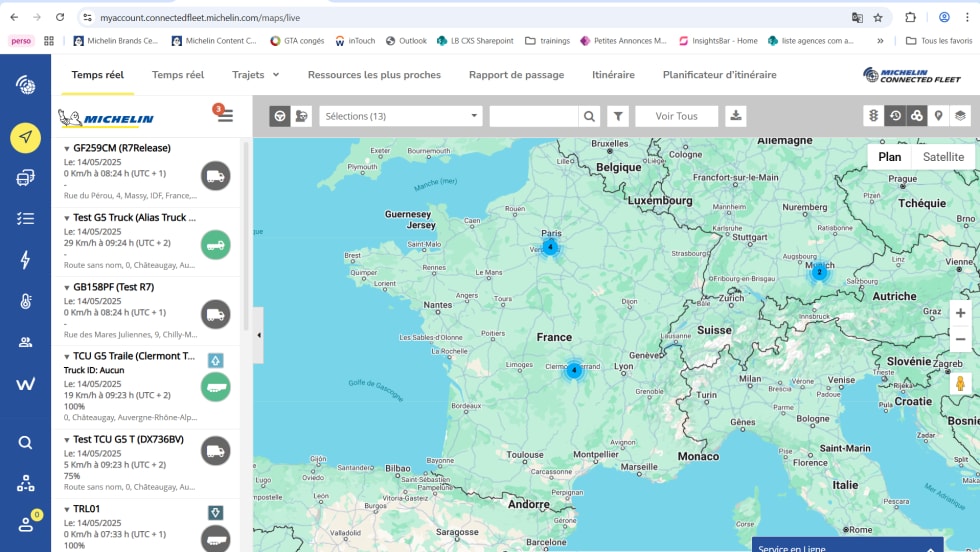
Michelin Adds AI Assistant to MyConnectedFleet Platform
Michelin’s new generative AI tool delivers instant fleet insights, helping managers analyze fuel use, tire maintenance, vehicle status, and operational performance without manually creating reports.
Read More →
LytxOne Platform Now Features AI, Compliance, and Asset Tracking Tools
New enhancements add AI-powered insights, asset tracking, compliance automation, and configurable privacy controls to Lytx's all-in-one fleet management platform.
Read More →