




Could House Highway Bill Hurt Smaller Fleets?
A letter signed by eight businesses and associations that together represent over 9,500 motor carriers, brokers and shippers has been sent to the House opposing a section of the long-term highway bill because it “could cripple small-business truckers.”

File Photo

File Photo
A letter signed by top executives of eight businesses and trade associations that together represent over 9,500 motor carriers, brokers and shippers has been sent to the House Transportation & Infrastructure Committee opposing a section of the newest long-term highway bill because it “could cripple small-business truckers,” Joe Rajkovacz, director of governmental affairs & communications for the Western States Trucking Association, told HDT.
WST is among the signatories as are Apex Capital Corp., the Alliance for Safe, Efficient and Competitive Truck Transportation, the Auto Haulers Association of America and the Air & Expedited Motor Carrier Association.
The groups object to the second provision within Section 5224, titled “Interim Hiring Standard” (page 398), of the Surface Transportation Reauthorization and Reform (STRR) Act, which the T&I Committee marked up on Oct 22 and now awaits consideration by the full House.
Rajkovacz said that by “allowing a Satisfactory Safety Fitness Determination [issued] by the Federal Motor Carrier Safety Administration to be an affirmative defense in litigation, [this provision] would establish having a ‘Satisfactory’ as a necessary prerequisite in contracting for trucking services.”
While Rajkovacz conceded that this section is “intended to give shippers and brokers an affirmative defense in litigation over whether they hired an ‘unsafe’ motor carrier (based on CSA data, not Safety Fitness Determinations), many of us believe this language will actually harm small-businesses because approximately 90% are ‘unrated’-- since they have never had a federal Compliance Review and have not been issued a Safety Fitness Determination by FMCSA."
He added that attaining a Satisfactory SFD is “actually rare,” and stated that “90-plus percent of motor carriers are ‘un-rated’ because they have never had a Compliance Review by the feds – the only way to have a SFD assigned. The small percentage of motor carriers with a ‘Conditional’ rating are getting thrown under the bus, too [by this provision].”
Rajkovacz also argued that “often when smaller carriers are audited it happens after a crash, one which they may have borne no responsibility in causing. While the feds may find deficiencies in safety management practices, they are not enough to force a shutdown of the carrier – hence a ‘Conditional’ rating [is issued] until they can show they have instituted corrective actions.”
He noted with the markup of the long-term bill completed, “efforts [to rewrite that provision] now move to the House floor before conferencing” with the Senate occurs to produce a final bill. “I’m hearing that this provision of the Interim Hiring Standard section has caught certain stakeholders completely by surprise.”
The letter sent to the T&I Committee specifically requests that the section be rewritten as follows:
1) “Delete Sec. 5224(b), the Interim Hiring Standard, and any language which suggests that the FMCSA’s ultimate safety fitness determination is not the sole standard for determining an interstate motor carrier’s fitness for use. In the current bill, an ‘interim hiring standard’ is proposed which would open the door for vast market distortions, as shippers seek to avoid vexatious litigation by using only the relatively small number of carriers covered by the ‘standard.’ Evidently the authors of this provision were not aware that the FMCSA has awarded Satisfactory safety ratings to only 16,883 carriers in the past 5 years -- although it currently certifies approximately 525,000 registrants, including over 200,000 for-hire carriers, as fit to operate on the nation’s roadways as either Satisfactory, Conditional or Unrated.”
2) “Replace the deleted portions of Sec. 5224(b) with a simple affirmation of existing law as agreed to by the FMCSA in NASTC et al. v. FMCSA to wit…National Hiring Standard: Unless a motor carrier in the SMS has received an UNSATISFACTORY safety rating pursuant to 49 CFR Part 385, or has otherwise been ordered to discontinue operations by the FMCSA, it is authorized to operate on the nation's roadways and therefore fit for the shipping public to use.”
The authors argue that “by effectively requiring the shipping public to use only carriers with a satisfactory safety rating, for fear of facing lawsuits invoking such theories as ‘negligent selection’ of carriers, Sec. 5224(b) would disenfranchise 95 percent of the for-hire carriers authorized to operate on the nation’s roadways by the FMCSA.”
They also contend that “in most cases, these are small carriers to which the agency has not gotten around to assigning any safety rating at all. The result of enacting this ‘hiring ‘standard’ would be to award excessive pricing power to the few carriers with satisfactory safety ratings, and to revive and worsen the severe distortions of truck capacity experienced throughout the economy last year.”
More Fleet Management
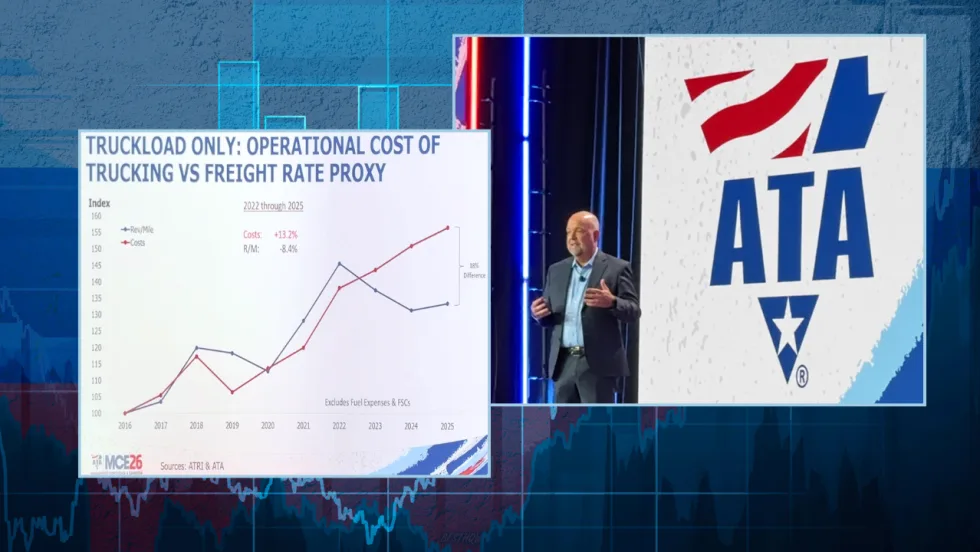
Why This Trucking Recovery Is Different
Freight demand remains sluggish, but rising costs and tougher enforcement have taken enough capacity out of the market to change the outlook for motor carriers.
Read More →
Platform Science Adds Dispatch and Safety Tools
Four additions to PS Fleet help fleets monitor loads, manage driver coaching, share truck locations and adjust video system settings.
Read More →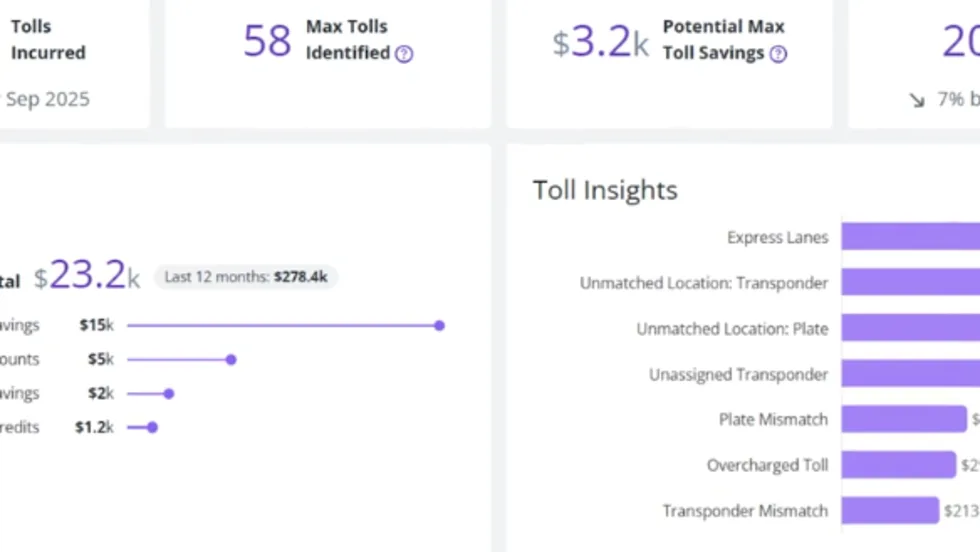
PrePass Intelligence Mines Fleet Bypass, Toll and Safety Data
PrePass Intelligence helps fleets measure bypass savings, flag potential toll overcharges, and spot suspicious transactions by combining data from separate systems.
Read More →
Motive Adds AI Agents for Fleet Operations
New tools automate follow-up on fleet data, from maintenance work orders to driver alerts, with two-way voice conversations planned for later this year.
Read More →
Can You Beat Our Trucking Trivia Challenge?
Test your truck knowledge with 19 trivia questions from Heavy Duty Trucking Exchange. Can you keep up with the fleet pros?
Read More →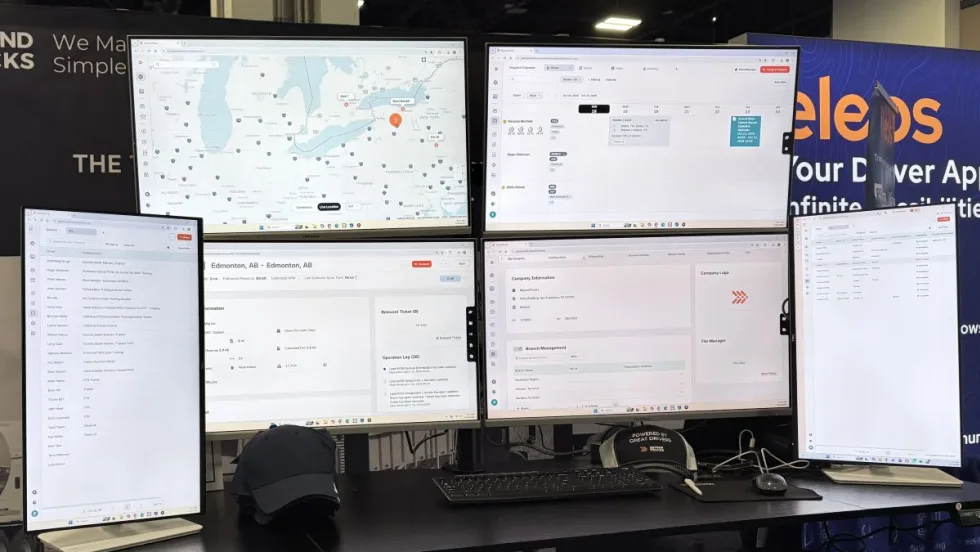
BeyondTrucks Adds Rules Checks to Dispatch
New Compatibility Engine checks driver qualifications, equipment requirements and fleet policies before loads are dispatched.
Read More →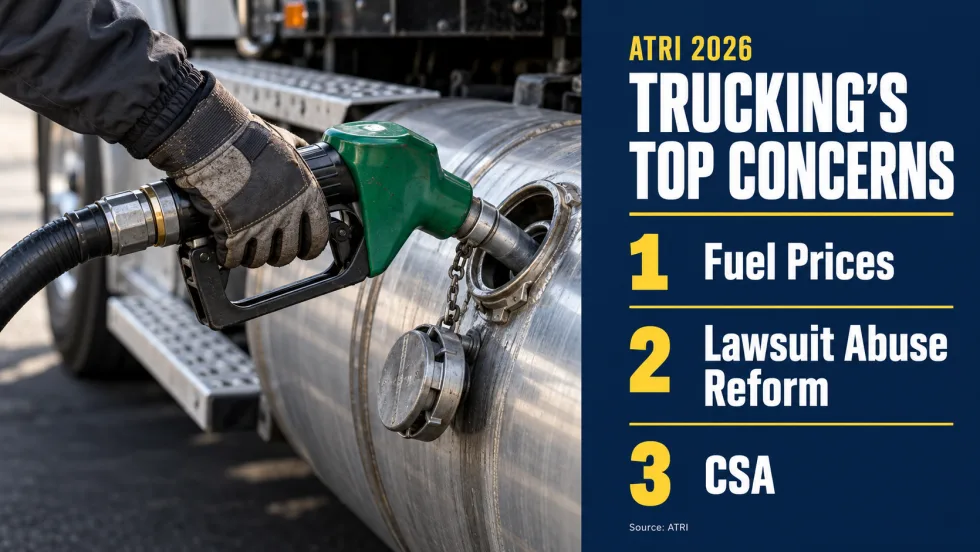
Diesel Prices Hijack Trucking’s Worry List
ATRI’s annual survey finds cautious optimism about freight, but diesel costs, litigation, and insurance continue to squeeze fleets. Drivers have different priorities on several issues.
Read More →
Nomination Deadline Extended for HDT Emerging Leaders
Just a few more days to nominate accomplished trucking fleet professionals under 40 who are making an impact and helping lead the industry forward for the HDT Emerging Leaders award. Deadline extended to October 20!
Read More →
What Will ATA’s New Leader Bring to Trucking's Table?
Incoming President and CEO Mark Colson’s record in Alabama offers clues about his priorities and approach following Chris Spear’s abrupt departure as the head of the American Trucking Associations.
Read More →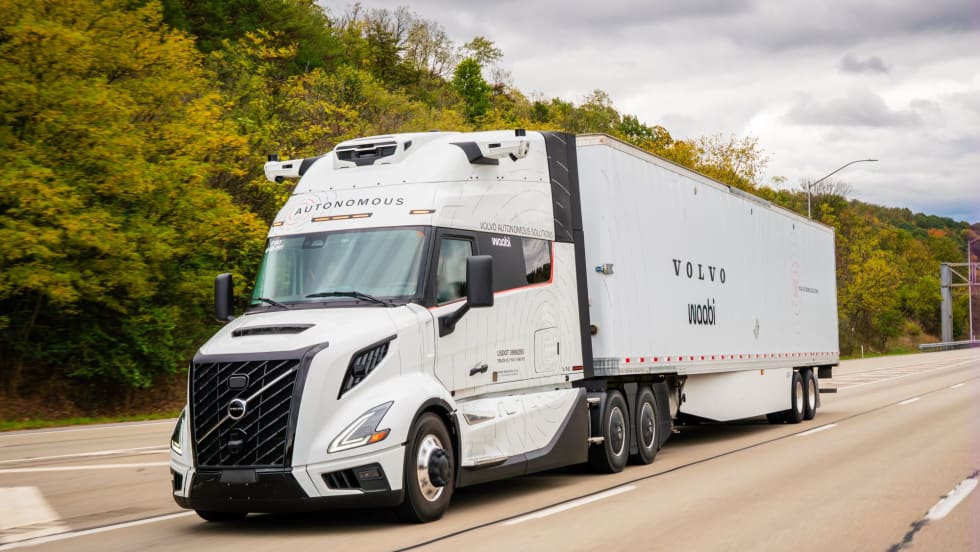
Volvo, Waabi Start Commercial Autonomous Operations in Texas
Volvo VNL Autonomous trucks, powered by the Waabi Driver, are hauling freight directly to third-party facilities for a customer in Texas.
Read More →