




Workers Advocates Want Hair Testing Out of Transportation Bill
In a joint letter to the House Transportation and Infrastructure Committee, 17 workers advocate organizations urged the committee to reject hair testing for federal drug tests.

In a joint letter to the House Transportation and Infrastructure Committee, 17 organizations urged the committee to reject hair testing for federal drug tests.
The letter requested that hair specimen testing be removed from the DRIVE Act in the Senate and the Drug Free Commercial Driver Act in the House until the validity and reliability of the testing method could be determined by the Department of Health and Human Services.
The letter was co-signed by prominent groups such as the Teamsters union, the American Civil Liberties Union, the Transport Workers Union, United Steelworkers and others.
“Instead of allowing the experts at HHS to determine whether scientific and forensic evidence supports the use of hair specimen testing, these legislative proposals arbitrarily grant motor carriers the ability to use this unsubstantiated method of testing,” the groups stated in the letter.
The letter called into question hair testing, citing instances where hair specimens can deliver false positives for individuals who had only been exposed to illegal substances but never actually ingested. It also brought up the possibility of carriers being labeled “less safe” for using urine testing instead of hair testing.
“The process Congress established years ago has created drug testing standards that are not only effective, but scientifically and forensically sound,” the groups stated. “Any changes to these standards must be backed by similar evidential support carefully studied by the experts with such authority.”
Proponents of hair testing contend that hair urinalysis is less effective at detecting substance abuse because evidence of use has a longer window of detection in hair and it's harder to cheat on the test. The American Truck Associations and the group The Trucking Alliance both backed hair testing in March of this year.
"ATA is committed to improving highway safety, including doing all we can to prevent individuals who use drugs or alcohol from driving trucks," said ATA president and CEO Bill Graves. "ATA's advocacy [of mandatory drug and alcohol testing] has resulted in a steady decline in the small percentage of drivers who use drugs, and hair testing is the next logical step."
However, the Owner-Operator Independent Drivers Association is on record as criticizing the measure, saying the current urine-based standards are working fine and there's no reason to pursue hair testing as an alternative.
says that the current standards for urine-based drug testing for commercial drivers are acceptable and that there’s no need to pursue hair-based testing as an alternative.
- See more at: http://www.landlinemag.com/Story.aspx?StoryID=29333#.VdZGqkXXzYo says that the current standards for urine-based drug testing for commercial drivers are acceptable and that there’s no need to pursue hair-based testing as an alternative. - See more at: http://www.landlinemag.com/Story.aspx?StoryID=29333#.VdZGqkXXzYo says that the current standards for urine-based drug testing for commercial drivers are acceptable and that there’s no need to pursue hair-based testing as an alternative. - See more at: http://www.landlinemag.com/Story.aspx?StoryID=29333#.VdZGqkXXzYo the Owner-Operator Independent Drivers Association said that urine-based testing can more quickly detect recent drug use than hair testing, which can take from four to 10 days for the hair containing the drug to grow far enough from the scalp.
Read more at: http://www.ttnews.com/articles/basetemplate.aspx?storyid=38854
© Transport Topics, American Trucking Associations Inc.
Reproduction, redistribution, display or rebroadcast by any means without written permission is prohibited. the Owner-Operator Independent Drivers Association said that urine-based testing can more quickly detect recent drug use than hair testing, which can take from four to 10 days for the hair containing the drug to grow far enough from the scalp.
Read more at: http://www.ttnews.com/articles/basetemplate.aspx?storyid=38854
© Transport Topics, American Trucking Associations Inc.
Reproduction, redistribution, display or rebroadcast by any means without written permission is prohibited.
The groups that signed the letter were:
American Civil Liberties Union
Association of Flight Attendants-CWA
Air Line Pilots Association
American Medical Review Officers, LLC
American Train Dispatchers Association
Amalgamated Transit Union
Brotherhood of Railroad Signalmen
International Association of Machinists and Aerospace Workers
International Brotherhood of Teamsters
Jewish Alliance for Law and Social Action
Lawyers’ Committee for Civil Rights and Economic Justice
National Air Traffic Controllers Association
National Workrights Institute
Sheet Metal, Air, Rail and Transportation Workers-Transportation Division
Sailors’ Union of the Pacific
Transportation Trades Department, AFL-CIO
Transport Workers Union of America
United Steelworkers
Related: Why is the DOT Taking so Long to Move on Hair Testing for Drugs?
More Fleet Management
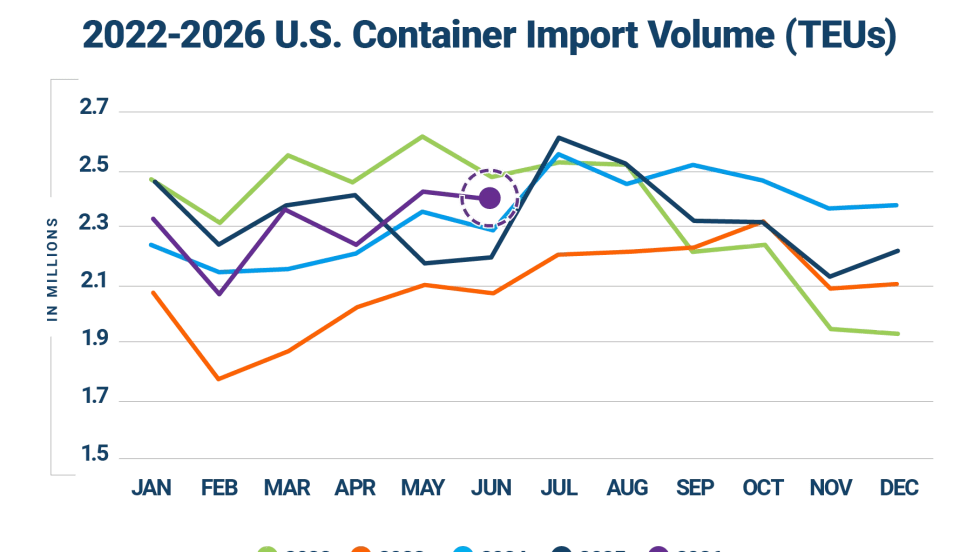
Import Cargo’s Early Peak Season is Winding Down
There was an early start to peak season this year at the nation's gateway ports, as retailers brought in merchandise ahead of tariff changes in late July and responded to other supply chain uncertainties,
Read More →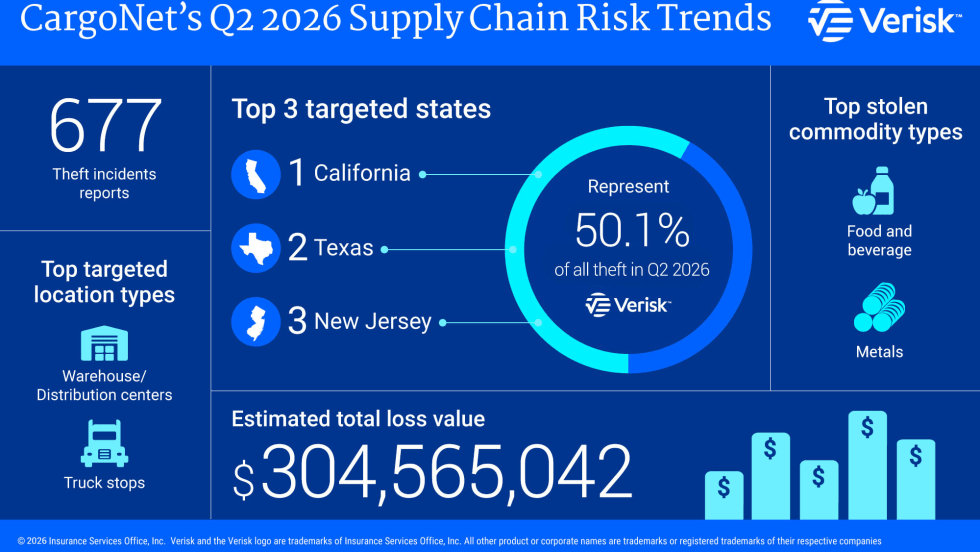
Fewer Cargo Thefts, Bigger Losses: Criminals Target Higher-Value Loads
CargoNet says organized theft rings are stealing fewer shipments but choosing more valuable freight, including metals and technology, resulting in record losses.
Read More →
How Innovative Trucking Leaders Turn Change Into an Advantage
As the pace of change accelerates in trucking, the fleets that adapt best have more than the latest technology. They have cultures that embrace improvement.
Read More →
Freight Broker Bonds Just Got Harder to Get. Here's What That Means for Your Fleet.
When it gets harder for a freight broker to prove they are financially sound, the ones who cannot clear that bar get pushed out of the market. And those are exactly the brokers who used to leave motor carriers holding the bag.
Read More →
Long-Awaited Canadian Border Bridge to Open in Detroit
For trucking, the bridge opening should offer immediate improvements in efficiency and reliability, with new customs facilities, expanded inspection capacity, and direct freeway-to-freeway connections.
Read More →
Aurora Rolls Out Next Generation of Driverless Trucks for Commercial Freight
Aurora's latest autonomous trucks it's rolling out with International feature lower-cost hardware designed for a million miles as the company expands commercial driverless freight operations across the U.S. Sun Belt.
Read More →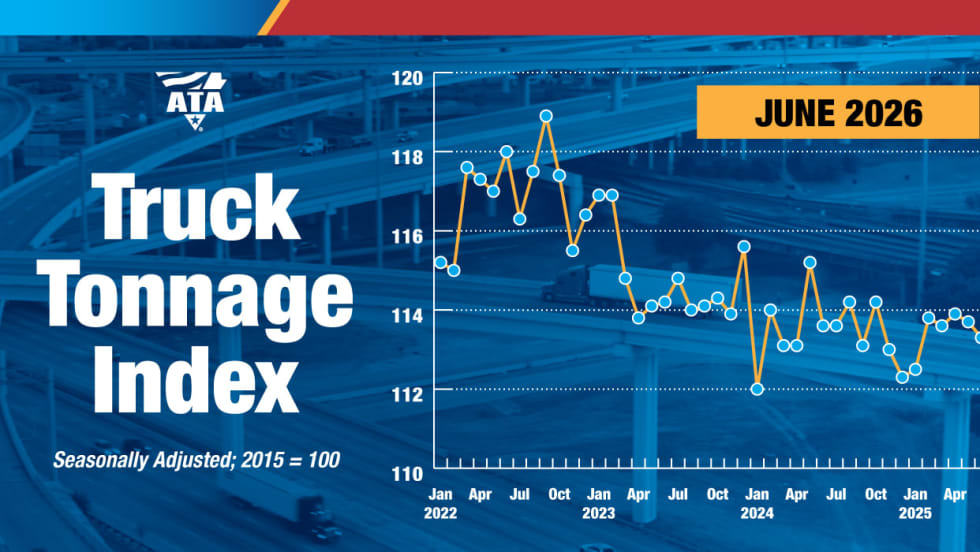
Freight Tonnage Down, Rates up, as Lower Capacity Powers Trucking Recovery
The recovery from the freight recession continues to be driven by reduction in capacity rather than by increased demand.
Read More →
Think Your Trucking Fleet Isn't Using Much AI? Think Again
Shadow AI — the use of unauthorized artificial intelligence tools at work — is becoming increasingly common, putting sensitive company data at risk. Learn how trucking fleets can protect sensitive data while embracing AI.
Read More →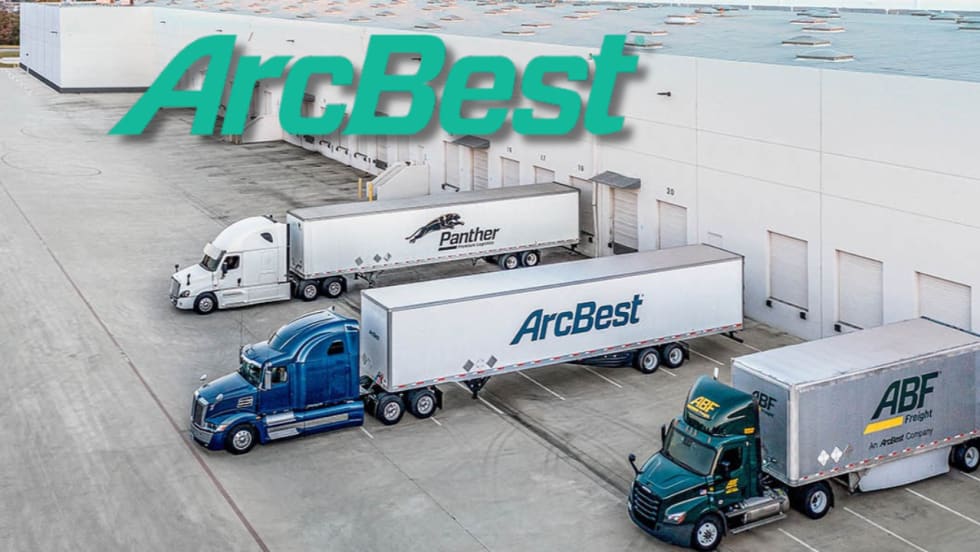
ArcBest Consolidates Brands, Cuts Workforce
The company will bring three business units under the ArcBest brand, eliminate about 2% of positions, and expects the changes to generate $40 million in annual savings.
Read More →
Trucking Fleets Faced Record Operating Costs During Third Year of Freight Recession
ATRI's annual operational cost report shows carriers trimmed fleets, delayed equipment purchases, and ran older trucks as expenses continued to outpace freight rates.
Read More →