




“Comments from the panel reflect a combination of optimism mixed with uncertainties about international markets and the impacts of the continuing decline in oil prices."
Economic Watch: Manufacturing Uneven, Consumer Spending Strong
The pace of U.S. manufacturing growth, a key indicator affecting trucking, slowed in July from its highest level in five months, according to a survey of the nation’s supply executives.

Evan Lockridge・Former Business Contributing Editor
5 min to read

The pace of U.S. manufacturing growth, a key indicator affecting trucking, slowed in July from its highest level in five months, according to a survey of the nation’s supply executives released on Monday.
The Institute for Supply Management’s Purchasing Managers Index registered 52.7%, a decrease of 0.8 of a percentage point below the June reading of 53.5%. A reading above 50% indicates manufacturing is expanding, and it's been doing so for 74 straight months.
“Comments from the panel reflect a combination of optimism mixed with uncertainties about international markets and the impacts of the continuing decline in oil prices,” said Bradley J. Holcomb, chair of the ISM Manufacturing Business Survey Committee.
The New Orders Index registered 56.5%, an increase of 0.5 of a percentage point from the reading of 56% in June, its fourth straight monthly hike and a possible indication of increased overall future manufacturing activity.
The Production Index registered 56%, 2 percentage points above the June reading of 54%. The Employment Index registered 52.7%, 2.8 percentage points below the June reading of 55.5%, reflecting employment levels growing from June but at a slower rate.
Of the 18 manufacturing industries covered in the survey, 11 reported growth in July.
A separate report on manufacturing from a financial information services provider was more upbeat, showing a rebound in activity and new business this month.
Markit on Manufacturing
At 53.8 in July, the final seasonally adjusted Markit U.S. Manufacturing Purchasing Managers’ Index picked up slightly from the 20-month low seen in June, when it registered 53.6. The latest reading was above the 50 no-change mark and higher than the long-run series average of 52.2, indicating a solid improvement in overall business conditions.
Stronger rates of output and new business growth were the main factors boosting the headline PMI reading in July, according to the report. Production volumes expanded at the sharpest pace for three months, with survey respondents generally citing improved domestic demand conditions. Moreover, manufacturers commented on continued investments in new products and efforts to boost operating capacity, while some suggested that reshoring strategies had also provided a tailwind to growth at their plants.
However, there were signs that manufacturers remained cautious regarding the business outlook, as purchasing activity expanded at the slowest pace for 18 months and job creation eased to a three-month low in July.
“The PMI picked up in July, but the sector continues to endure one of the slowest growth phases seen over the past year and a half," said Chris Williamson, chief economist at Markit. "Companies reported that the strong dollar once again hurt export competiveness, exacerbating already-weak demand in many countries, especially emerging markets and Asian economies.
"However, the data suggest the manufacturing sector is struggling rather than collapsing against the various headwinds. Relief has also come in the form of lower commodity prices, and low oil prices in particular."
He said this and other reports is unlikely to keep Federal Reserve policymakers from raising interest rates on the back of the weak manufacturing performance, focusing instead on the steady improvement in the labor market and robust service sector growth which have been signalled at the start of third quarter.
“However, with other manufacturing PMI surveys showing emerging markets suffering their steepest downturn for two years, worries about the global economy may well deter the Fed from tightening policy this year,” Williamson said.
Personal Income, Consumer Spending Rise
Meantime, a report released by the Commerce Department on Monday showed personal incomes increased 0.4% in July from the month before, matching the figure from the two earlier months.
So-called “real spending,” which is adjusted to remove changes in prices, was nearly unchanged following a June increase of 0.4%.
Personal savings as a percentage of disposable income climbed from 4.6% in May to 4.8% during June.
Overall consumer spending rose 0.2% in June after a downwardly revised 0.7% increase in May compared to a first reported 0.9% advance. Consumer spending is estimated to account for about two-thirds of U.S. economic activity.
“As seen in last week’s advanced release of the second quarter GDP, the consumer was out spending from April to June, following a general malaise across the first three months of the year. Was it robust spending?” said Lindsey Piegza, chief economist at Stifel Fixed Income. “Hardly – certainly not the 2014-style rebound spending expected, but still it was robust enough. In fact, consumer spending appears to have been the only true bright spot in the economy last quarter, with consumption accounting for 2% of the 2.3% rise in growth."
As a consumer-based economy, we want to see the consumer out spending. However, going forward, something needs to support such elevated levels of expenditure.
“Without a marked improvement in business investment which translates into more stellar hiring gains and more robust income growth, the consumer will eventually be forced to pull back from these positive consumption levels,” Piegza said. “With business investment trending negative, momentum will need to change course, and fast.”
Construction Remains Stong
Lastly, another Commerce Department report showed total construction in the U.S. during June posted its smallest month-to-month increase since January. However, it was up 12% compared to June 2014.
The 0.1% gain from May put spending at $1.05 trillion and is up 8% in the first six months of the year versus the same time last year.
The May level was revised upward from its previously issued 0.8% increase to show a 1.8% improvement over April.
More Fleet Management

How Innovative Trucking Leaders Turn Change Into an Advantage
As the pace of change accelerates in trucking, the fleets that adapt best have more than the latest technology. They have cultures that embrace improvement.
Read More →
Freight Broker Bonds Just Got Harder to Get. Here's What That Means for Your Fleet.
When it gets harder for a freight broker to prove they are financially sound, the ones who cannot clear that bar get pushed out of the market. And those are exactly the brokers who used to leave motor carriers holding the bag.
Read More →
Long-Awaited Canadian Border Bridge to Open in Detroit
For trucking, the bridge opening should offer immediate improvements in efficiency and reliability, with new customs facilities, expanded inspection capacity, and direct freeway-to-freeway connections.
Read More →
Aurora Rolls Out Next Generation of Driverless Trucks for Commercial Freight
Aurora's latest autonomous trucks it's rolling out with International feature lower-cost hardware designed for a million miles as the company expands commercial driverless freight operations across the U.S. Sun Belt.
Read More →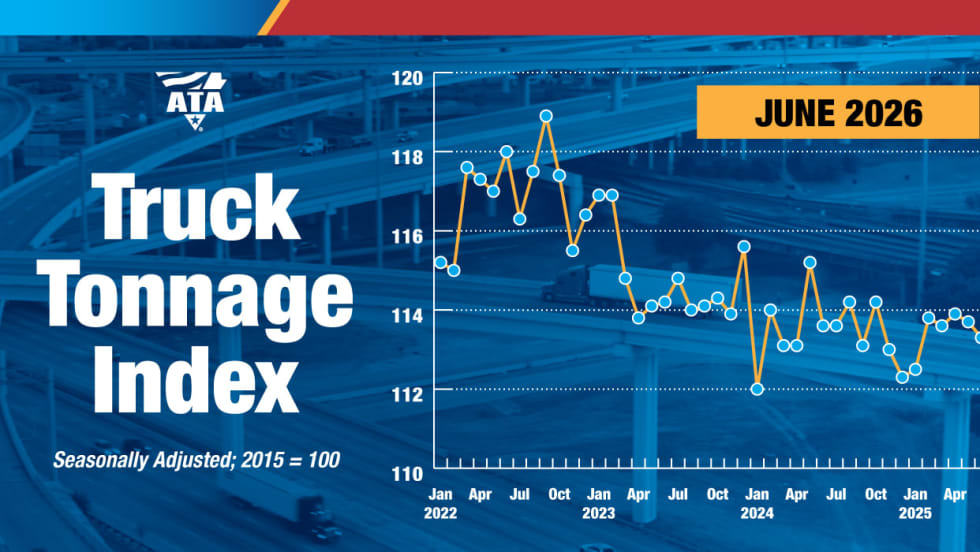
Freight Tonnage Down, Rates up, as Lower Capacity Powers Trucking Recovery
The recovery from the freight recession continues to be driven by reduction in capacity rather than by increased demand.
Read More →
Think Your Trucking Fleet Isn't Using Much AI? Think Again
Shadow AI — the use of unauthorized artificial intelligence tools at work — is becoming increasingly common, putting sensitive company data at risk. Learn how trucking fleets can protect sensitive data while embracing AI.
Read More →
ArcBest Consolidates Brands, Cuts Workforce
The company will bring three business units under the ArcBest brand, eliminate about 2% of positions, and expects the changes to generate $40 million in annual savings.
Read More →
Trucking Fleets Faced Record Operating Costs During Third Year of Freight Recession
ATRI's annual operational cost report shows carriers trimmed fleets, delayed equipment purchases, and ran older trucks as expenses continued to outpace freight rates.
Read More →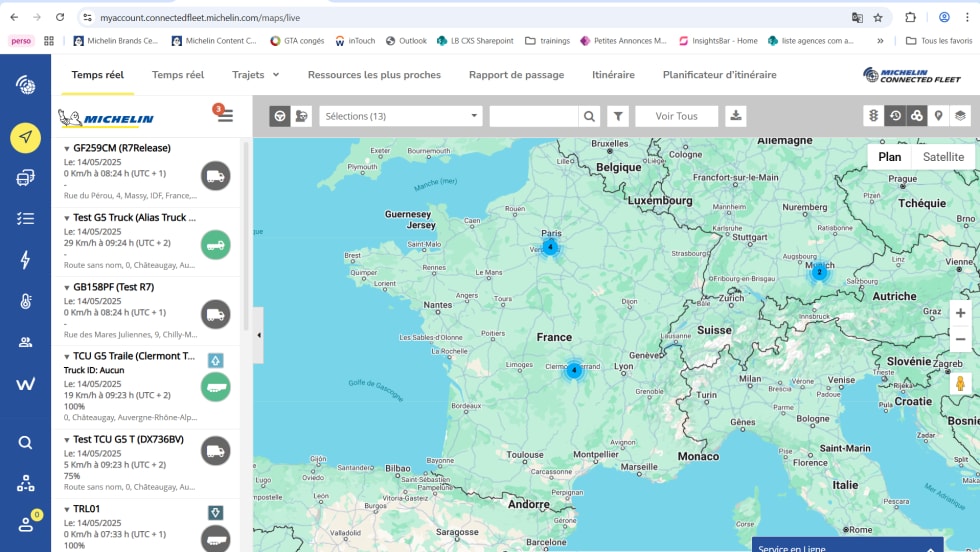
Michelin Adds AI Assistant to MyConnectedFleet Platform
Michelin’s new generative AI tool delivers instant fleet insights, helping managers analyze fuel use, tire maintenance, vehicle status, and operational performance without manually creating reports.
Read More →
LytxOne Platform Now Features AI, Compliance, and Asset Tracking Tools
New enhancements add AI-powered insights, asset tracking, compliance automation, and configurable privacy controls to Lytx's all-in-one fleet management platform.
Read More →