




Short-Term Highway Patch, Trucking Issues on The Hill
The House of Representatives unveils a short-term funding patch to keep the highway program running for the next six months, as a Senate committee prepares to consider a comprehensive highway safety bill Wednesday that addresses trucking issues such as CSA reforms, younger drivers and hair testing.
July 14, 2015


HDT file photo
5 min to read

HDT file photo
The House of Representatives unveils a short-term funding patch to keep the highway program running for the next six months, as a Senate committee prepares to consider a comprehensive highway safety bill Wednesday.
House leaders Monday night released a short-term highway bill that would use tax compliance rules to extend federal funds through Dec. 18. The $8.1 billion bill, according to published reports, tightens disclosure rules for mortgages, extends an airport security fee increase, gives IRS investigators more time to investigate some tax avoidance, among other things.
House Ways and Means Committee Chairman Paul Ryan (R-Wis.) and Transportation Chairman Bill Shuster (R-Pa.) said the proposal would give lawmakers time work on a six-year highway program.
Senate Bill
Meanwhile, the Senate Committee on Commerce, Science and Transportation is scheduled to consider and vote on a comprehensive highway safety bill Wednesday that includes hot-button trucking issues such as younger drivers, hair testing for drugs, and changes to the Compliance, Safety, Accountability enforcement program.
The Comprehensive Transportation and Consumer Protection Act of 2015 (S.1732) authorizes the office of the Secretary of Transportation for the next six years (fiscal years 2016 through 2021) and contains “key reforms to enhance safety, provide regulatory relief, streamline grant programs, and improve the accountability and efficiency of oversight efforts,” according to the website of Senate Committee Chairman John Thune, R-S.D, who introduced the bill.
In addition to Thune, it is sponsored by Deb Fischer (R-Neb.), and Jerry Moran (R-Kan.).
By tradition, according to Thune, following committee approval, S. 1732 will be combined with S. 1647, Developing a Reliable and Innovative Vision for the Economy (DRIVE) Act and component legislation from other Senate committees on the Senate floor to form legislation commonly referred to as “The Highway Bill” or the “Surface Transportation Reauthorization Bill.”
“As the Senate works to consider a multi-year plan to fund highway and other infrastructure projects, we also have the opportunity to enact reforms for the Department of Transportation that are vital for our economy and the safety of travelers in South Dakota and around the country,” said Thune. “This bill incorporates numerous proposals from the administration, bipartisan proposals put forward by senators, and proposals that have been previously considered and embraced by a consensus of the Commerce Committee."
However, even if the legislation is passed by the Senate and then the House, Congress still hasn't come up with a way to pay for it – and the current highway authorization expires at the end of the month. Thus the House short-term funding bill.
Among the items of interest to trucking in the Senate bill being considered Wednesday:
CSA – Requires the Federal Motor Carrier Safety Administration to commission a study from the Transportation Research Board to analyze the Compliance, Safety, and Accountability program, which assigns Safety Management System (SMS) scores to commercial motor carriers. The study would evaluate whether the current data inputs and analyses reliably predict future crash risk for motor carriers, and whether the system provides similar enforcement benefits for large and small motor carriers.
It also would requires FMCSA to remove SMS data alerts, scores, and percentiles from public view until this report and corrective action plan have been published, and recommendations completed.
Another section would require development of a review program to remove accident data from the CSA system when the motor carrier was not at fault.
Incentives for safety programs and technology: Requires the FMCSA to develop a structure to provide positive SMS points for investments in select safety technologies, tools, programs, and systems not mandated by law, and that those positive points be presented online with other SMS data.
National hiring standards: Would provide a process for shippers to verify the eligibility of a motor carrier to transport goods under the interim hiring standard. This section would provide that, if a carrier does not have an unsatisfactory safety fitness determination, it is fit for hiring under the standard.
Hair testing: Includes an earlier bill, Drug Free Commercial Driver Act of 2015, which would allow the use of hair testing as an alternative to urinalysis for pre-employment and subsequent random screening for controlled substance use by commercial motor vehicle drivers.
Younger drivers – Would authorize the DOT to establish a six-year pilot program to allow states to enter into interstate compacts to allow for appropriately licensed drivers between the ages of 18 and 21 to travel in interstate commerce.
Regulatory transparency and reform – Requires the Federal Motor Carrier Safety Administration to maintain updated records relating to regulatory guidance, and provides for regular review to ensure consistency and enforceability. It would require each regulatory impact analysis of a proposed or final rule issued by the Federal Motor Carrier Safety Administration to consider the effects of the rule on carriers with differing characteristics and to formulate estimates and findings on the best available science.
New Entrant Safety Review study – Would require a study by the Inspector General on the effectiveness of the New Entrant Safety Review program. Following the completion of the report, this section further requires the Secretary to send to Congress any recommended changes to the program.
Study on truck driver commuting – Requires a study on the impact of commuting time on commercial motor vehicle drivers, and report to Congress with findings.
National Multimodal Freight Network – Require the secretary of transportation to establish a national freight network to assist state and federal planning efforts. This section would set standards for designating and updating the primary freight system using state input.
National Freight Strategic Plan – Would require the DOT to consult with states and other stakeholders to develop an assessment and plan to achieve freight goals, and to develop and monitor freight metrics and tools.
Freight investment grants – Establishes a grant program to fund freight infrastructure projects. Would authorize appropriations from the General Fund of $500 million per fiscal year (consistent with current spending levels under the TIGER program). This program would reform and replace the unauthorized TIGER discretionary grant program, and provide oversight of the program.
Port Performance Act – Includes legislation previously approved by the Commerce Committee to increase transparency of port operation by providing currently non-existent key metrics on port operations to help provide earlier warning of disruptions to various sectors of our economy following the recent nine month labor dispute at 29 West Coast container ports.
Click here for text of the Senate bill as introduced. Click here for a section-by-section summary.
More Fleet Management
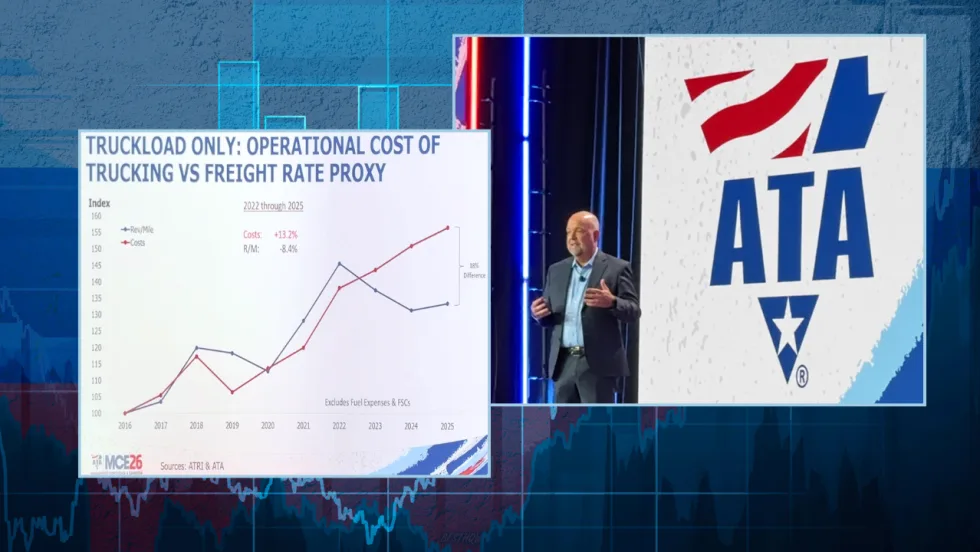
Why This Trucking Recovery Is Different
Freight demand remains sluggish, but rising costs and tougher enforcement have taken enough capacity out of the market to change the outlook for motor carriers.
Read More →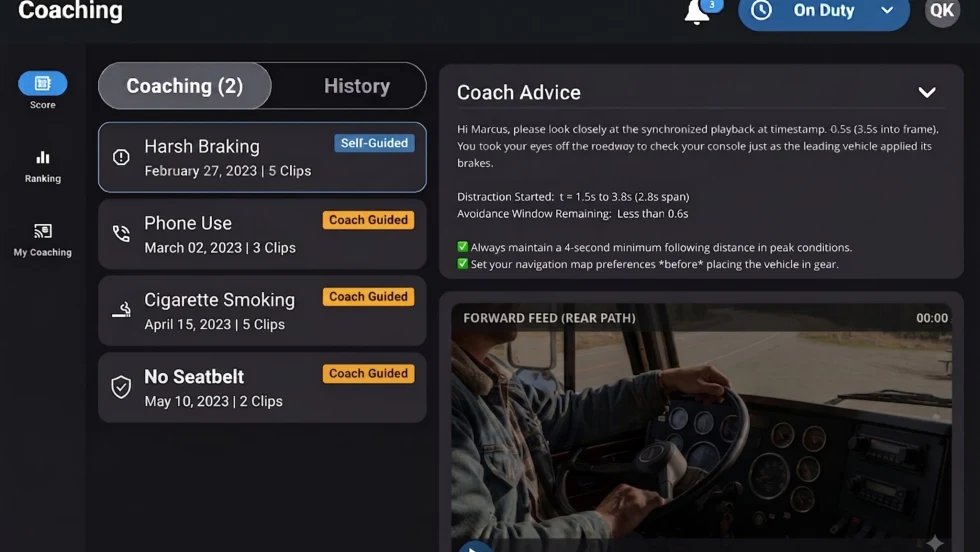
Platform Science Adds Dispatch and Safety Tools
Four additions to PS Fleet help fleets monitor loads, manage driver coaching, share truck locations and adjust video system settings.
Read More →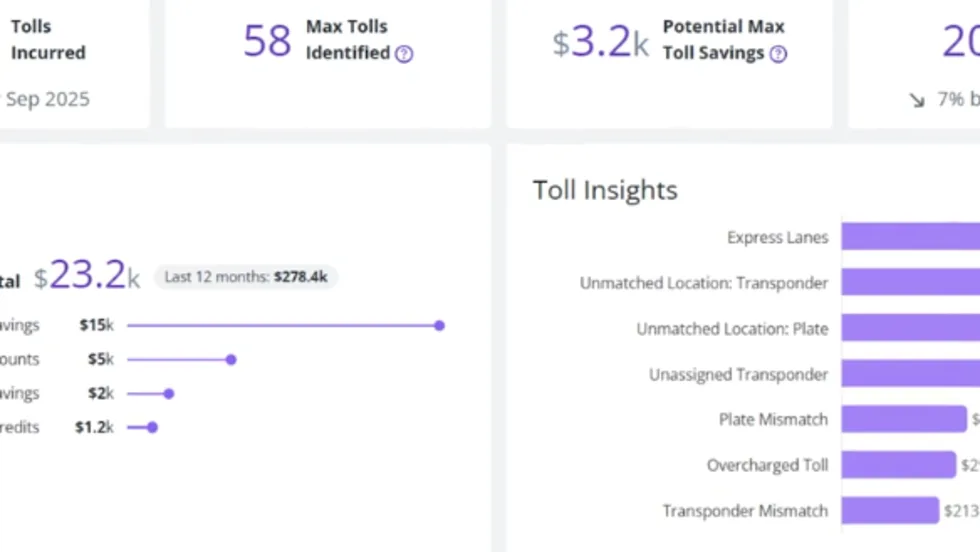
PrePass Intelligence Mines Fleet Bypass, Toll and Safety Data
PrePass Intelligence helps fleets measure bypass savings, flag potential toll overcharges, and spot suspicious transactions by combining data from separate systems.
Read More →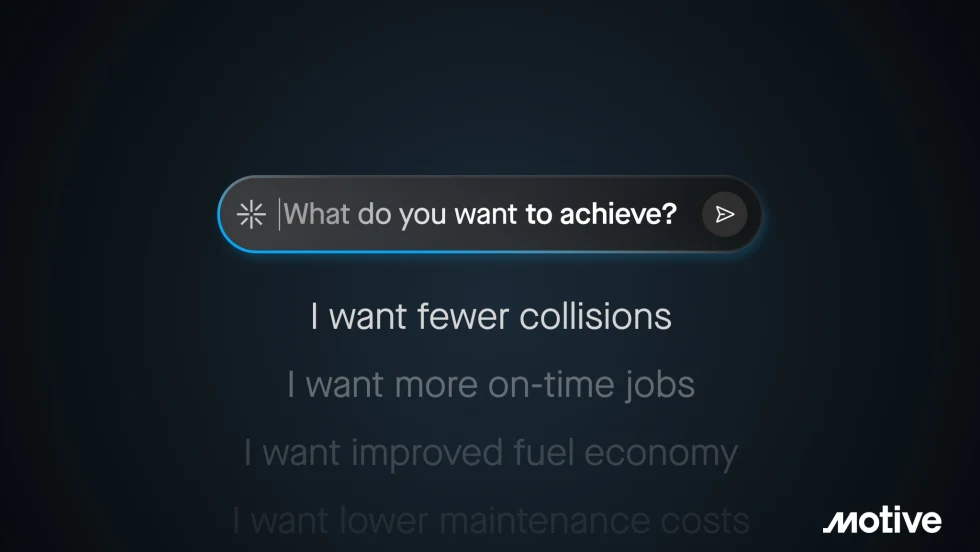
Motive Adds AI Agents for Fleet Operations
New tools automate follow-up on fleet data, from maintenance work orders to driver alerts, with two-way voice conversations planned for later this year.
Read More →
Can You Beat Our Trucking Trivia Challenge?
Test your truck knowledge with 19 trivia questions from Heavy Duty Trucking Exchange. Can you keep up with the fleet pros?
Read More →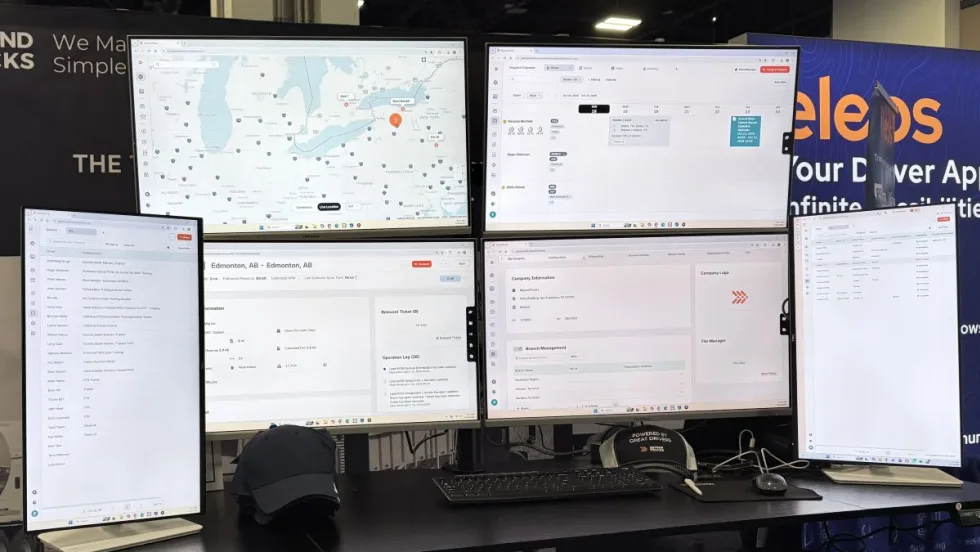
BeyondTrucks Adds Rules Checks to Dispatch
New Compatibility Engine checks driver qualifications, equipment requirements and fleet policies before loads are dispatched.
Read More →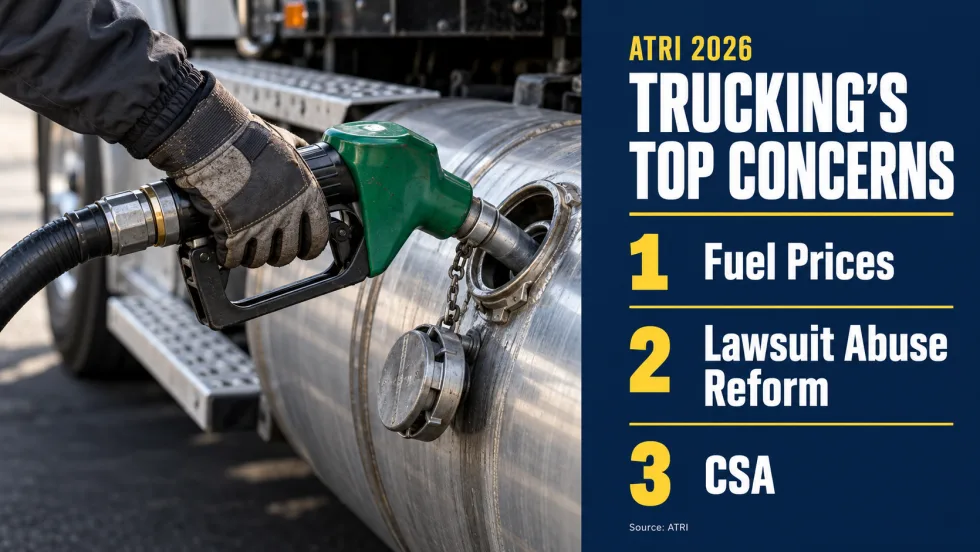
Diesel Prices Hijack Trucking’s Worry List
ATRI’s annual survey finds cautious optimism about freight, but diesel costs, litigation, and insurance continue to squeeze fleets. Drivers have different priorities on several issues.
Read More →
Nomination Deadline Extended for HDT Emerging Leaders
Just a few more days to nominate accomplished trucking fleet professionals under 40 who are making an impact and helping lead the industry forward for the HDT Emerging Leaders award. Deadline extended to October 20!
Read More →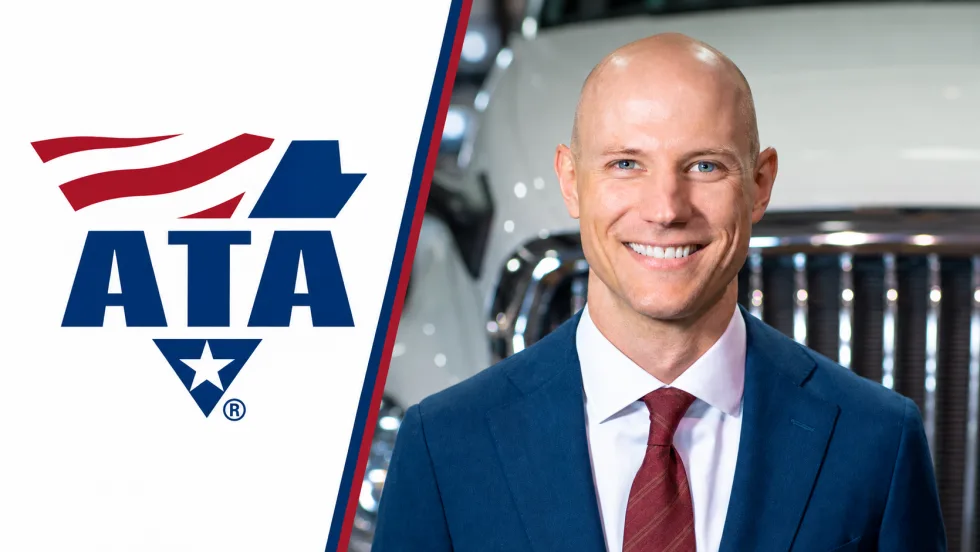
What Will ATA’s New Leader Bring to Trucking's Table?
Incoming President and CEO Mark Colson’s record in Alabama offers clues about his priorities and approach following Chris Spear’s abrupt departure as the head of the American Trucking Associations.
Read More →
Volvo, Waabi Start Commercial Autonomous Operations in Texas
Volvo VNL Autonomous trucks, powered by the Waabi Driver, are hauling freight directly to third-party facilities for a customer in Texas.
Read More →