




Group Pushes Congress to Up Federal Truck Weight Limit
The Coalition for Transportation Productivity is revving up its lobbying to increase the federal vehicle weight limit to 97,000 pounds for tractor-trailers equipped with a sixth axle.

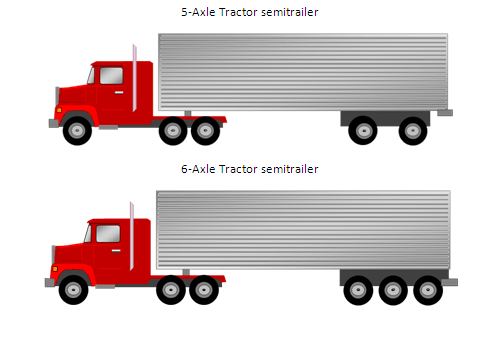
Image: Federal Highway Administration
Image: Federal Highway Administration
The legislative drive to allow the nationwide operation of twin 33-ft trailers isn’t the only effort under way on Capitol Hill to liberalize federal truck size/weight limits. The Coalition for Transportation Productivity is revving up its lobbying to increase the federal vehicle weight limit to 97,000 pounds for tractor-trailers equipped with a sixth axle.
CTP, a coalition of nearly 200 manufacturers, shippers, carriers and allied associations, says it "advocates for heavier-- not bigger-- six-axle trucks that meet the same safety standards as trucks currently allowed on interstates.”
To help make its case, this week the group urged Congress to review data from the Dept. of Transportation’s Comprehensive Truck Size & Weight Limits Study and then act to enable the heavier rigs.
The coalition sent a letter by CTP executive director John Runyan to members of Congress as well as a document highlighting data from the DOT’s technical findings that CTP said demonstrate the safety of heavier, six-axle trucks-- as well as how they would reduce logistics costs, pavement life-cycle costs, fuel costs, vehicle miles traveled, congestion and emissions.
While the letter points to positive findings within the federal report, it also takes DOT to task for how it categorized the results of its study of size/weight limits.
“The actual study data provides strong support for allowing trucks equipped with six axles to carry more freight on Interstate System highways,” Runyan’s letter states. “This is the real message for Congress, despite the fact that U.S. DOT political leadership, after three years of study and 1,100 pages of released data, wrote a cover letter citing insufficient information and recommending against any changes in truck size and weight regulations. While the Administration could not find a political path to support truck weight reform, we urge members of Congress to review the study findings for themselves and allow carefully crafted reforms in vehicle weight regulation to move forward.”
In both its letter and accompanying document, CTP cites DOT technical findings that six-axle trucks “weighing either 91,000 or 97,000 pounds maintain key braking and handling characteristics, allowing them to safely ship more freight and reduce vehicle miles traveled, logistics and pavement costs, and environmental impacts.”
CTP also notes that while “DOT justified its call for inaction by referencing a higher crash rate for six-axle trucks operating over a limited time period in the state of Washington, the technical report also shows that none of those accidents involving six-axle trucks were fatal. In contrast, the study found that five-axle trucks weighing 80,000 pounds (the current federal gross vehicle weight limit) were involved in 10 fatal crashes in Washington State during the same period.”
According to CTP, it favors “carefully crafted truck weight reform giving each state the option to set higher Interstate weight limits only for trucks equipped with six axles rather than the typical five. Because one-quarter of U.S. truck shipments meet the current Interstate weight limit with space left in the trailer, this proposal would allow companies to meet demand with fewer vehicles and make the U.S. transportation network more efficient, especially as gross domestic product and population continue to grow.”
More Fleet Management

Color Match Smarter: Tools That Restore & Perform
For fleet managers and collision repair professionals keeping heavy-duty trucks on the road, getting the color right the first time isn't just about appearance — it's about efficiency, turnaround time, and bottom-line results. Discover how today's digital color tools are transforming the repair process from guesswork to precision.
Read More →
FMCSA Pauses Biennial-Update Enforcement Amid Motus Transition
Carriers whose updates were due on or after June 1 have more time, while FMCSA works to stabilize its new registration system and warns of phishing sites impersonating its new carrier registration system, Motus.
Read More →
2026 Blueprint for Countering Smarter Supply Chain Theft
Cargo theft is no longer just the cost of doing business. It's a multi-billion-dollar criminal enterprise exploiting vulnerabilities across your fleet, drivers, and supply chain.
Read More →


How Telematics Improves Visibility, Control, and Performance in Refrigerated Fleets
Explore how telematics help refrigerated fleets improve visibility, uptime, efficiency, compliance, and cargo protection across connected cold chain operations.
Read More →
What the U.S.-Canada Trade War Means for Trucking
Escalating U.S.-Canada tariffs could disrupt cross-border freight, reduce truck volumes, raise costs, and create new uncertainty for carriers on both sides of the border.
Read More →
What Are Trucking’s Top Concerns for 2026?
The American Transportation Research Institute wants to know what's worrying trucking fleet managers, drivers, and other stakeholders in its annual Industry Issues survey.
Read More →
American Trucking Associations Looks for a New Leader
ATA President and CEO Chris Spear abruptly left his job at the association on August 21, at a pivotal time for the trucking industry.
Read More →
Public Wi-Fi Cybersecurity Risks: How Truck Drivers and Fleets Can Protect Their Data
Public Wi-Fi can expose truck drivers and fleets to credential theft, malware, and other cyber threats. Here’s how to reduce the risk on the road.
Read More →
For Nicky Cupp, Fleet Innovation Starts With Frustration
HDT Truck Fleet Innovator Nicky Cupp turns everyday pain points at Fraley & Schilling into opportunities for better technology and smarter processes.
Read More →
Adam Buttgenbach’s Approach to Electric Trucks: Start With Where They Fit
HDT Truck Fleet Innovator Adam Buttgenbach helped PepsiCo build one of North America’s largest EV fleets by focusing on where electric trucks make operational sense.
Read More →