




Economic Watch: Inflation, Leading Indicators, Consumer Sentiment Increase
Consumer prices moved up for the second straight month in March after falling during much of the winter, but remain at their lowest level in years.


Consumer prices moved up for the second straight month in March after falling during much of the winter, but remain at their lowest level in years.
On Friday the U.S. Commerce Department reported its Consumer Price Index increased 0.2% from the month before, matching the February hike that followed declines for three straight months.
Excluding volatile food and energy prices in March, the increase was still 0.2%. Compared to March 2014, these “core prices” are up 1.8%, the biggest 12-month increase since October, but overall inflation was down by 0.1% from a year ago.
Increases in energy and shelter prices more than offset a decline in the food prices and were the main factors in the increase for overall prices, according to the department. Energy prices rose 1.1% as advances in gasoline and fuel oil costs outweighed declines in electricity and natural gas prices.
The U.S. Federal Reserve has been closely watching inflation levels and earlier set a target of a 2% annual increase before possibly raising interest rates from their current near-zero level.
“As expected, consumer prices were modestly higher at the end of the first quarter, thanks to a slight reversal in energy prices and a bit of stabilization last month in the U.S. dollar," said Lindsey Piegza, chief economist at the investment firm Sterne Agee. "However, looking at the very negative Producer Price Index (wholesale prices), there are no pricing pressures in the pipeline waiting to be passed onto the consumer as we head into the second quarter."
She said Sterne Agee anticipates that inflation will be low for the rest of the year and into 2016, thanks to tepid domestic and international demand, the strong dollar and low energy prices.
From the Fed’s standpoint, with both the PPI and CPI now in net negative territory, there is no sense of pressure, let alone immediacy, to raise rates.
Leading Economic Indicators Improve
A separate report, also released Friday, of where the economy is headed in the next three to six months shows another rise.
The private business research group The Conference Board's Leading Economic Index for the U.S. increased 0.2% in March to 121.4, following a 0.1% gain in February, and a 0.2% hike in January -- just shy of what many analysts were forecasting.
“Although the Leading Economic Index still points to a moderate expansion in economic activity, its slowing growth rate over recent months suggests weaker growth may be ahead,” said Ataman Ozyildirim, economist at The Conference Board. “Building permits was the weakest component this month, but average working hours and manufacturing new orders have also slowed the LEI’s growth over the last six months.”
The Coincident Economic Index, which measures current economic activity for the U.S., increased 0.1% in March to 112, following improvements of 0.2% in both February and January.
The Conference Board Lagging Economic Index, which measures U.S. economic activity of previous months, moved 0.4% higher in March to 116.2, following gains of 0.3 percent each in February and January.
Consumer Confidence Rebounds
A third and preliminary report shows consumer optimism rebounded in early April to its second highest level since 2007, according to the University of Michigan Survey of Consumers, beating many analysts' expectations.
The survey also found consumer optimism has recorded a higher average level during the last five months than anytime since May 2004, increasing more than 3% this month from a final March figure to a level of 95.9. The number is 14% higher from the same time a year ago.
“While there were some important exceptions, the cumulative improvement in a broad range of economic assessments are now comparable to the peak levels recorded in the mid 2000's, although still well below the peaks in earlier decades,” said Surveys of Consumers Chief Economist Richard Curtin.
“The major exception has been in the expected size of future income gains. While expected income gains have improved over the recent recession lows, they have remained quite weak. Although lower inflation expectations have acted to bolster real income expectations, they also still remain at historically low levels.”
He noted consumer spending has become increasingly dependent on low interest rates, even as interest rate increases are widely expected during the year ahead.
“Importantly, few consumers now anticipate that the Federal Reserve would raise rates enough to affect their current purchase plans,” Curtain said. “Overall, the data continue to support a 3.3% growth rate in personal consumption expenditures during 2015, even with a weather-diminished first-quarter performance.”
More Fleet Management

Does Your Trucking Fleet Need a New TMS? [Video]
Cloud technology, AI and new integrations are changing what transportation management systems can do. But does taking advantage of those advances mean replacing your existing TMS?
Read More →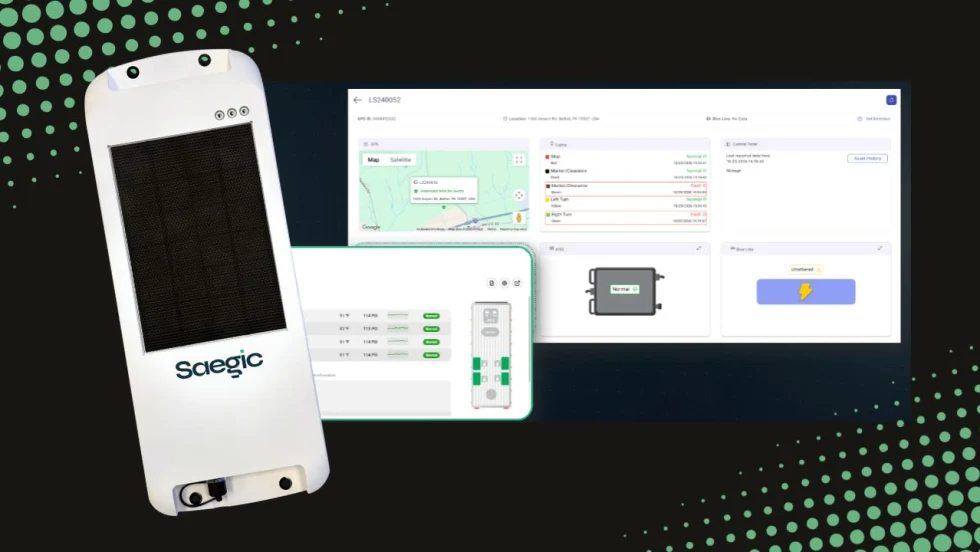
Road Ready Becomes Saegic, Launches New Trailer Telematics Gateway
Clarience Technologies is rolling out new hardware and expanding its plans for connecting trailer telematics, maintenance data, and video.
Read More →
Give Your Trucking Fleet a Cybersecurity Walkaround
Your fleet's cybersecurity policies may look good on paper. These seven checks can help you find out whether they’re working.
Read More →
Kodiak Lines Up Fleets for Driverless Trucking
An agreement for 75 trucks, a new Texas freight lane, and progress on safety validation move Kodiak closer to its planned driverless highway launch.
Read More →
ITS Logistics Settles Religious Harassment Case
The Nevada-based logistics firm agreed to pay more than $396,000 to settle a religious harassment charge involving an employee's Jewish identity.
Read More →
Your Trucks Are Busy. That Doesn’t Mean They’re Winning.
High utilization doesn’t always mean strong margins. Looking beyond the current load can help fleets make better dispatch decisions and get more value from each truck’s time.
Read More →
Why This Trucking Recovery Is Different
Freight demand remains sluggish, but rising costs and tougher enforcement have taken enough capacity out of the market to change the outlook for motor carriers.
Read More →
Platform Science Adds Dispatch and Safety Tools
Four additions to PS Fleet help fleets monitor loads, manage driver coaching, share truck locations and adjust video system settings.
Read More →
PrePass Intelligence Mines Fleet Bypass, Toll and Safety Data
PrePass Intelligence helps fleets measure bypass savings, flag potential toll overcharges, and spot suspicious transactions by combining data from separate systems.
Read More →
Motive Adds AI Agents for Fleet Operations
New tools automate follow-up on fleet data, from maintenance work orders to driver alerts, with two-way voice conversations planned for later this year.
Read More →