




FMCSA Chief Safety Officer Lays Out 2015 Priorities at ATA
SAN DIEGO – Even though next year is still about three months away, the Federal Motor Carrier Safety Administration has set some priorities for 2015, including electronic logs and "inspection modernization."


FMCSA Chief Safety Officer Jack Van Steenberg talks about the agency's 2015 priorities. Photo by Evan Lockridge

FMCSA Chief Safety Officer Jack Van Steenberg talks about the agency's 2015 priorities. Photo by Evan Lockridge
SAN DIEGO – Even though next year is still about three months away, the Federal Motor Carrier Safety Administration has set some priorities for 2015.
Speaking at the American Trucking Associations’ Management Conference & Exhibition on Sunday, FMCSA Chief Safety Officer Jack Van Steenberg said the agency’s top five priorities include getting out rules that will eventually require the use of electronic logging devices to monitor driver compliance with hours of service rules.
“We would love to see it get to the secretary’s office in the spring of 2015 and we would love to have a final rule sometime in 2015,” he said. Steenburg said the agency has been wading through some 2,000 comments on the matter.
“There is a lot to consider when it comes to the electronic logging devices. We want to get it right and we want to get it right the first time,” he said.
Van Steenburg said many people are for the regulation, but conceded a significant number are against it. He offered few details of what will be in the rule, because it is still under development, but added the FMCSA “believes it is the right way to go,” benefiting both carriers and drivers.
Steenburg also told the audience the agency is continuing to place a priority on developing the Unified Registration System. “Since the rule kicked off in November, there have been 102,000 carriers that have been deactivated” mostly due to them not updating their data, and in his estimation, having ceased operations. Coming in a year, he said, will be new rules that are expected to make it easier for carriers to update their UCR information, along with new tools to prevent what he called the “reincarnation of carriers who are trying to avoid some safety action by the FMCSA.”
Also on the agency’s priority list is safety fitness determination, which will be part of the agency’s Compliance, Safety and Accountability program, that will include having a rating/score of carriers.
The agency also plans to move forward with what Van Steenberg called "inspection modernization,” as part of an effort to eliminate duplicative charges against a driver that arise during an inspection, such as having more than one light out on a tractor-trailer or a driver forgetting to sign his logbook for three straight days. “It will eliminate those multiple violations that we so often hear from the industry about,” he said.
As part of this change to the CSA system, FMCSA also hopes it will be able to better target what Van Steenberg said are some 2,000 carriers a month that the agency has issued out-of-service orders to but remain running on the road.
Lastly, the agency hopes to implement next year a third phase of CSA in which agency investigators will have new tools, including software for conducting compliance reviews, including off site.
More Fleet Management
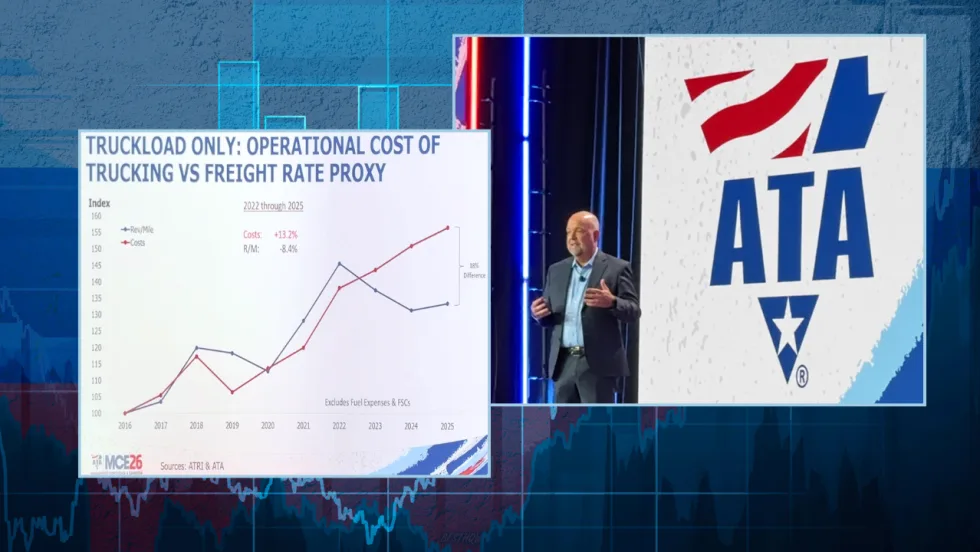
Why This Trucking Recovery Is Different
Freight demand remains sluggish, but rising costs and tougher enforcement have taken enough capacity out of the market to change the outlook for motor carriers.
Read More →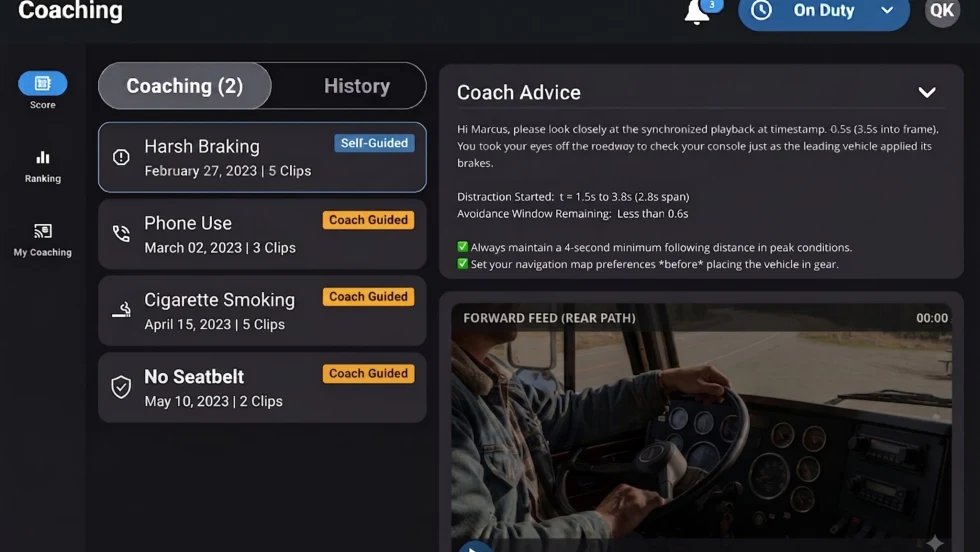
Platform Science Adds Dispatch and Safety Tools
Four additions to PS Fleet help fleets monitor loads, manage driver coaching, share truck locations and adjust video system settings.
Read More →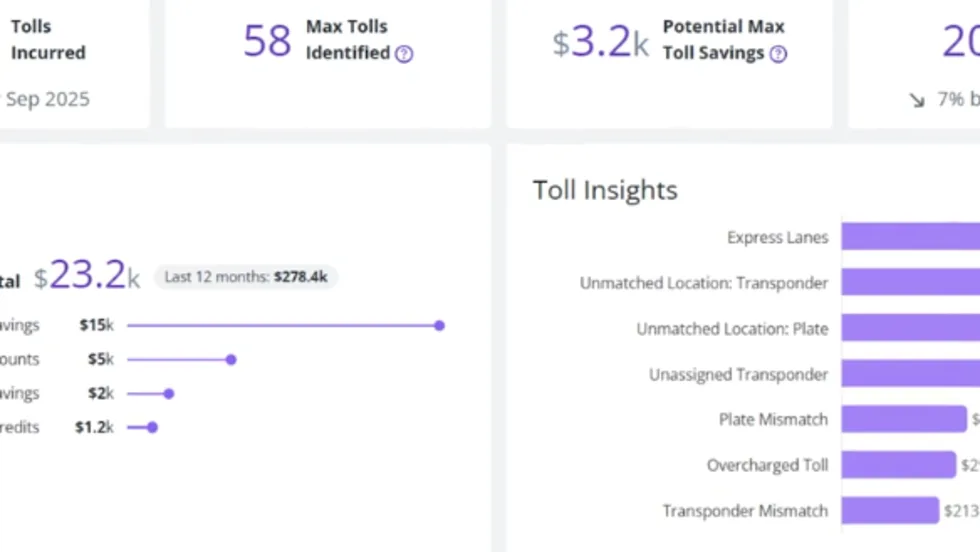
PrePass Intelligence Mines Fleet Bypass, Toll and Safety Data
PrePass Intelligence helps fleets measure bypass savings, flag potential toll overcharges, and spot suspicious transactions by combining data from separate systems.
Read More →
Motive Adds AI Agents for Fleet Operations
New tools automate follow-up on fleet data, from maintenance work orders to driver alerts, with two-way voice conversations planned for later this year.
Read More →
Can You Beat Our Trucking Trivia Challenge?
Test your truck knowledge with 19 trivia questions from Heavy Duty Trucking Exchange. Can you keep up with the fleet pros?
Read More →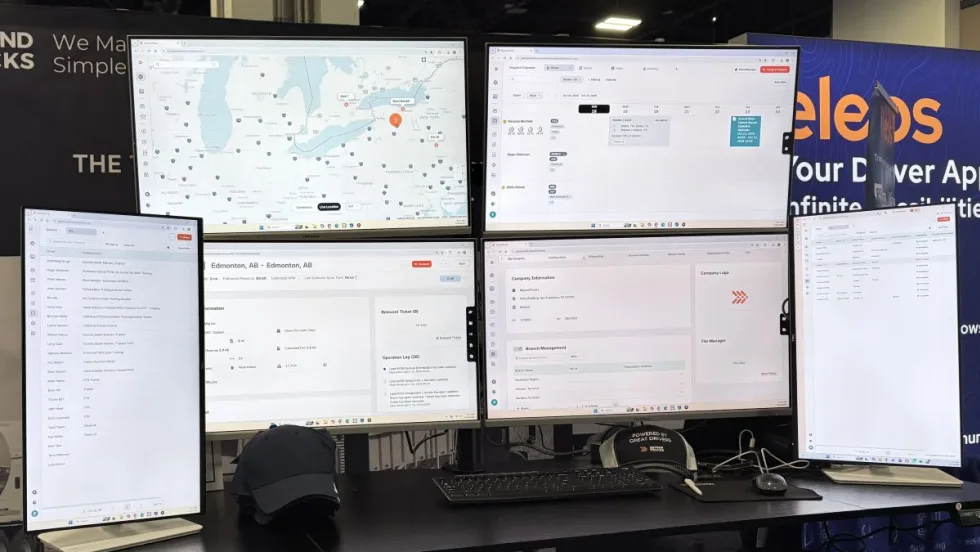
BeyondTrucks Adds Rules Checks to Dispatch
New Compatibility Engine checks driver qualifications, equipment requirements and fleet policies before loads are dispatched.
Read More →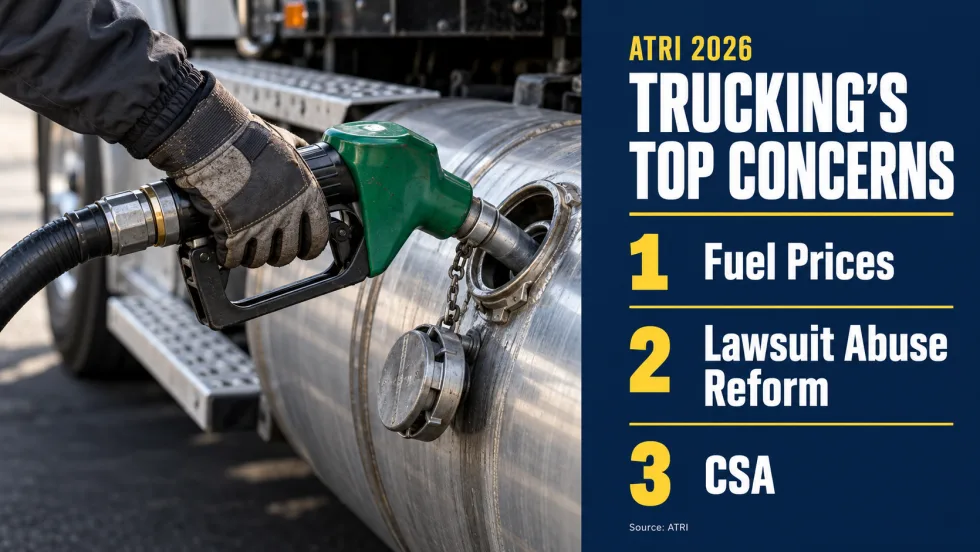
Diesel Prices Hijack Trucking’s Worry List
ATRI’s annual survey finds cautious optimism about freight, but diesel costs, litigation, and insurance continue to squeeze fleets. Drivers have different priorities on several issues.
Read More →
Nomination Deadline Extended for HDT Emerging Leaders
Just a few more days to nominate accomplished trucking fleet professionals under 40 who are making an impact and helping lead the industry forward for the HDT Emerging Leaders award. Deadline extended to October 20!
Read More →
What Will ATA’s New Leader Bring to Trucking's Table?
Incoming President and CEO Mark Colson’s record in Alabama offers clues about his priorities and approach following Chris Spear’s abrupt departure as the head of the American Trucking Associations.
Read More →
Volvo, Waabi Start Commercial Autonomous Operations in Texas
Volvo VNL Autonomous trucks, powered by the Waabi Driver, are hauling freight directly to third-party facilities for a customer in Texas.
Read More →