




Congress Lacks Vision to Support Infrastructure, LaHood Says
The Erie Canal, Hoover Dam, the Golden Gate Bridge, the Interstate Highway System – all were built by men of vision, but today Congress lacks enough such people to rebuild America’s worn and aging infrastructure, said former Transportation Secretary Ray LaHood, calling for a 10-cent-a-gallon increase in the fuel tax.

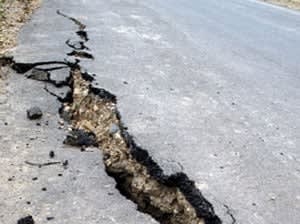
“We need a pot of money to fix our roads and bridges, but America is one big pothole." Ray LaHood, former U.S. DOT secretary.
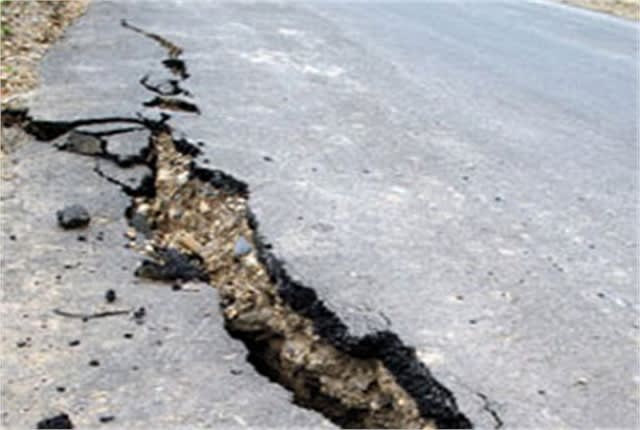
“We need a pot of money to fix our roads and bridges, but America is one big pothole." Ray LaHood, former U.S. DOT secretary.
The Erie Canal, Hoover Dam, the Golden Gate Bridge, the Interstate Highway System – all were built by men of vision, but today Congress lacks enough such people to rebuild America’s worn and aging infrastructure, said Ray LaHood, himself a former congressman and the first secretary of transportation in the Obama administration.
“There are no projects like that today because there’s no vision” in Congress, charged LaHood, a Republican congressman who went to work for the Democratic administration. He spoke Wednesday night to a group of reporters and guests of Caterpillar Inc. at its Edwards Demonstration & Learning Center west of Peoria, Ill., LaHood’s home town.
“We need a pot of money to fix our roads and bridges, but America is one big pothole,” he said. “Over 3,000 bridges need to be fixed up” because they are deficient and were further ravaged from the recent rough winter when tons of deicing salt poured on their decks. But Congress is not capable of passing a six-year highway bill that the nation sorely needs.
“We need a 10-cent-a-gallon increase in the gas tax, and just as important, it needs to be indexed to the cost of living,” he said. “If the [federal] gas tax that was last raised in 1993 had been indexed, we’d have a pot of money now to support the Highway Trust Fund.”
Because of the vision of President Dwight Eisenhower and the establishment of the trust fund as part of landmark legislation in 1956, the Interstate system was built, and it has been a tremendous boon to the economy. But now members of Congress can’t agree to pass legislation that’s needed to continue its maintenance and pay for other projects.
“We used to be number one in infrastructure, and now we’re number 15,” he lamented. “Increasing the gas tax would help companies like Caterpillar, which could build the machines to help build the roads, and would create jobs for people who would work on them.” LaHood, who left his DOT job last year, said he now consults for Cat and other concerns.
“Build an Interstate road and you create a corridor of commerce. Look what happened when we built the Interstate System – businesses sprung up along them, and they’re owned by small businesspeople.” Industrialists look for infrastructure in siting their factories and other facilities, and right now they’re going to China, which is investing heavily in infrastructure, he said.
Next Tuesday's general election is very important because all 435 members of Congress will be elected, and we need the right people to go to Washington and work together to accomplish visionary projects, he said.
LaHood praised President Barack Obama and others in his administration, including himself, for having the vision to boost high-speed passenger rail transport. “America needs world-class high-speed rail,” he said, and progress was made with the $8 billion that was part of the $880 billion economic stimulus package passed by a bi-partisan majority of Congress during the Great Recession.
Too many in Congress oppose the Obama administration’s ideas “just because they’re his,” he said, later acknowledging that most of the obstructionists are Republicans. Yet “I’m still a Republican, and proud of it.”
More Fleet Management

How Telematics Improves Visibility, Control, and Performance in Refrigerated Fleets
Explore how telematics help refrigerated fleets improve visibility, uptime, efficiency, compliance, and cargo protection across connected cold chain operations.
Read More →
What the U.S.-Canada Trade War Means for Trucking
Escalating U.S.-Canada tariffs could disrupt cross-border freight, reduce truck volumes, raise costs, and create new uncertainty for carriers on both sides of the border.
Read More →
What Are Trucking’s Top Concerns for 2026?
The American Transportation Research Institute wants to know what's worrying trucking fleet managers, drivers, and other stakeholders in its annual Industry Issues survey.
Read More →

American Trucking Associations Looks for a New Leader
ATA President and CEO Chris Spear abruptly left his job at the association on August 21, at a pivotal time for the trucking industry.
Read More →
Public Wi-Fi Cybersecurity Risks: How Truck Drivers and Fleets Can Protect Their Data
Public Wi-Fi can expose truck drivers and fleets to credential theft, malware, and other cyber threats. Here’s how to reduce the risk on the road.
Read More →
For Nicky Cupp, Fleet Innovation Starts With Frustration
HDT Truck Fleet Innovator Nicky Cupp turns everyday pain points at Fraley & Schilling into opportunities for better technology and smarter processes.
Read More →
Adam Buttgenbach’s Approach to Electric Trucks: Start With Where They Fit
HDT Truck Fleet Innovator Adam Buttgenbach helped PepsiCo build one of North America’s largest EV fleets by focusing on where electric trucks make operational sense.
Read More →
Deen Albert: Let Automation Do the Math, People Make the Decisions
HDT Truck Fleet Innovator Deen Albert makes sure people are still at the heart of operations at Grand Island Express, even while adopting artificial intelligence tools. AI-assisted dispatch helped boost revenue 25% with the same number of trucks.
Read More →
Trimble’s New AI Agent Takes Aim at Fleet Back-Office Busywork
Arc Agent works across Trimble TMS products to automate repetitive tasks such as freight orders, maintenance, invoices, fuel costs and more.
Read More →
How HDT’s 2026 Truck Fleet Innovators Are Rethinking Fleet Operations
Meet five trucking leaders who are challenging assumptions, solving operational problems, and putting innovative ideas to work.
Read More →