




Port of New York and New Jersey Asked to Tackle Freight Delays
A group representing the nation’s retailers is urging officials with the Port of New York and New Jersey to do something about increasing delays at its terminals.

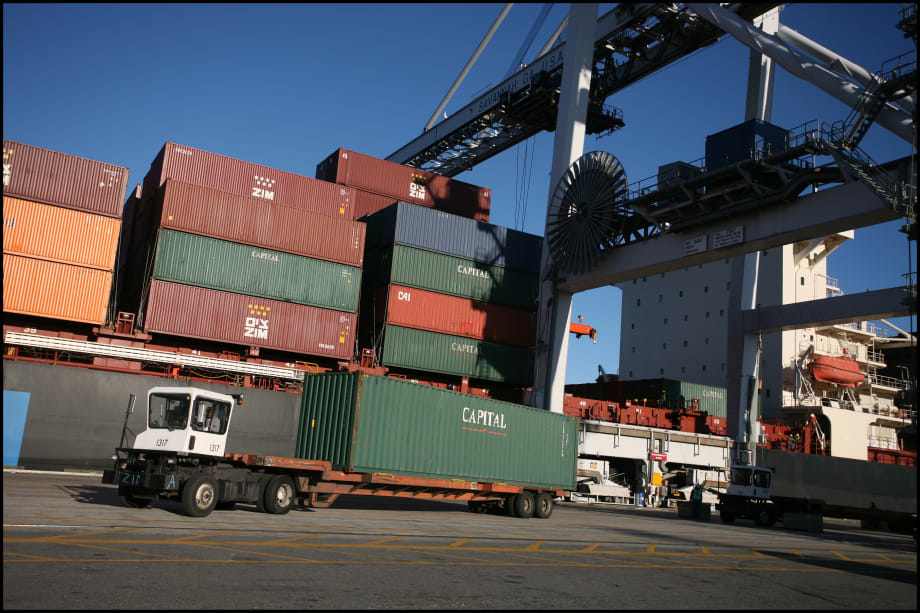
A group representing the nation’s retailers is urging officials with the Port of New York and New Jersey to do something about increasing delays at its terminals.
The Retail Industry Leaders Association has sent a letter to the Port Authority of New York and New Jersey in response to ongoing productivity issues impairing retailers’ ability to meet due dates on products and cargo moving through the port.
"The disruptions that have been taking place at the port have had damaging consequences on the delivery of retailers’ goods…retailers are concerned that further disruptions will take place, resulting in lost sales, empty shelves, and disappointed customers,” the letter said.
The letter outlines four initiatives the authority and other stakeholders can pursue to alleviate the backlog and restore productivity to port operations:
Terminals should staff themselves for a complete two-shift operation, at a minimum, including weekends and holidays until on-dock, gate, and rail operations return.
Chassis inspections should be conducted in a safe and reasonable manner that does not place units “out of service” that are not an immediate hazard.
The port should assign constant traffic oversight to mitigate the ripple effect of one terminal queue impacting others.
Fees that are attributable to the delays caused by the port’s challenges should be suspended until the port operations can return to normal.
Delays at Port of New York and New Jersey have been going on for several months, but have been made worse recently due to extreme winter weather.
RILA said it applauds the port’s recent efforts to proactively organize a broad-based industry task force to recommend overall port improvements, however, it is concerned about the timing since the task force is not scheduled to give a report until June. “Considering the current impact that the port disruption is having on retailers’ supply chains, the situation needs to be alleviated immediately,” the group said.
“In addition to the delays and enormous backlog of cargo, the Port of New York and New Jersey is dealing with significant challenges to its infrastructure and technology and suffers from a lack of workers at the port and terminal to handle the amount of cargo that flows through the port each day,” RILA said.
RILA also shared the letter with the governors of New York and New Jersey, executives at the United States Maritime Alliance, the International Longshoremen’s Association, the New York State Motor Truck Association, the World Shipping Council, the New York Shipping Association and the New Jersey Motor Truck Association.
The move comes as the Port of Virginia has announced the formation of the Motor Carrier Task Force to focus on issues at the state-controlled marine terminals that are affecting the ability of truck drivers to efficiently move cargo in and out of the terminals.
More Drivers

Truck Drivers Need More Than Another Alert
Fleets have more visibility into truck health, safety events, and driver activity than ever. The next challenge is turning all that information into useful guidance for the person who has to decide what to do next.
Read More →
FMCSA Removes 110 Truck Driver Training Schools from Certified ELDT List
Federal regulators also are targeting more than 160 additional training providers and launching a nationwide audit of third-party CDL skills testers as part of a broader crackdown on trucking fraud.
Read More →
Hours of Service Pilot Programs: FMCSA Readies for 2027 Rollout
Two pilot programs could eventually reshape hours-of-service rules, giving truck drivers options to pause their 14-hour clock or use longer split sleeper rest periods.
Read More →
Medical Cards, English Proficiency Reshape Roadcheck Violations
Medical-card violations jumped to the top of the driver out-of-service list during CVSA’s 2026 International Roadcheck, while English-language proficiency violations appeared among the leading violations for the first time.
Read More →
Driver Trust Can Make or Break the Success of Fleet Safety Technology
New Teletrac Navman research suggests that onboarding, transparency about driver data, and positive feedback can play a significant role in how commercial drivers respond to safety and coaching technology.
Read More →
EEOC Sues KLLM Over Alleged Sex Discrimination in Driver Training
KLLM is facing a federal sex-discrimination lawsuit over policies the EEOC alleges put female truck driver trainees at a disadvantage.
Read More →
FMCSA Moves to Codify English Language Requirements for Commercial Drivers
By changing regulations on English-language proficiency requirements for commercial drivers, rather than relying on a guidance memo, the FMCSA said future administrations won't be able to walk back the Trump administration's stricter enforcement with just a memo.
Read More →
Drivers Put Western Star Trucks to the Test at Star Nation Experience
Watch to get an inside look at the Western Star trucks, technology, and community behind the Star Nation Experience 2026!
Read More →
Trump Administration Looks to Put More Veterans Behind the Wheel
The Freedom Haulers program pulls together existing and expanded programs at several federal agencies to recruit veterans to drive commercial heavy-duty trucks and cut the red tape for them to get a CDL, training, and employment.
Read More →
Putting Mack’s Command Steer to the Test
A test drive of Mack’s Command Steer active steering system evaluates how it can make truck driving easier and less tiring.
Read More →