




After the Hours-of-Service Ruling: Research on 34-Hour Restart, Action on Capitol Hill
Even as a federal court was recently upholding most of the hours of service rules, the Federal Motor Carrier Safety Administration has been working on a field study of the 34-hour restart.
Even as a federal court was recently upholding most of the hours of service rules, the Federal Motor Carrier Safety Administration has been working on a field study of the 34-hour restart that could influence that provision in the future, and there's a move on Capitol Hill to force the agency to return to the old rules.
Congress ordered the study in last year’s highway bill, at the insistence of the American Trucking Associations, which said the agency should confirm in the field the finding from a laboratory study that daytime sleep is not as restorative as nighttime sleep.
That finding is the scientific basis for the requirement that a driver take two periods off between 1 a.m. and 5 a.m. during his 34-hour restart, and it figured prominently in the court’s decision to uphold the provision.
It remains to be seen if the data from the field study will be persuasive enough for the agency to reconsider its approach to the restart.
Data collection for the study was finished in July and the final report is expected later this year, said agency spokesperson Marissa Padilla.
Meanwhile, there is a move in the House of Representatives to cut off funding for implementation or enforcement of the new hours and return to the old rule.
An attempt by Rep. Richard Hanna, R-N.Y., and several others to attach the amendment to transportation funding legislation failed when House leaders withdrew the bill.
But Hanna will pursue the amendment, said Renee Gamela, his communications director.
“He’s been discussing the amendment with colleagues and we’re confident it would have strong, bipartisan support when it comes up,” Gamela said.
The amendment is supported by 16 trucking and shipping interests, including ATA, OOIDA and UPS, as well as the Transportation Intermediaries Association, the National Retail Federation and the National Grocers Association.
Hanna, joined by Reps. Tom Rice, R-S.C., Trey Radel, R-Fla., and Todd Rokita, R-Ind., said in a Dear Colleague letter that the new rule decreases driver flexibility and raises costs – complaints that have been aired by all of the industry interests.
More Fleet Management

Can You Beat Our Trucking Trivia Challenge?
Test your truck knowledge with 19 trivia questions from Heavy Duty Trucking Exchange. Can you keep up with the fleet pros?
Read More →
BeyondTrucks Adds Rules Checks to Dispatch
New Compatibility Engine checks driver qualifications, equipment requirements and fleet policies before loads are dispatched.
Read More →
Diesel Prices Hijack Trucking’s Worry List
ATRI’s annual survey finds cautious optimism about freight, but diesel costs, litigation, and insurance continue to squeeze fleets. Drivers have different priorities on several issues.
Read More →
Nomination Deadline Extended for HDT Emerging Leaders
Just a few more days to nominate accomplished trucking fleet professionals under 40 who are making an impact and helping lead the industry forward for the HDT Emerging Leaders award. Deadline extended to October 20!
Read More →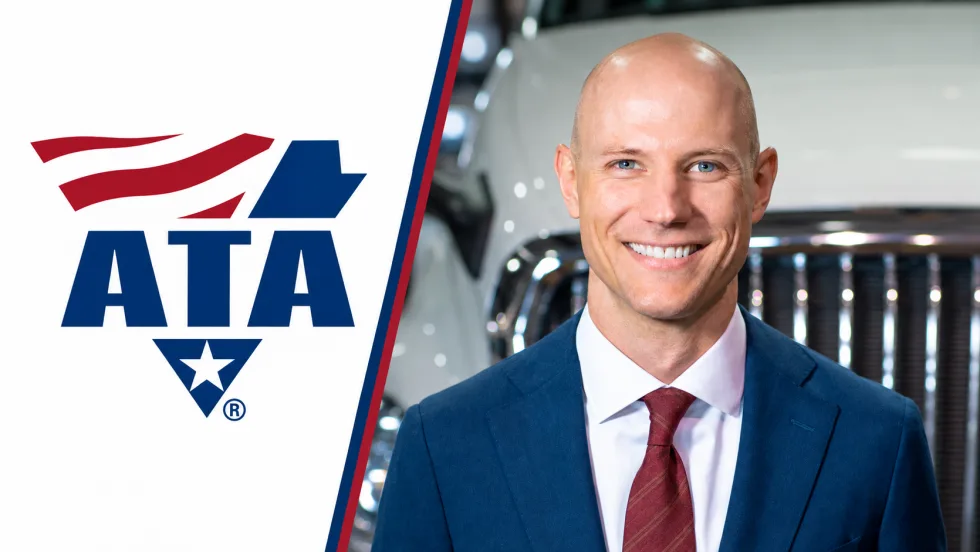
What Will ATA’s New Leader Bring to Trucking's Table?
Incoming President and CEO Mark Colson’s record in Alabama offers clues about his priorities and approach following Chris Spear’s abrupt departure as the head of the American Trucking Associations.
Read More →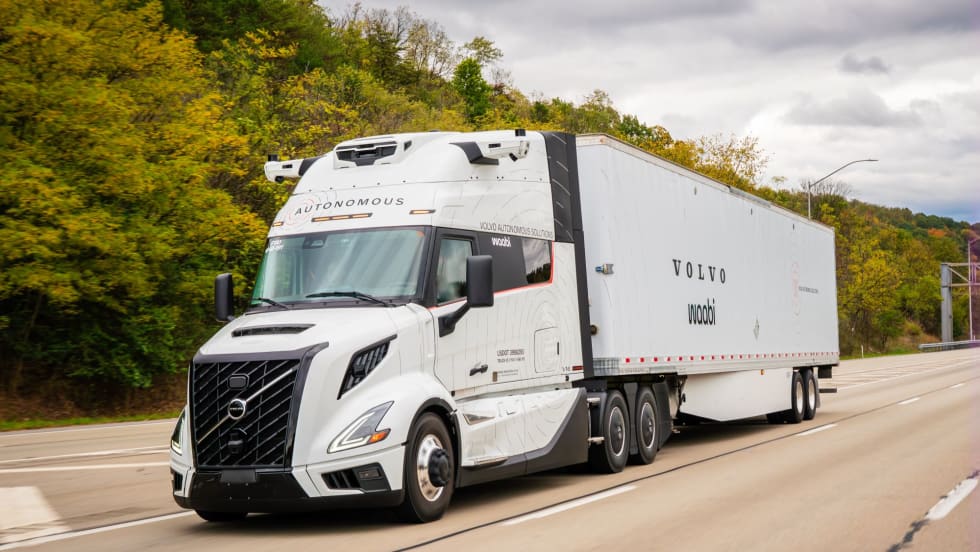
Volvo, Waabi Start Commercial Autonomous Operations in Texas
Volvo VNL Autonomous trucks, powered by the Waabi Driver, are hauling freight directly to third-party facilities for a customer in Texas.
Read More →
Samsara Launches Custom AI Agent Builder
Agent Studio lets fleets create AI tools for hours-of-service monitoring, reporting and driver support, including agents that communicate by phone.
Read More →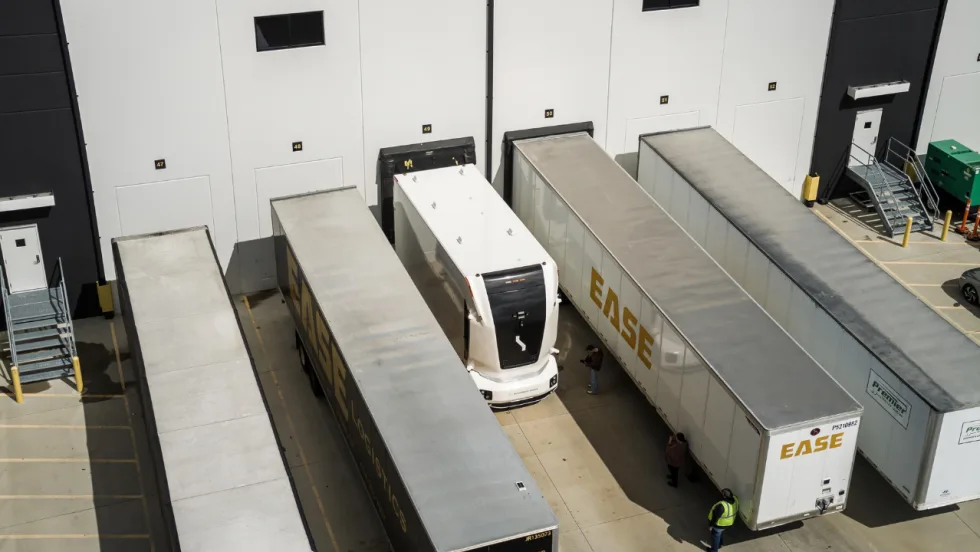
Einride Driverless Electric Trucks Begin Daily Freight Operations in Ohio
Two cabless electric trucks are hauling freight between EASE Logistics facilities in Marysville, Ohio, as part of a multi-state truck automation project.
Read More →
Geotab Links Fleet Card to Vehicle Data
The new card combines fuel discounts with telematics-based purchase controls. Geotab’s analysis also points to potential savings from choosing lower-priced fuel stops.
Read More →
How MFA Helps Protect Trucking Fleets
Multi-factor authentication adds protection when passwords are stolen. Here’s how it works and where fleets should start.
Read More →