




Survey Shows Fleet Use of E-logs, CSA Compliance Methods and Costs along with Expansion Plans
Newly released results from a survey of fleets show more are adopting e-logs to monitor driver compliance with hours-of-service regulations. The survey also reveals what they are doing and how much it costs to comply with the CSA program, as well as plans for adding capacity that include more plan to add independent contractor drivers.



Newly released results from a survey of fleets show more are adopting e-logs to monitor driver compliance with hours-of-service regulations. The survey also reveals what they are doing and how much it costs to comply with the CSA program, as well as plans for adding capacity that include more plan to add independent contractor drivers.
Transport Capital Partners, which provides advisory services to fleets, says its First Quarter 2013 Business Expectations Survey found that the percentage of carriers using electronic logs on all their trucks increased dramatically in just three quarters, from 25% in May 2012 to 35% in February. Two-thirds of responding carriers are already testing or using e-logs on their trucks and another 10% are considering them but have yet to make the transition.
The survey also found 71% of smaller carriers are still not using e-logs, while 43% of larger carriers have all their trucks on e-logs. TCP says this may be reflective of larger truck lines having the financial resources to fund, train, and manage compliance, while smaller carriers are postponing the expense until a federal deadline.
Improving CSA Scores
Carriers have also continued to undertake multiple efforts to improve their CSA scores over the last three years. The most common approach remains educating drivers, but 64% have also changed how they handle sub-performing drivers. Almost half surveyed have changed their hiring standards or changed their incentive programs for clean inspections.
Carriers were also surveyed on the cost of CSA compliance and on the level of shippers’ concerns about CSA scores. 34% of carriers believe the compliance cost is less than $500 per driver, while 35% believe compliance costs are between $501 and $1,000. Carriers report the number of shippers who are concerned about carrier CSA scores increased slightly, from 79% percent to 84% since May of 2012.
“The cost of compliance, along with decreasing productivity, the corresponding decrease in driver earnings, and the planned tightening of hours-of-service rules are part of the regulatory burden which has both directly and indirectly impacted carriers,” said Richard Mikes, survey leader and TCP partner.
Increasing Capacity
This same survey also found that nearly two-thirds of the carriers plan to increase capacity in the next 12 months, up from 51% last quarter. Carriers remain conservative, however, in estimating how much capacity they will add. 38% report that their capacity additions will be 5% or less, while only 20% of carriers plan to increase capacity by 6-10%.
“The industry has historically responded to more freight with more trucks, somewhat to its own detriment. With the driver issues, regulations and tight profit margins of this cycle have been different so far,” said Mikes.
For those who are planning to add capacity, larger carriers are more conservative than the smaller carriers in their buying plans. TCP says it believes most of this capacity increase will be in specific business lines, such as dedicated carriage and intermodal for example, rather than across the board general fleet increases.
“Going into the recession, publicly owned carriers cut trucks 20-25% and they have not added back more. Most trucks are being sold as replacements,” said Steven Dutro, TCP Partner.
Turning to Owner-Operators
For the past several quarters, TCP found there has been a downward trend in carriers who plan to add capacity with independent contractors. However, for the first time since February of 2011, this trend ticked upward, with 22% planning to add capacity with contractors, up one-third from the all-time low of 17% in the fourth quarter of 2012. The most commonly reported method for adding capacity is through company equipment that is either financed or purchased on a lease.
“More carriers report interest in lease programs for new independent contractors and some carriers are also looking at complimentary strategic acquisitions of fleets with newer trucks,” said Mikes.
More Drivers

When Language Stops the Truck: The Return of ELP Out-of-Service Orders
English language proficiency rules for commercial drivers aren’t new, but renewed out-of-service enforcement has raised the stakes. Here’s what carriers need to know before a driver reaches a roadside inspection.
Read More →
Samsara Launches Custom AI Agent Builder
Agent Studio lets fleets create AI tools for hours-of-service monitoring, reporting and driver support, including agents that communicate by phone.
Read More →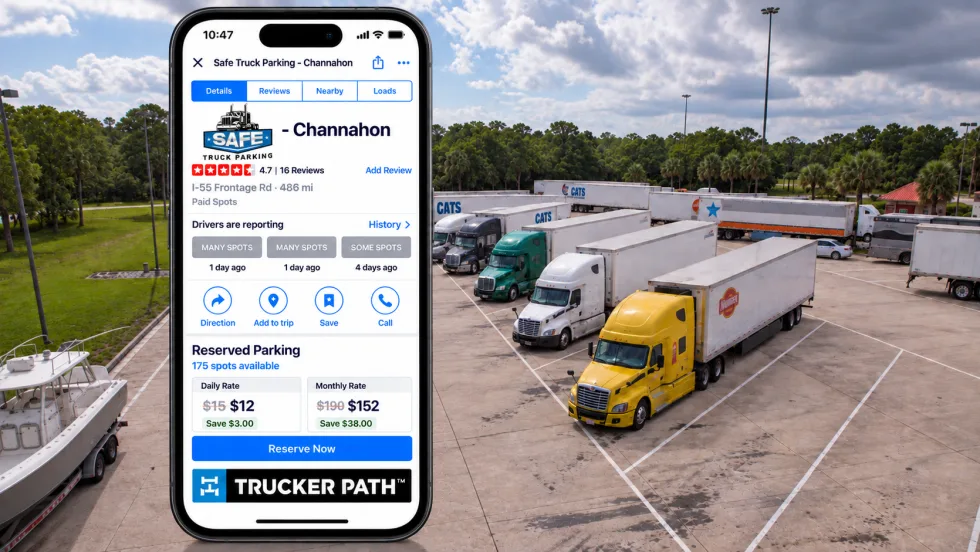
Trucker Path Expands Reserved Parking Network
Trucker Path has added close to 6,000 more truck parking spaces to its Trucker Path Reserved Parking Network with the addition of Safe Truck Parking.
Read More →
EEOC Sues Texas Trucking Company Over Driver Age Limits
The agency says Trancasa USA rejected applicants over 65 and applied tougher driving-record standards to those over 60.
Read More →
Nussbaum, Roehl Announce Second Driver Pay Increase This Year
This year has seen a swath of major truck driver pay increases as freight capacity has tightened.
Read More →
From One Generation to the Next: How Mentorship Builds Safer Truck Drivers
After three decades in trucking, Harold Perry shares what he's learned about driver safety, mentorship, and helping the next generation build confidence behind the wheel.
Read More →
Truck Drivers Need More Than Another Alert
Fleets have more visibility into truck health, safety events, and driver activity than ever. The next challenge is turning all that information into useful guidance for the person who has to decide what to do next.
Read More →
FMCSA Removes 110 Truck Driver Training Schools from Certified ELDT List
Federal regulators also are targeting more than 160 additional training providers and launching a nationwide audit of third-party CDL skills testers as part of a broader crackdown on trucking fraud.
Read More →
Hours of Service Pilot Programs: FMCSA Readies for 2027 Rollout
Two pilot programs could eventually reshape hours-of-service rules, giving truck drivers options to pause their 14-hour clock or use longer split sleeper rest periods.
Read More →
Medical Cards, English Proficiency Reshape Roadcheck Violations
Medical-card violations jumped to the top of the driver out-of-service list during CVSA’s 2026 International Roadcheck, while English-language proficiency violations appeared among the leading violations for the first time.
Read More →