




State Pot Laws Do Not Apply to Truck Drivers
States are loosening restrictions on marijuana but that does not mean truck drivers can kick back and light up a joint. In last November’s election, voters in Washington and Colorado made it legal to possess an ounce of pot and use it for recreation. And Massachusetts joined the17 other states (and the District of Columbia) that allow medical marijuana.
States are loosening restrictions on marijuana but that does not mean truck drivers can kick back and light up a joint.
In last November’s election, voters in Washington and Colorado made it legal to possess an ounce of pot and use it for recreation. And Massachusetts joined the17 other states (and the District of Columbia) that allow medical marijuana.
But marijuana is illegal under federal law, and its use is expressly forbidden for transportation workers, including truck and bus drivers.
“We want to make it perfectly clear that the state initiatives will have no bearing on the Department of Transportation’s regulated drug testing program,” said Jim Swart, DOT director of drug and alcohol compliance in a message to the industry.
DOT rules classify marijuana as a Schedule 1 drug that is forbidden to truck drivers.
Swart said Medical Review Officers “will not” classify a positive marijuana test as negative in the states that permit recreational or medicinal use.
The drug testing rules will apply no matter how the difference between federal and state laws is resolved, Swart indicated.
“It remains unacceptable for any safety-sensitive employee subject to drug testing under the Department of Transportation’s drug testing regulations to use marijuana,” he said in the statement.
According to news reports the Obama administration still is considering what action, if any, to take in response to the votes in Washington and Colorado.
Federal statistics show that marijuana is a relatively small problem among truck drivers.
The Federal Motor Carrier Safety Administration estimates a 0.6% marijuana usage rate among commercial drivers in 2011, based on random tests.
The estimates for non-random tests such as pre-employment or post-crash do not break out different types of drugs, but do indicate a slightly higher usage rate in general. For instance, the estimate for a positive test for any drug in a random test in 2011was 0.9%, while the estimate for a pre-employment test was 1.2%.
Meanwhile, FMCSA is pressing ahead with a rule that will create a national clearinghouse for drug and alcohol test results.
The proposed rule, long sought by trucking interests, has been in the works since 2009 and is scheduled to be released by the end of April. Among other things, it will require carriers to query the clearinghouse when screening applicants for driving job, and annually after they are hired. Third-party service providers could do these searches.
In another drug-related development, trucking interests are pressing Congress to pass a bill that would require DOT to study the use of hair analysis as an alternative to urinalysis.
American Trucking Associations contends that hair analysis is more reliable and accurate than urinalysis.
More Fleet Management
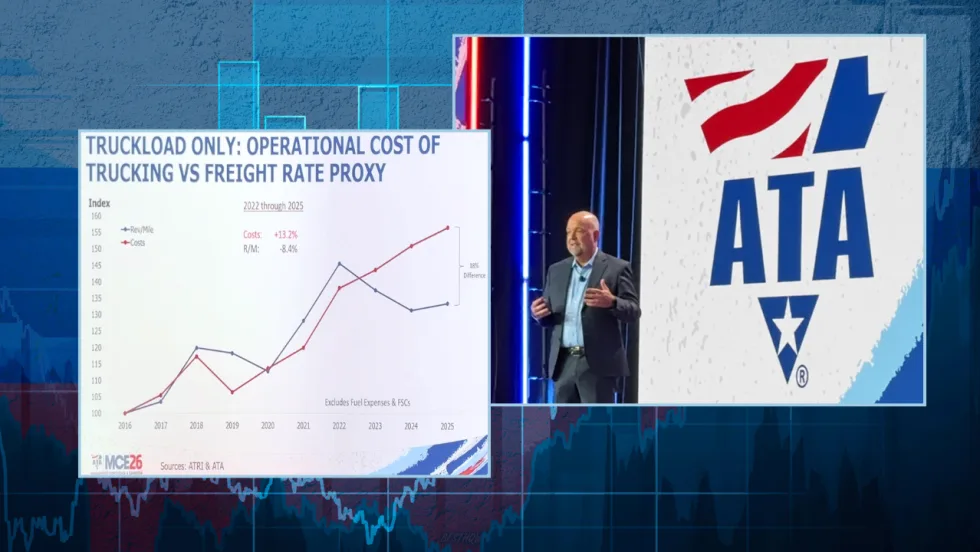
Why This Trucking Recovery Is Different
Freight demand remains sluggish, but rising costs and tougher enforcement have taken enough capacity out of the market to change the outlook for motor carriers.
Read More →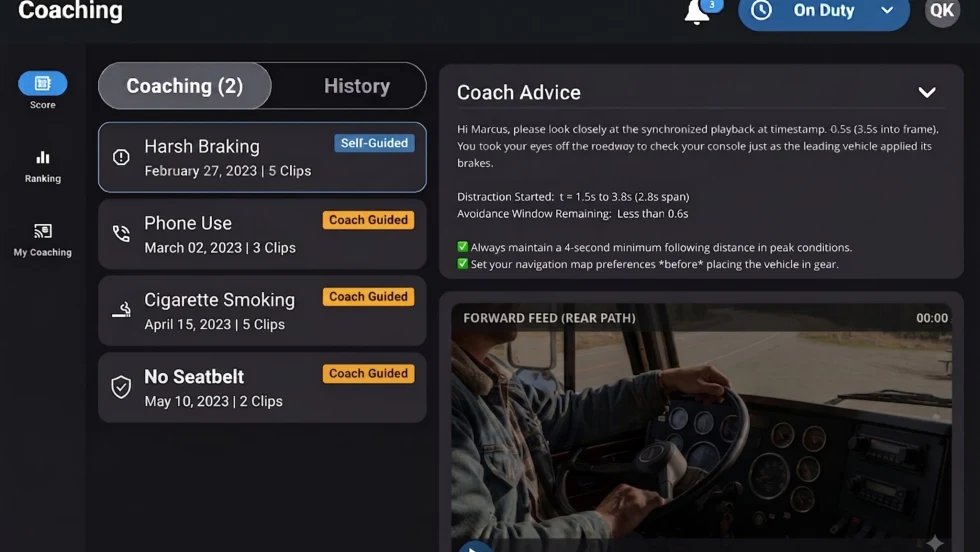
Platform Science Adds Dispatch and Safety Tools
Four additions to PS Fleet help fleets monitor loads, manage driver coaching, share truck locations and adjust video system settings.
Read More →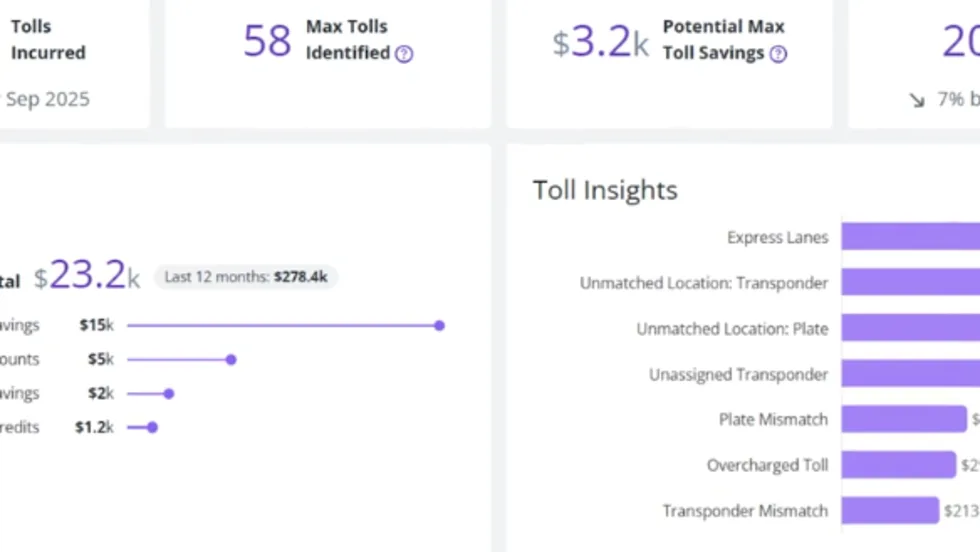
PrePass Intelligence Mines Fleet Bypass, Toll and Safety Data
PrePass Intelligence helps fleets measure bypass savings, flag potential toll overcharges, and spot suspicious transactions by combining data from separate systems.
Read More →
Motive Adds AI Agents for Fleet Operations
New tools automate follow-up on fleet data, from maintenance work orders to driver alerts, with two-way voice conversations planned for later this year.
Read More →
Can You Beat Our Trucking Trivia Challenge?
Test your truck knowledge with 19 trivia questions from Heavy Duty Trucking Exchange. Can you keep up with the fleet pros?
Read More →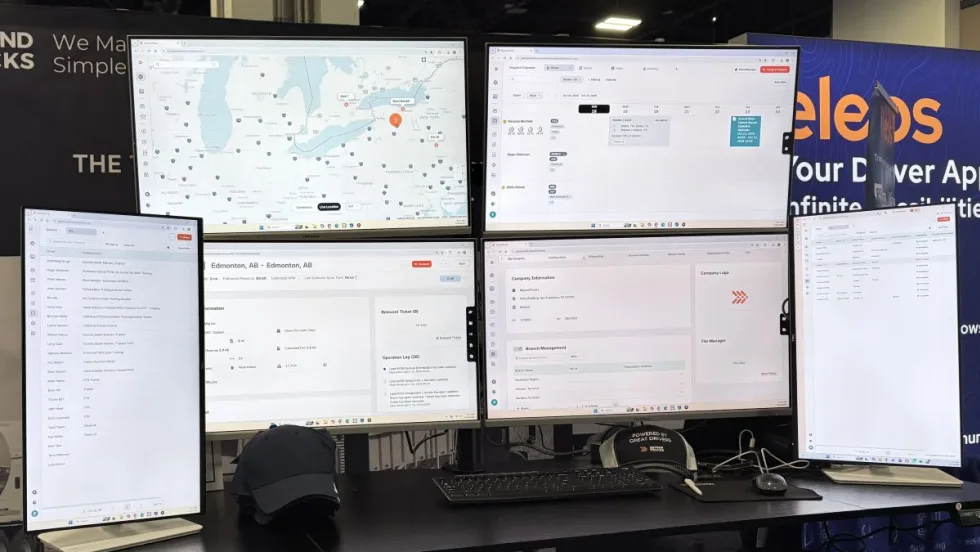
BeyondTrucks Adds Rules Checks to Dispatch
New Compatibility Engine checks driver qualifications, equipment requirements and fleet policies before loads are dispatched.
Read More →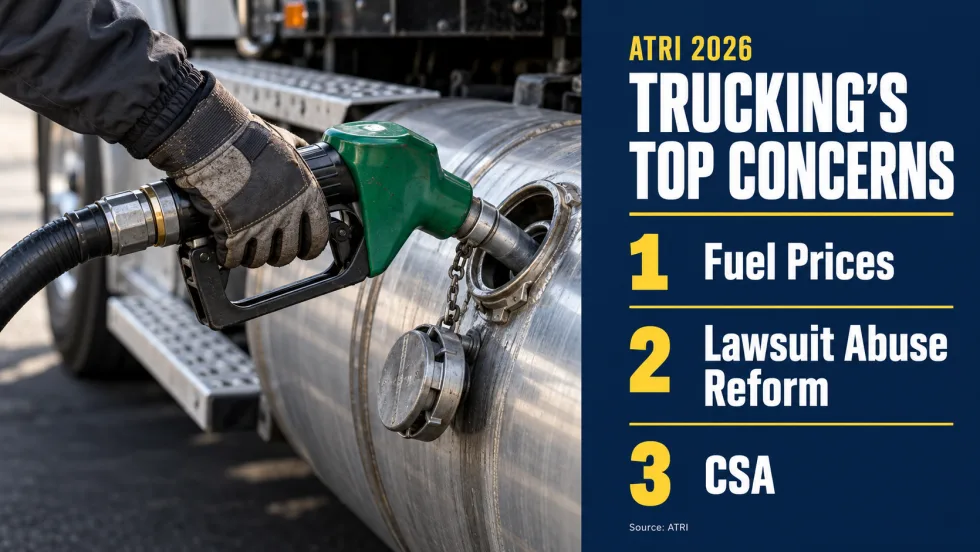
Diesel Prices Hijack Trucking’s Worry List
ATRI’s annual survey finds cautious optimism about freight, but diesel costs, litigation, and insurance continue to squeeze fleets. Drivers have different priorities on several issues.
Read More →
Nomination Deadline Extended for HDT Emerging Leaders
Just a few more days to nominate accomplished trucking fleet professionals under 40 who are making an impact and helping lead the industry forward for the HDT Emerging Leaders award. Deadline extended to October 20!
Read More →
What Will ATA’s New Leader Bring to Trucking's Table?
Incoming President and CEO Mark Colson’s record in Alabama offers clues about his priorities and approach following Chris Spear’s abrupt departure as the head of the American Trucking Associations.
Read More →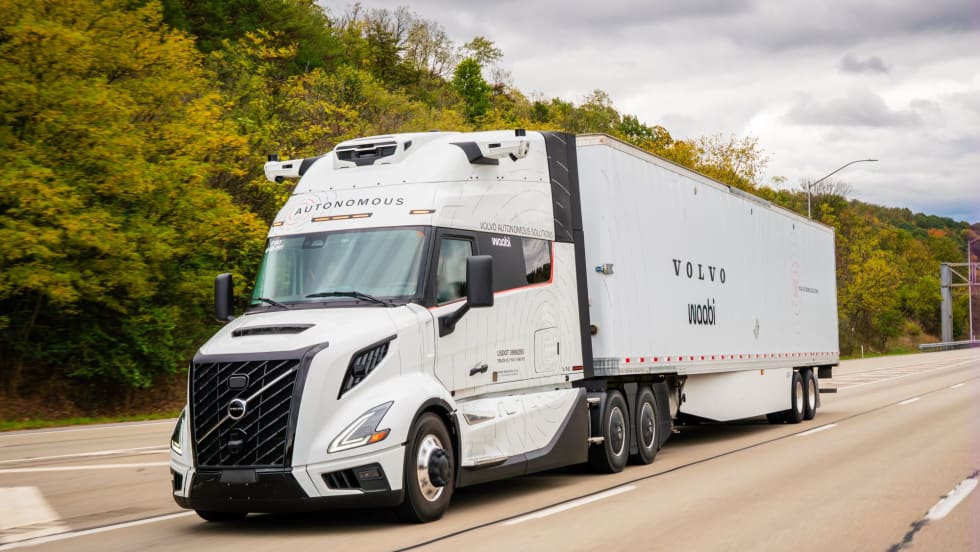
Volvo, Waabi Start Commercial Autonomous Operations in Texas
Volvo VNL Autonomous trucks, powered by the Waabi Driver, are hauling freight directly to third-party facilities for a customer in Texas.
Read More →