




Three Major Oil Companies Settle in "Hot Fuel" Lawsuit
BP Products North America Inc., ConocoPhillips Co. and Shell Oil Products US have agreed to settle lawsuits accusing the oil companies of profiting from "hot fuel," gasoline or diesel fuel for which price has not been adjusted for temperature
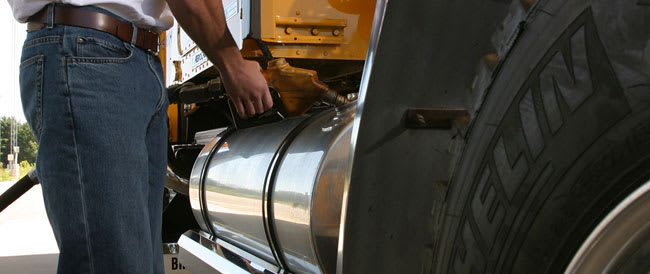
BP Products North America Inc., ConocoPhillips Co. and Shell Oil Products US have agreed to settle lawsuits accusing the oil companies of profiting from "hot fuel," gasoline or diesel fuel for which price has not been adjusted for temperature.
The term "hot fuel" refers to the expansion of gas or diesel fuel in the warmer months. Critics charge that when the fuel expands, it delivers less energy per gallon to the consumer, but the consumer is still charged the same price per gallon.
Oil companies argued that consumers benefitted in cold weather because fuel contracts and then contains more energy per gallon than usual. The companies also claimed that it would be too expensive to equip every retail pump with a temperature compensating device.
Sixty degrees is the century-old government standard for gas or diesel sold at the pumps. That is the temperature/volume used in the petrochemical industry to measure all petroleum liquids at the refinery and every point after the refinery, except at the retail pump, according to the Owner-Operator Independent Drivers Association, which has a website, turndownhotfuel.com, addressing the issue. OOIDA has been heavily involved in this issue for several years.
The warmer the fuel, the less measurable energy and fewer miles to the gallons a vehicle will get, says OOIDA. For example, if a vehicle averages 6 mpg, 200 gallons of 98-degree fuel is going to take that vehicle 36 fewer miles than 60-degree fuel.
In 2006, the Kansas City Star wrote a series of stories about the issue, estimating that hot fuel cost consumers $2.3 billion dollars a year. With today's fuel prices, that would be as much as $3.5 billion. After the Star's reports, class-action lawsuits sprouted up against dozens of companies, including oil giants and fuel-station chains.
These three big oil companies, however, are choosing to settle.
Although a preliminary settlement has been reached, details are not yet available, as the judge must approve details before they take effect.
The lawsuits are pursuing a solution that would retrofit pumps to adjust volume of fuel pumped based on temperature. The Kansas City Star reportsthat it's likely the companies won't be required to make these improvements, as "they have sold off most of their retail stations, although those stations still sell their brands." A more likely scenario is that the settlement will instruct the companies to facilitate the adoption of a hot-fuel fix.
Costco Wholesale Corp. agreed to settle in 2009, agreeing to change pumps in the hottest regions of the country.
More Drivers

From One Generation to the Next: How Mentorship Builds Safer Truck Drivers
After three decades in trucking, Harold Perry shares what he's learned about driver safety, mentorship, and helping the next generation build confidence behind the wheel.
Read More →
Truck Drivers Need More Than Another Alert
Fleets have more visibility into truck health, safety events, and driver activity than ever. The next challenge is turning all that information into useful guidance for the person who has to decide what to do next.
Read More →
FMCSA Removes 110 Truck Driver Training Schools from Certified ELDT List
Federal regulators also are targeting more than 160 additional training providers and launching a nationwide audit of third-party CDL skills testers as part of a broader crackdown on trucking fraud.
Read More →
Hours of Service Pilot Programs: FMCSA Readies for 2027 Rollout
Two pilot programs could eventually reshape hours-of-service rules, giving truck drivers options to pause their 14-hour clock or use longer split sleeper rest periods.
Read More →
Medical Cards, English Proficiency Reshape Roadcheck Violations
Medical-card violations jumped to the top of the driver out-of-service list during CVSA’s 2026 International Roadcheck, while English-language proficiency violations appeared among the leading violations for the first time.
Read More →
Driver Trust Can Make or Break the Success of Fleet Safety Technology
New Teletrac Navman research suggests that onboarding, transparency about driver data, and positive feedback can play a significant role in how commercial drivers respond to safety and coaching technology.
Read More →
EEOC Sues KLLM Over Alleged Sex Discrimination in Driver Training
KLLM is facing a federal sex-discrimination lawsuit over policies the EEOC alleges put female truck driver trainees at a disadvantage.
Read More →
FMCSA Moves to Codify English Language Requirements for Commercial Drivers
By changing regulations on English-language proficiency requirements for commercial drivers, rather than relying on a guidance memo, the FMCSA said future administrations won't be able to walk back the Trump administration's stricter enforcement with just a memo.
Read More →
Drivers Put Western Star Trucks to the Test at Star Nation Experience
Watch to get an inside look at the Western Star trucks, technology, and community behind the Star Nation Experience 2026!
Read More →
Trump Administration Looks to Put More Veterans Behind the Wheel
The Freedom Haulers program pulls together existing and expanded programs at several federal agencies to recruit veterans to drive commercial heavy-duty trucks and cut the red tape for them to get a CDL, training, and employment.
Read More →