




IWLA Opposes Bill to Ban Independent Truckers from Ports
The International Warehouse Logistics Association joined other logistics industry associations in writing a letter to Senate Majority Leader Harry Reid (D-NV) urging him to oppose a bill that would close the U.S. ports to independent truck owner-operators
The International Warehouse Logistics Association joined other logistics industry associations in writing a letter to Senate Majority Leader Harry Reid (D-NV) urging him to oppose a bill that would close the U.S. ports to independent truck owner-operators.
Sens. Charles Schumer (D-NY) and Kristen Gillibrand (D-NY) introduced The Clean Ports Act of 2011 (S. 2011). It would reverse a decision by the Ninth Circuit Court of Appeals and grant to local governments the ability to regulate interstate and foreign commerce by trucks within the port jurisdiction. The Ninth Circuit ruled only the federal government has the power to regulate truck interstate and foreign commerce.
The Clean Ports Act would give ports the authority to regulate truck prices, routes and service in order to improve pollution, congestion and safety. It is designed to create a legal foundation for the type of concession plan the Port of Los Angeles attempted to set up as part of its clean-port program, which would have required drayage drivers to be employees and not independent contractors. That aspect of the LA concession plan was thrown out last October by the U.S. Court of Appeals for the Ninth Circuit.
This is the companion legislation to a measure introduced in the House last February by Rep. Jerrold Nadler, D-N.Y. That bill was referred to the Transportation and Infrastructure Committee, which under Republican leadership is not likely to act on it.
The associations told Reid, "Clean truck plans that have been enacted under current law have reaped tremendous reductions in emissions. If enacted into law, this bill would void the enormous investments made by many small businesses and put them out of work."
Joel Anderson, IWLA president and CEO, said the bill was one more example of unions pressuring elected officials for the purpose of mandating union-organized businesses. "The goal of this legislation is to handcuff private business owners into adopting a business model that only union business agents would find acceptable."
More Fleet Management
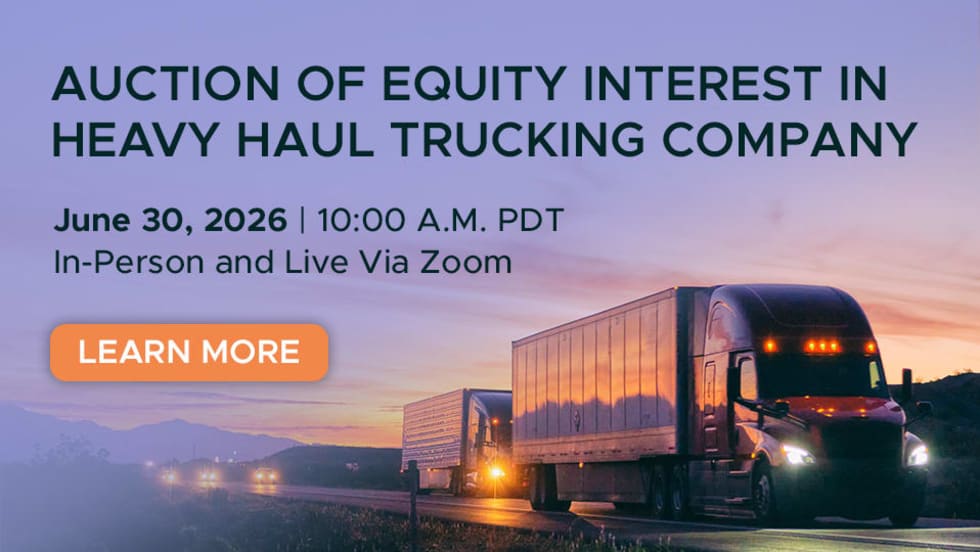
AUCTION OF EQUITY INTEREST IN HEAVY HAUL TRUCKING COMPANY!!
Mark your calendar: June 30, 2026 (10:00 a.m. PDT). MagnaTrans, LLC, a California limited liability company doing business as Magna Transportation Group is going to auction! Bid on a 37.5% ownership interest in this Rancho Cucamonga-based heavy haul and over-dimensional trucking company operating across California, Oregon, and Arizona. The equity interest will be sold to the highest bidder or bidders under Article 9 of the Uniform Commercial Code at 10:00 a.m. PDT.
Read More →
Volvo Trucks Adds Unattended Over-the-Air Software Update Capabilities
The latest evolution of Volvo’s over-the-air update technology allows software updates to run while trucks are parked, helping fleets keep vehicles current without disrupting operations.
Read More →
How Waste Connections is Using Data, Telematics, and AI
How do you manage and maintain more than 18,000 connected trucks? Data. Lots of it.
Read More →
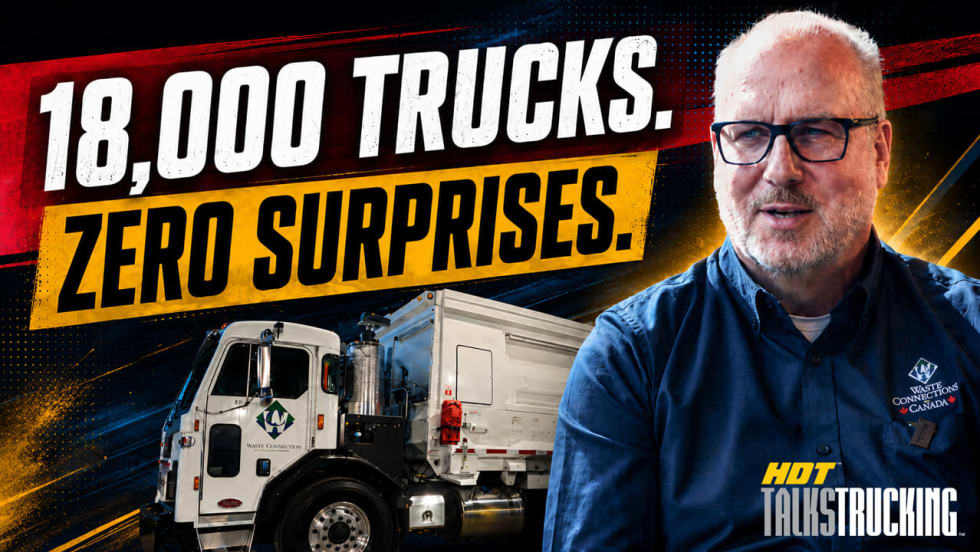
Why Fleet Data Matters More Than Ever at Waste Connections [Watch]
Waste Connections' Chuck Palmer explains how telematics, predictive maintenance, safety analytics, and AI help keep vehicles on the road and drivers safe in this episode of HDT Talks Trucking.
Read More →
NMFTA Launches Free, Anonymous Cybersecurity Threat Report Portal
Organizations are encouraged to anonymously report freight fraud, cargo crime, and cyber threats while gaining visibility into incidents reported across the transportation sector.
Read More →
AI Can Optimize a Fleet. Can It Replace Human Judgment?
Fleets fear falling behind if they don’t adopt AI quickly enough. They also fear what happens if the technology makes the wrong decision.
Read More →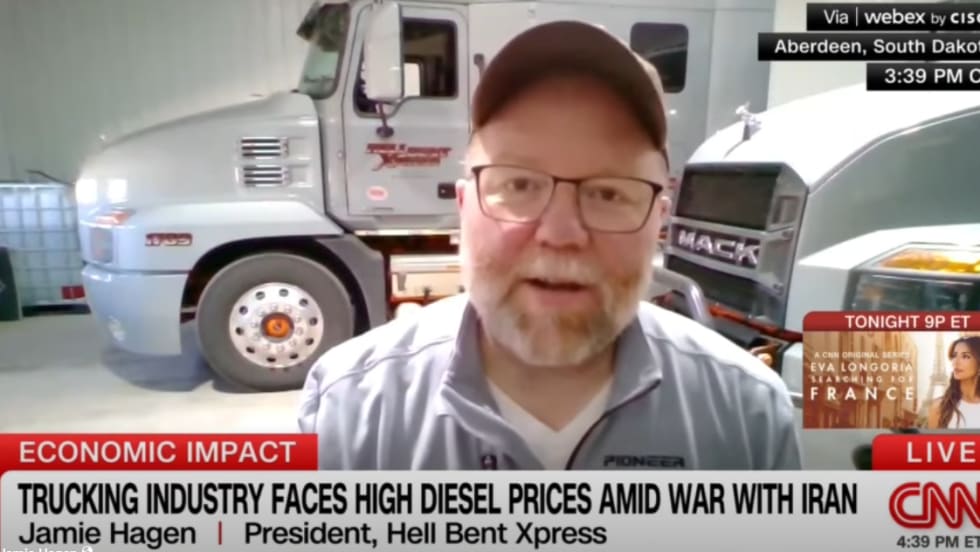
Jamie Hagen Gets Real About Running a Small Fleet in an Uncertain Economy
Small fleet owner Jamie Hagen says new legal risks, volatile fuel prices, and a changing freight market are forcing small carriers to rethink how they operate — and what they can afford.
Read More →
Jamie Hagen Gets Real About Freight, Fuel Prices, Safety, and Small-Fleet Survival
Running a small trucking fleet right now isn’t easy, especially right now. And Jamie Hagen doesn’t sugarcoat it.
Read More →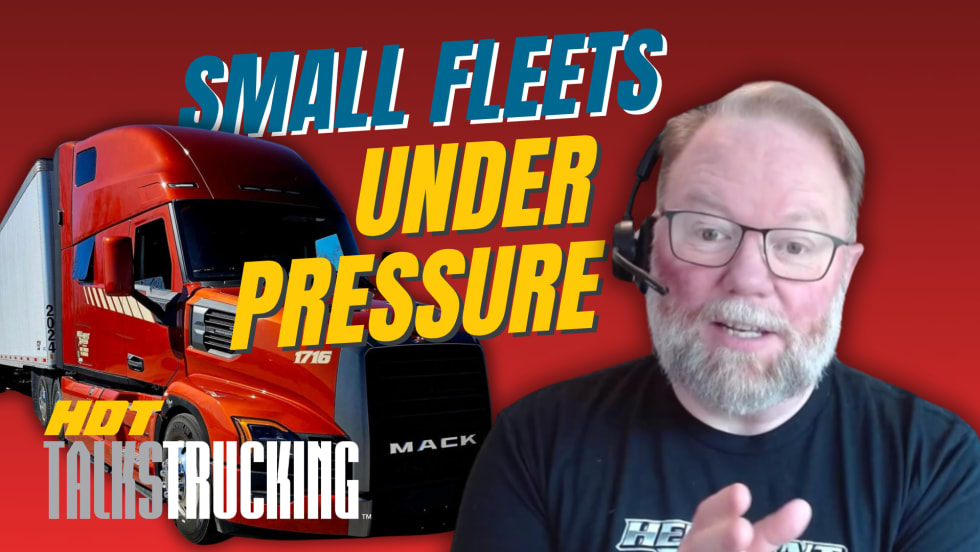
Jamie Hagen Gets Real About Freight, Fuel Prices, Safety, and Small-Fleet Survival
Running a small trucking fleet right now isn’t easy, especially right now. And Jamie Hagen doesn’t sugarcoat it.
Read More →
Data Lock‑In or Integration Lock‑Out?
Data fragmentation is costing dealerships, OEMs, fleets, and upfitters millions. Here’s why interoperability may be the fix the trucking industry needs.
Read More →