




From the archives – Q&A: Fleet Advantage's John Flynn on Truck Leasing Past, Present and Future (2015)
Tax Changes and the Truck Leasing Decision
Fleets need to be aware of 2018 tax changes, because the way they procure their equipment can have a significant impact to their overall business, bottom line and financial performance. One leasing company explains how some of these changes affect the lease-vs.-own decision.
by Brian Holland, Fleet Advantage
March 28, 2018
Fleets need to be aware of 2018 tax changes, because the way they procure their equipment can have a significant impact to their overall business, bottom line and financial performance. Photo: ccPixs.com
4 min to read

Fleets need to be aware of 2018 tax changes, because the way they procure their equipment can have a significant impact to their overall business, bottom line and financial performance. Photo: ccPixs.com
Both private fleets and for-hire carriers are ordering new trucks at an increased pace. Class 8 truck orders soared in January to their highest level since 2006, according to transportation analysts at ACT Research and FTR, and February orders marked the second consecutive month with Class 8 orders exceeding the 40,000-unit mark – something that hasn’t happened since November-December of 2014. An economy that continues to strengthen is adding to this trend, as well as the need to replace aging equipment.
It’s critical for fleets to replace aging equipment for multiple reasons, such as the need to recruit and retain drivers and to maximize uptime during a time of tight capacity.
That being said, fleets need to be aware of 2018 tax changes, because the way they procure their equipment can have a significant impact to their overall business, bottom line and financial performance. Leasing should be considered as fleets consider their procurement options.
What Are the Tax Changes?
The new tax plan contains several provisions that will affect equipment procurement: lower tax rates for businesses, non-deductibility of interest expense for C corporations, limiting like-kind exchanges to real property, and expensing of depreciable assets instead of writing them off over years. The key is to know how these changes may impact a company’s balance sheet, financial plan, and tax strategy, and to adjust accordingly to help improve the company’s financial performance.
The corporate tax rate has been cut to 21% with immediate write-off for equipment. As an example, bonus depreciation is doubled to 100% and companies can write-off the full amount of qualifying purchases in the same year of acquisition, which is intended to spur investment. In addition, used equipment will qualify for bonus depreciation for the first time. Should the finance department recommend leasing these assets, companies can continue to deduct the cost of leased assets, and the tax benefits inherent in tax-advantaged leases get passed along to the lessee through lower pricing. Lessees will also enjoy lower tax rates that will help them expand their business.
Why You Might Want to Lease
In many cases, under the new tax rules, a lease is still favorable over a loan for acquiring equipment. Under the new U.S. accounting rules, customers with Operating Leases will find that the capitalized asset cost is lower compared to a loan or cash purchase. Why? Because the balance sheet presentation of an Operating Lease reflects only the present value of the rents due under the contract as the asset amount, and as a result, it is still “partially” off-balance sheet. In addition, since the cost of an Operating Lease is reported as a straight-line expense of the full lease payment each period, there is no front-end-loaded P&L impact that comes from expensing depreciation and imputed interest costs as there is when a customer borrows to make an outright asset purchase. The P&L impact is different under the international accounting standards (the expenses are front-end loaded), but the result under both standards is that leasing – compared to borrowing to buy – will show a better Return on Assets (ROA), Return on Invested Capital (ROIC), or Return on Capital Employed (ROCE) for the lessee, which are measures used by many companies and equity analysts.
Moreover, consider the discounted cost and built-in flexibility of financing, which offer additional savings, extended payment options and equipment upgrades or add-ons. Improved cash-flow management, keeping pace with technology, and aligning capital asset acquisition strategy with business needs in real time all create economic and practical advantages of leasing compared to a loan.
Private fleet organizations and for-hire carriers must still pay close attention to the way they procure new trucks, especially under the changing tax environment. Many organizations have begun to lease more of their trucks, where a shorter asset management lifecycle helps reduce costs significantly. Fuel costs, maintenance and repair, and disposal costs are reduced in a leasing environment, while the residual risk is minimized.

Author Brian Holland is president and CFO at Fleet Advantage. Photo courtesy Fleet Advantage.
Companies are taking an even closer look now at how certain equipment lease structures impact their overall financial performance. Knowing the intricacies of different types of leases (operating vs. capital, for example) can help achieve better key performance financial metrics significantly.
Whether through economic expansion forthcoming by the proposed tax cuts or a desire to replace aging trucks, more businesses today are focused on truck procurement strategies. Decisions such as lease versus purchase, the type of lease, as well as changing tax implications can all have consequential effects to an organization’s bottom line.
Editor’s Note: Brian Holland is president and chief financial officer at Fleet Advantage, which specializes in truck leasing, truck fleet business analytics, equipment financing, and lifecycle cost management. This article was authored under the guidance and editorial standards of HDT’s editors to provide useful information to our readers.
Subscribe to Our Newsletter
More Fleet Management
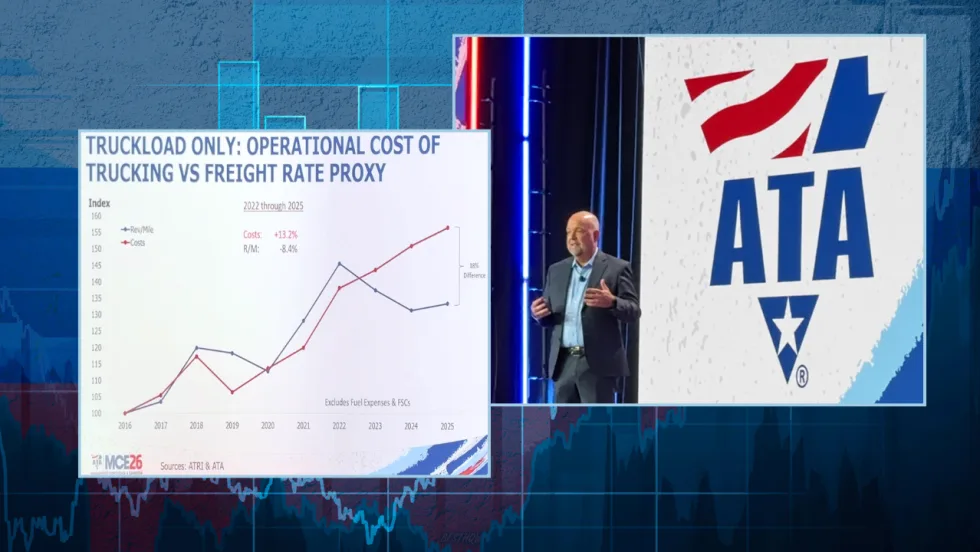
Why This Trucking Recovery Is Different
Freight demand remains sluggish, but rising costs and tougher enforcement have taken enough capacity out of the market to change the outlook for motor carriers.
Read More →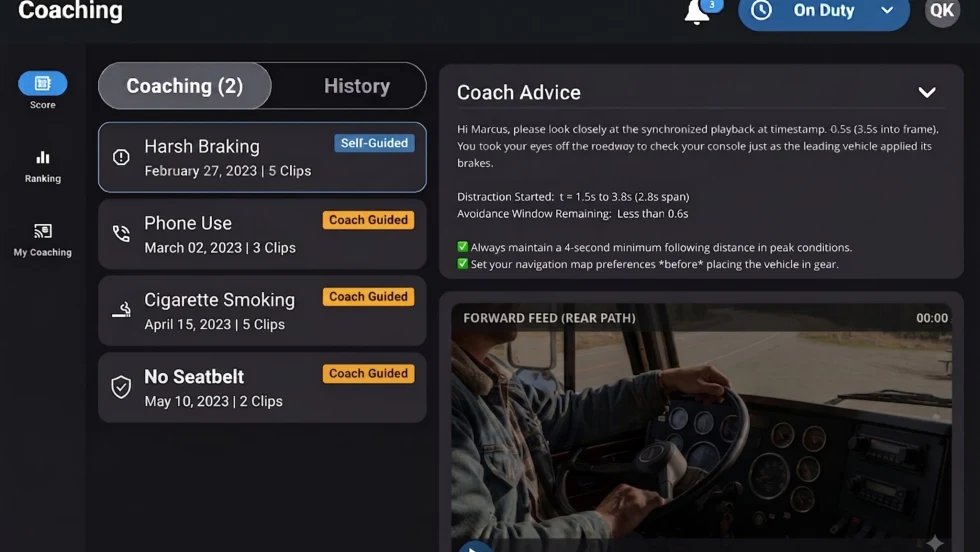
Platform Science Adds Dispatch and Safety Tools
Four additions to PS Fleet help fleets monitor loads, manage driver coaching, share truck locations and adjust video system settings.
Read More →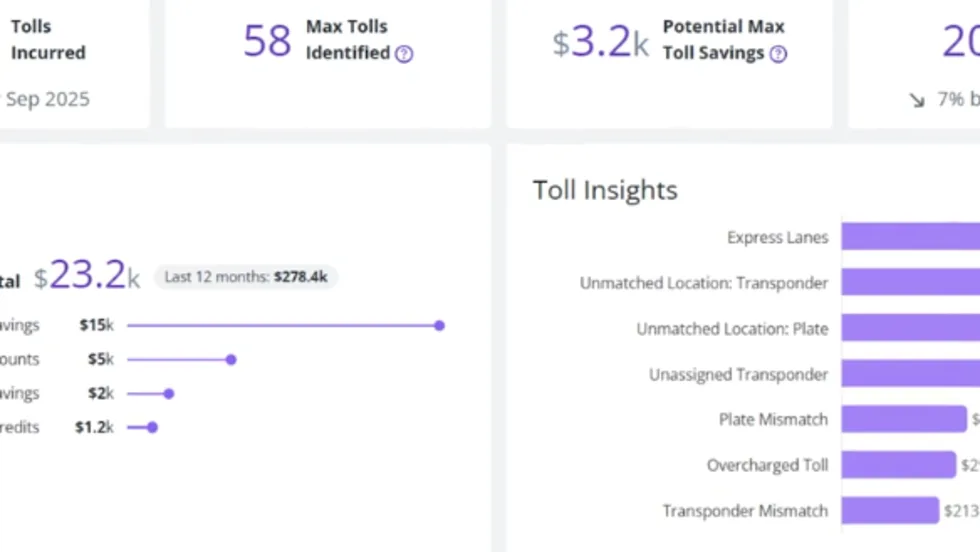
PrePass Intelligence Mines Fleet Bypass, Toll and Safety Data
PrePass Intelligence helps fleets measure bypass savings, flag potential toll overcharges, and spot suspicious transactions by combining data from separate systems.
Read More →
Motive Adds AI Agents for Fleet Operations
New tools automate follow-up on fleet data, from maintenance work orders to driver alerts, with two-way voice conversations planned for later this year.
Read More →
Can You Beat Our Trucking Trivia Challenge?
Test your truck knowledge with 19 trivia questions from Heavy Duty Trucking Exchange. Can you keep up with the fleet pros?
Read More →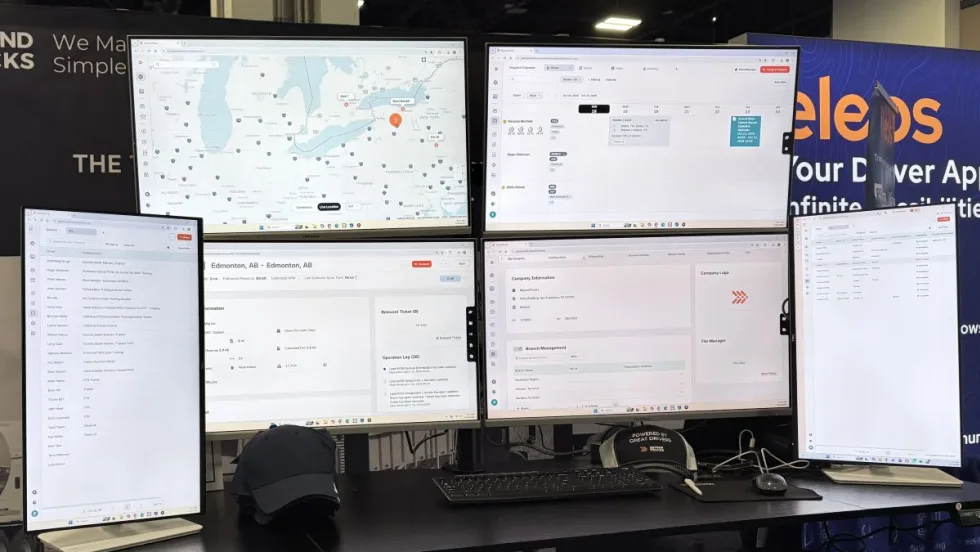
BeyondTrucks Adds Rules Checks to Dispatch
New Compatibility Engine checks driver qualifications, equipment requirements and fleet policies before loads are dispatched.
Read More →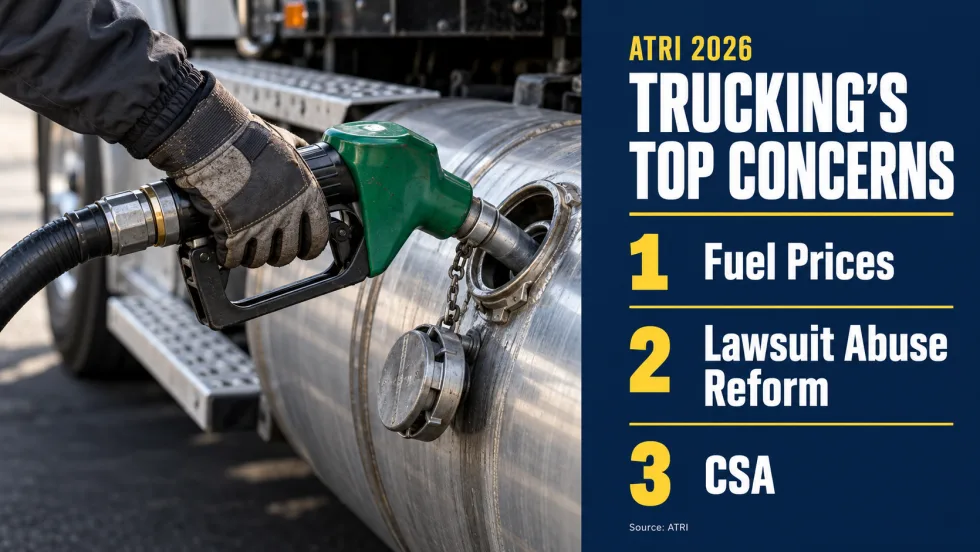
Diesel Prices Hijack Trucking’s Worry List
ATRI’s annual survey finds cautious optimism about freight, but diesel costs, litigation, and insurance continue to squeeze fleets. Drivers have different priorities on several issues.
Read More →
Nomination Deadline Extended for HDT Emerging Leaders
Just a few more days to nominate accomplished trucking fleet professionals under 40 who are making an impact and helping lead the industry forward for the HDT Emerging Leaders award. Deadline extended to October 20!
Read More →
What Will ATA’s New Leader Bring to Trucking's Table?
Incoming President and CEO Mark Colson’s record in Alabama offers clues about his priorities and approach following Chris Spear’s abrupt departure as the head of the American Trucking Associations.
Read More →
Volvo, Waabi Start Commercial Autonomous Operations in Texas
Volvo VNL Autonomous trucks, powered by the Waabi Driver, are hauling freight directly to third-party facilities for a customer in Texas.
Read More →