




Commentary: The 3D Force of Disruption
3D printing is about as big a disruptor as you’ll find in the freight-hauling world, t has the potential to wipe a lot of freight right off the map, says Executive Contributing Editor Rolf Lockwood.

Rolf Lockwood

Rolf Lockwood
Disrupt, disruption, disruptive. I like these words, even though they’ve already become over-used in the business and technology worlds to describe developments that have the potential to force a change in direction. To obliterate expectations. Or simply to make us think very hard.
The first time I heard the word “disruptive” expressed in this way, the governor of Nevada used it during his remarks on the launch of the semi-autonomous Freightliner Inspiration Truck in Las Vegas. He was right to use it in that instance, because the technology involved did challenge assumptions and point us toward next steps.
So what’s the next disruptor? Well, your guess is as good as mine, and the thing is we probably can’t guess – the nature of a truly game-changing idea is that it sneaks up on normal folks like you and me. Or at least the implications do.
For me, that’s the case with 3D printing, and I believe it’s about as big a disruptor as you’ll find in the freight-hauling world. It has the potential to wipe a lot of freight right off the map. Really.
It will revolutionize shopping too, and eventually it will render present distribution systems obsolete. At some point in the future just about everything, except some foods and conventional fuels, I suppose, could be made locally. Freight re-defined.
Need an obscure part for your not-quite-current truck? No need to order it from a warehouse days away, because your local dealer can make it for you on the spot. Some companies have even developed ways to 3D print a house.
How about a 3D-printed jawbone made to fit you exactly – jagged edges and all – in the event of some traumatic accident and the need for facial reconstruction? The medical possibilities are endless.
Lest you think this is some futuristic vision, UPS has already equipped some of its consumer stores with 3D printers, and they’re already in use. I recently read about a specialized spoon designed to help a newly blind toddler aim food toward her mouth, made in a UPS store. The world’s first industrial 3D printing factory –with unprecedented scale and speed – is ready now, co-located within UPS global distribution headquarters in Louisville, Kentucky.
Engineers at Mercedes-Benz Trucks in Germany have successfully used a 3D printer to create an aluminum thermostat cover, proving a process that could reshape the way spare metal parts are produced and distributed. Previously, 3D printing mostly worked with plastics.
With production decentralized, 3D printing will improve parts availability, shorten delivery times, and reduce warehousing and distribution costs. And these parts will have the same functionality, reliability, durability and cost-effectiveness as conventionally produced components.
This is disruptive technology in the extreme, and it will change the definition of freight forever. Not to mention radically diminishing the amount of stuff to be hauled. Yes, raw materials will have to be transported somehow to printer sites, but that will represent a fraction of the freight volumes we see now.
The implications are boundless, but unfortunately they probably include a loss of driving and other jobs in the freight sector. We’ll see.
I don’t believe this is an “if” scenario. I think it’s just a matter of when.
More Fleet Management
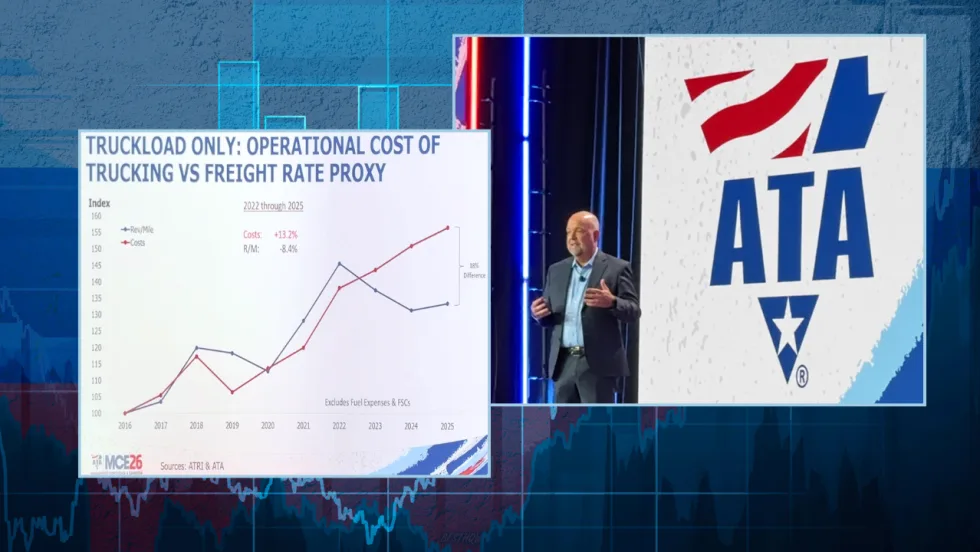
Why This Trucking Recovery Is Different
Freight demand remains sluggish, but rising costs and tougher enforcement have taken enough capacity out of the market to change the outlook for motor carriers.
Read More →
Platform Science Adds Dispatch and Safety Tools
Four additions to PS Fleet help fleets monitor loads, manage driver coaching, share truck locations and adjust video system settings.
Read More →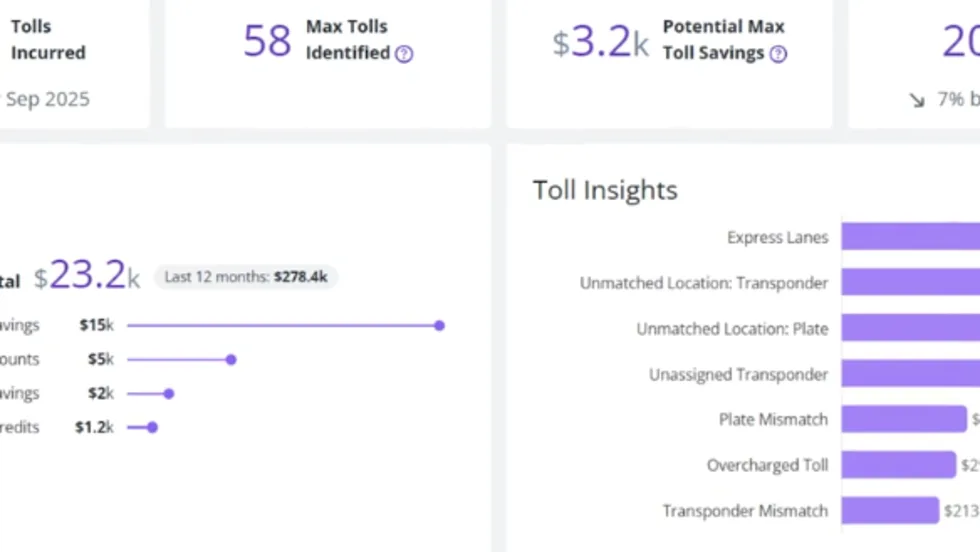
PrePass Intelligence Mines Fleet Bypass, Toll and Safety Data
PrePass Intelligence helps fleets measure bypass savings, flag potential toll overcharges, and spot suspicious transactions by combining data from separate systems.
Read More →
Motive Adds AI Agents for Fleet Operations
New tools automate follow-up on fleet data, from maintenance work orders to driver alerts, with two-way voice conversations planned for later this year.
Read More →
Can You Beat Our Trucking Trivia Challenge?
Test your truck knowledge with 19 trivia questions from Heavy Duty Trucking Exchange. Can you keep up with the fleet pros?
Read More →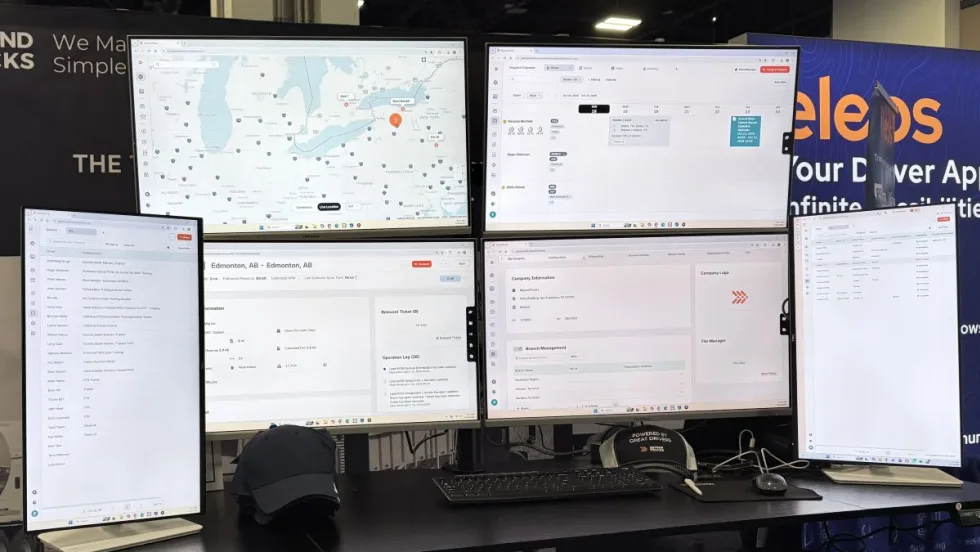
BeyondTrucks Adds Rules Checks to Dispatch
New Compatibility Engine checks driver qualifications, equipment requirements and fleet policies before loads are dispatched.
Read More →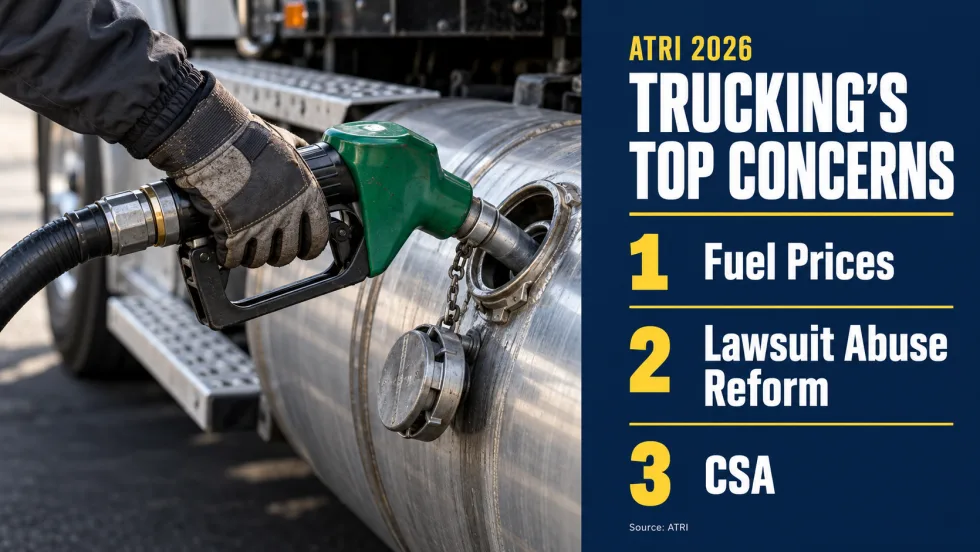
Diesel Prices Hijack Trucking’s Worry List
ATRI’s annual survey finds cautious optimism about freight, but diesel costs, litigation, and insurance continue to squeeze fleets. Drivers have different priorities on several issues.
Read More →
Nomination Deadline Extended for HDT Emerging Leaders
Just a few more days to nominate accomplished trucking fleet professionals under 40 who are making an impact and helping lead the industry forward for the HDT Emerging Leaders award. Deadline extended to October 20!
Read More →
What Will ATA’s New Leader Bring to Trucking's Table?
Incoming President and CEO Mark Colson’s record in Alabama offers clues about his priorities and approach following Chris Spear’s abrupt departure as the head of the American Trucking Associations.
Read More →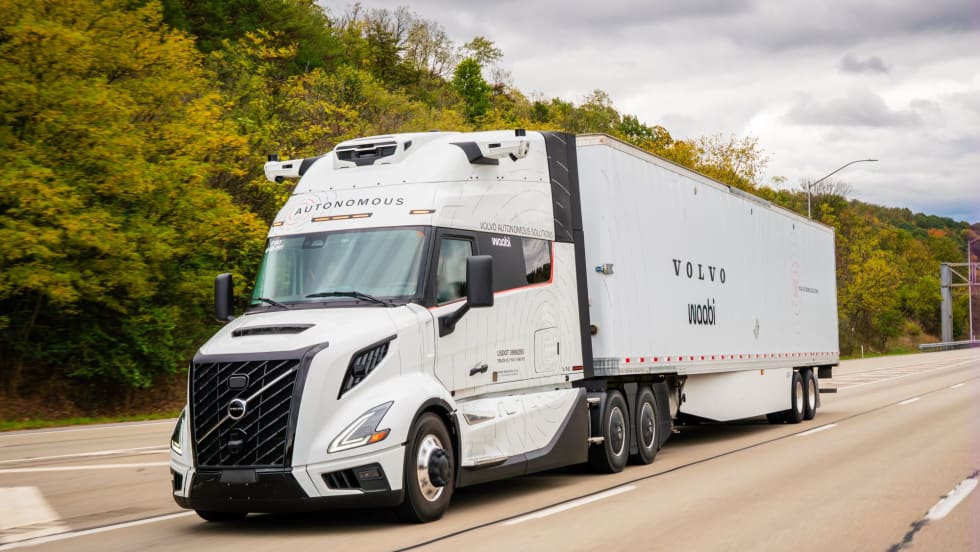
Volvo, Waabi Start Commercial Autonomous Operations in Texas
Volvo VNL Autonomous trucks, powered by the Waabi Driver, are hauling freight directly to third-party facilities for a customer in Texas.
Read More →