




Study: Cutting Methane Crucial to Future of Natural Gas Vehicles
Commercial fleets that converted from diesel to natural gas power could potentially accelerate the rate of climate change, finds one report. What is the industry doing to address the issue?
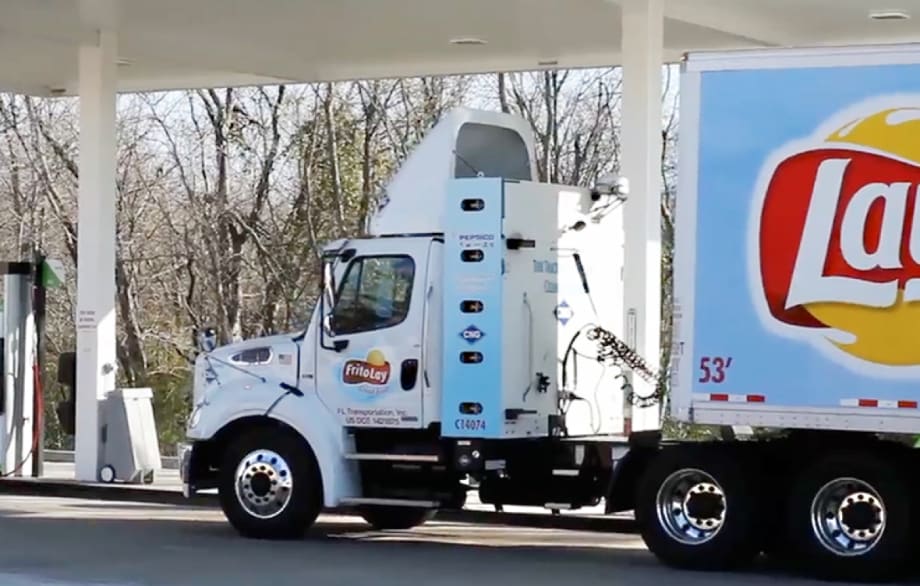
Fleets and natural-gas engine makers are already taking steps to address methane leakage. Photo: Frito-Lay
Fleets and natural-gas engine makers are already taking steps to address methane leakage.Photo: Frito-Lay
A recent study by West Virginia University’s Center for Alternative Fuels, Engines, and Emissions found significant challenges for natural gas vehicles to deliver on their promise of emissions reductions, primarily due to the amount of methane they emit.
The study, Future Methane Emissions from the Heavy-Duty Natural Gas Transportation Sector for Stasis, High, Medium, and Low Scenarios in 2035, focused on NGVs currently in production, which researchers believe could significantly populate fleets by 2035.
Drawing on data gathered from a January 2017 study, WVU researchers looked at ways to reduce emissions during the pump-to-wheel process by using operational best practices.
Methane, which is more potent than carbon dioxide (CO2), contributes to 25% of manmade climate change, according to the Environmental Defense Fund. In 2015, the Environmental Protection Agency found that 31% of methane emissions came from petroleum and natural gas systems.
While methane has a shorter lifetime in the atmosphere — 12 years compared to CO2’s 30 to 95 years — it traps more heat than CO2, according to EPA. However, lifetime in the atmosphere doesn’t mean the time after which all the methane is gone, only that 63% of the initial amount of gas has been removed. Additionally, methane’s global warming potential is 21, meaning it will trap 20 times more heat than CO2 over a 100-year period.
A 2015 study, published in Environmental Science & Technology, concluded that commercial fleets that converted from diesel to natural gas power could potentially accelerate the rate of climate change over the next 50 to 90 years before providing benefits to counteract it.
Similarly, the U.S. Energy Information Administration has reported that methane emissions grew by 27% from 1990 to 2009 due to natural gas consumption.
While methane leaks happen throughout the supply chain, the WVU study found that heavy-duty vehicles emit 79% of the total emissions compared to fueling stations. Additionally, 39% of the emissions leaked from heavy-duty vehicles occurred through the crankcase.
For fleets running older vehicles, WVU researchers said the best thing to do is to use operational best practices. The study suggested that NGV fleet operators immediately close spark-ignited crankcases and minimize manual venting of truck tanks before refueling. For fleets using newer model trucks, EPA approved spark-ignited engines with closed crankcases last year.
Fleets are already taking steps to address methane leakage, said Karen Hamberg, vice president of industry and government relations for fuel-system supplier Westport. Technological advances in vehicles, engines, and fueling stations have been explored and implemented to address methane leakage, such as closed crankcases and high-pressure direct injection natural gas engines.
“On the pump-to-wheel side, industry has advanced since even this in-use testing was done,” she said. “And so we see fleets operating those vehicles in the most environmentally sound way… it’s in their best economic interest as well to ensure those vehicles are operated to minimize any sort of fuel loss.”
Today, trade association NGVAmerica estimates that are around 165,000 NGVs on the road with 39,500 being heavy-duty vehicles and 25,800 being medium-duty vehicles.
Hamberg said that leading fleets are taking the initiative on making sure best practices are de facto standards within their operations.
“You get emissions reductions with natural gas vehicles, you get even further emission reductions when you run those vehicles on renewable methane,” she said. “It is in the best interest of those operators to ensure that vehicles are vented back to station, that we minimize any sort of unplanned venting activities, etc. And the best fleets are using all those operational best practices.”
However, the WVU study concluded that while NGVs are the biggest source of methane emissions in the heavy-duty trucking industry, to fully reap the climate benefits of NGVs, emissions must be reduced across the entire supply chain.
The EPA offers suggestions in its 2010 Managing Supply Chain Greenhouse Gas Emissions: Lessons for the Road Ahead, and even has a Supply Chain Leadership Award category as part of its Climate Leadership Awards program to recognize organizations that are leaders in reducing greenhouses gases throughout their supply chains.
Aside from monitoring their own vehicle emissions and following best practices, the EDF suggested fleet operators work with fueling station operators to ensure that they are following their own best practices, such as meeting minimum throughput standards and avoiding manual venting.
More Fuel Smarts

Where Electric Trucks Can Charge Now
New depots and truck-stop chargers gave electric trucks more places to plug in in 2026. Here’s where fleets can charge today, how megawatt charging works, and which freight routes to watch in 2027.
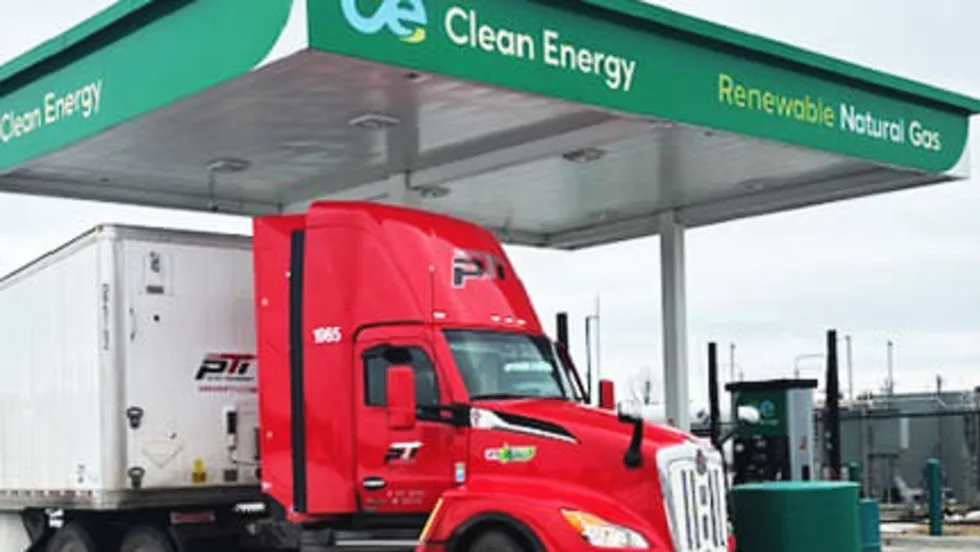
Paper Transport Puts RNG to Work for Shipper
Eight renewable natural gas trucks are hauling freight for Graphic Packaging, part of Paper Transport’s growing mix of alternative-fuel transportation options that also includes a Tesla Semi pilot.
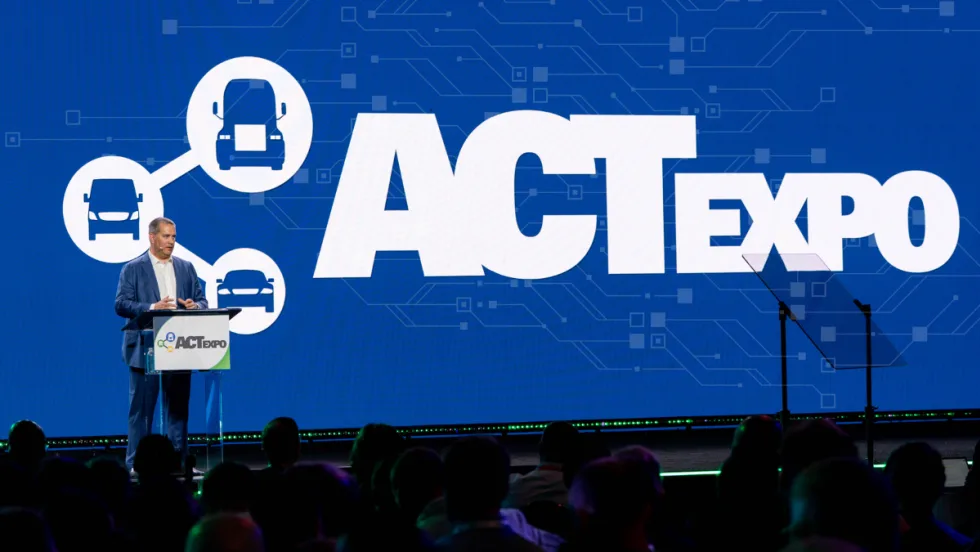
Fleet Costs Shape ACT Expo 2027 Agenda
With diesel prices high and operating expenses under pressure, ACT Expo's 2027 agenda emphasizes fuel efficiency, AI, safety and the return on fleet technology investments.
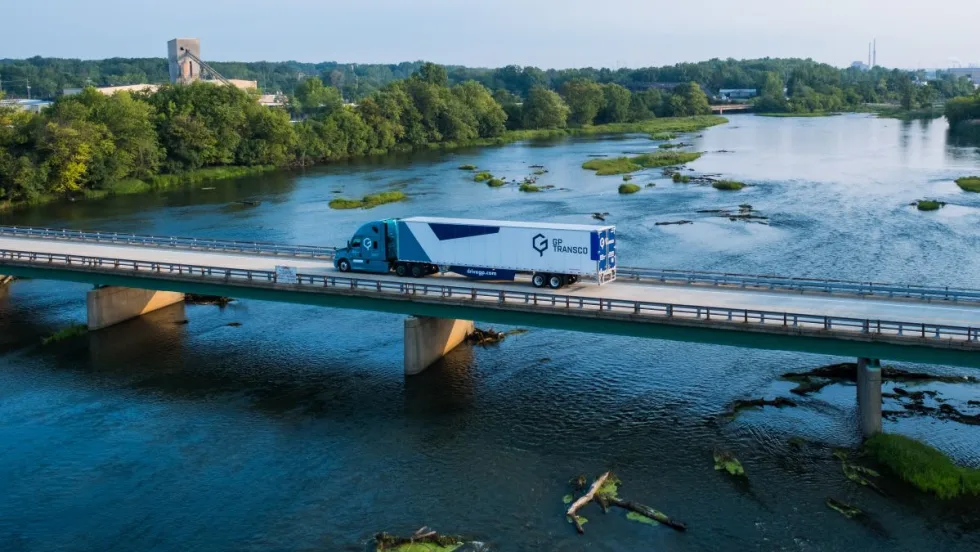
How GP Transco Builds Fuel Savings a Fraction at a Time
Aerodynamic specs, solar panels, and driver incentives help GP Transco turn small efficiency gains into savings it can reinvest in its people.
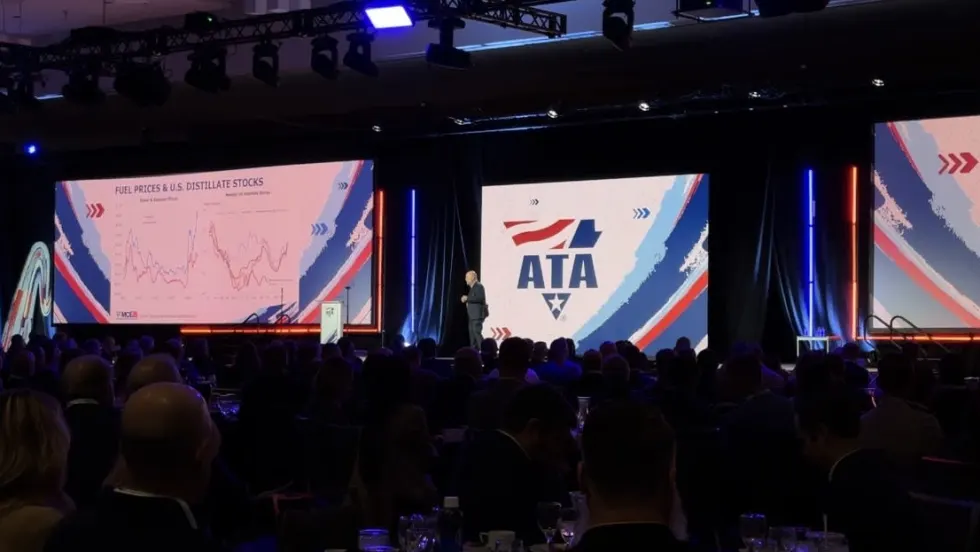
Trucking’s Diesel Squeeze Isn’t Letting Up
With diesel topping $6 a gallon nationally, ATA's Bob Costello explains why fleets should prepare for continued pressure at the pump.
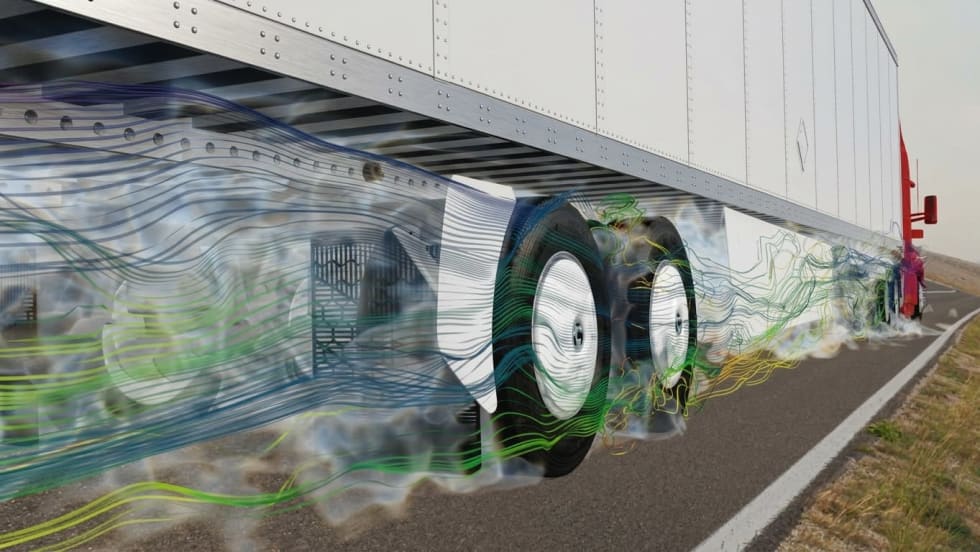
FlowBelow Redesigns Trailer AeroSlider to Cut Fuel Use
The lighter trailer aerodynamic system installs in less than 45 minutes, according to the company, with potential payback in under a year depending on fuel prices and trailer mileage.
Why Diesel Price Relief Efforts May Fall Short
Diesel prices have eased from September’s record high, but doubts about additional Russian supply and limits on dyed-diesel tax relief mean trucking fleets still face expensive fuel. And prices could go higher.

Why Small Fuel Savings Matter in Trucking [Podcast]
Can better fuel economy help pay for driver raises? In this episode of the HDT Talks Trucking podcast, GP Transco explains how small efficiency gains create room to reinvest in its people.
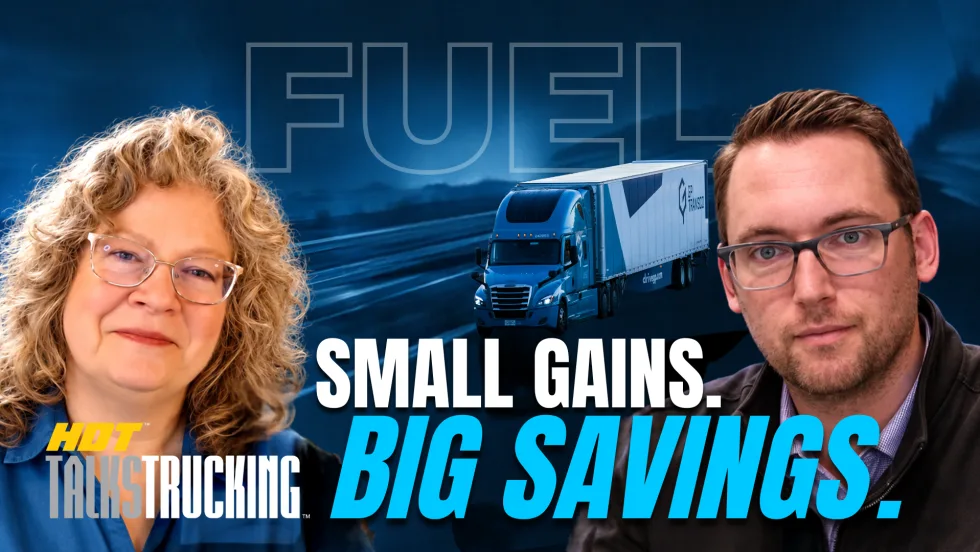
How GP Transco Cuts Trucking Fuel Costs, a Tenth of a Gallon at a Time
What’s another tenth of a mile per gallon worth? GP Transco shares how equipment upgrades and driver coaching turn small gains into meaningful fuel savings.
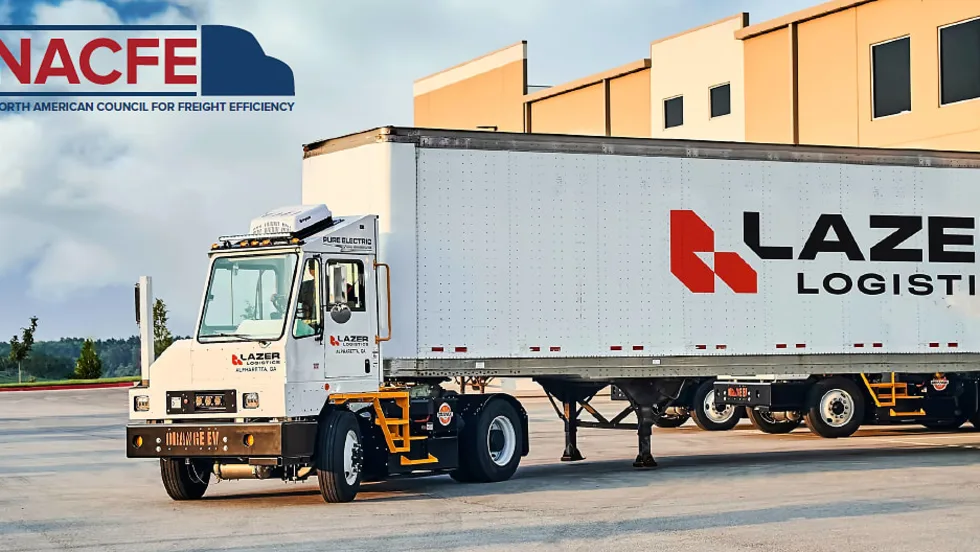
Electric Yard Tractors Move Beyond Pilots
Operating-cost savings have overtaken sustainability goals as the leading reason surveyed fleets are adopting battery-electric terminal tractors, according to new NACFE research.