




Related: How the Amazon-Whole Foods Deal Could Change Trucking
Commentary: Why the Amazon-Whole Foods Deal May Not Mean Much
Some are predicting the Amazon-Whole Foods acquisition will be a game-changer but it may not be as big of a deal for trucking as we think, says Business Contributing Editor Evan Lockridge in his August Hotline column.

Evan Lockridge・Former Business Contributing Editor
3 min to read
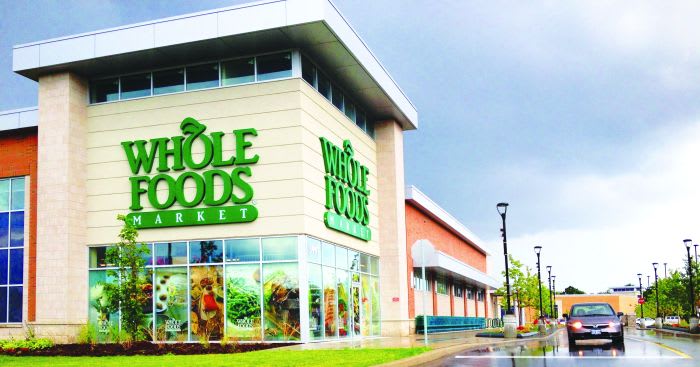
Pardon me if I am not excited about Amazon.com’s June announcement that it plans to purchase Whole Foods Market. While some people, both inside and outside of trucking, are predicting it will be a game-changer after it closes sometime in the second half of this year, it may not be as big of a deal for trucking as they think.
For starters, Whole Foods captured just 1.7% of the $750 billion grocery market last year. In contrast, Walmart has the largest slice at 17.3%. When you consider that Walmart and seven other companies have a combined market share of nearly half of the U.S. market, it’s easy to see that Amazon is getting only a small slice of the nation’s grocery pie.
Second, while Amazon is no doubt king of online sales, it has little experience running brick and mortar stores. With its purchase of Whole Foods, it gets more than 460 of them, and 87,000 additional employees. Only recently has Amazon branched out from its online confines, opening just a few dozen small “pop up” stores in malls to showcase its electronics devices, plus less than a dozen bookstores.
Third, while experts have speculated that the deal will be a big boost for the grocery delivery market (helping Amazon broaden its fledgling AmazonFresh and Amazon Go grocery offerings), the fact is that delivering groceries, especially perishables, isn’t the same as delivering books and music.
Amazon.com got its start delivering these items to customers and then branched out to most any kind of item you could need (and many you don’t.) But these items don’t go bad if it takes a while for them to get delivered. Perishable items are another matter. Most of the perishable items Amazon currently offers are fulfilled by third-party retailers. In other words, they leave it to someone else to do the worrying.
If Amazon really wants to convince people to rely on getting fresh fruits, vegetables and other perishable items online, rather than going to grocery stores, they have even bigger obstacles.
One is last mile delivery. Let’s face it, the big boys like UPS and FedEx struggle enough around Christmas to get things delivered on time. A sudden influx of groceries into their systems from Amazon/Whole Foods would either bog them down or be cost prohibitive for many customers, at least in the short term.
Then there is a bigger issue of inbound fresh production transportation and logistics. As outlined in a webinar hosted by the investment firm, Stifel, Nicolaus & Co., large, publicly traded and privately owned truckload carriers tend to shy away from the produce market due to its volatility. Getting fresh produce from the field to distribution centers is often handled by small fleets and independents who push hours of service rules to make their deliveries on time. With the coming electronic logging device mandate that will be much harder to do.
Amazon is no doubt taking a gamble in purchasing Whole Foods and has many other things to deal with in this acquisition, but when you’re Amazon CEO Jeff Bezos, you can afford to take such a risk.
The easiest money for Amazon may be not to tinker much with Whole Foods, but instead enjoy its profits, which totaled $507 million last year. The longshot gamble is a grocery revolution. But I’m not betting on it.
Subscribe to Our Newsletter
More Fleet Management

Nominations Open for HDT Emerging Leaders
Heavy Duty Trucking is looking for accomplished trucking fleet professionals under 40 who are making an impact and helping lead the industry forward.
Read More →
Why Private Fleets Are Taking More Freight
Private fleets are putting their own trucks on demanding customers and high-cost lanes as companies seek greater control over service, costs, and capacity.
Read More →
Sponsored•September 16, 2026
Color Match Smarter: Tools That Restore & Perform
For fleet managers and collision repair professionals keeping heavy-duty trucks on the road, getting the color right the first time isn't just about appearance — it's about efficiency, turnaround time, and bottom-line results. Discover how today's digital color tools are transforming the repair process from guesswork to precision.
Read More →


FMCSA Pauses Biennial-Update Enforcement Amid Motus Transition
Carriers whose updates were due on or after June 1 have more time, while FMCSA works to stabilize its new registration system and warns of phishing sites impersonating its new carrier registration system, Motus.
Read More →
Sponsored•September 14, 2026
2026 Blueprint for Countering Smarter Supply Chain Theft
Cargo theft is no longer just the cost of doing business. It's a multi-billion-dollar criminal enterprise exploiting vulnerabilities across your fleet, drivers, and supply chain.
Read More →
Sponsored•September 1, 2026
How Telematics Improves Visibility, Control, and Performance in Refrigerated Fleets
Explore how telematics help refrigerated fleets improve visibility, uptime, efficiency, compliance, and cargo protection across connected cold chain operations.
Read More →
What the U.S.-Canada Trade War Means for Trucking
Escalating U.S.-Canada tariffs could disrupt cross-border freight, reduce truck volumes, raise costs, and create new uncertainty for carriers on both sides of the border.
Read More →
What Are Trucking’s Top Concerns for 2026?
The American Transportation Research Institute wants to know what's worrying trucking fleet managers, drivers, and other stakeholders in its annual Industry Issues survey.
Read More →
American Trucking Associations Looks for a New Leader
ATA President and CEO Chris Spear abruptly left his job at the association on August 21, at a pivotal time for the trucking industry.
Read More →
Public Wi-Fi Cybersecurity Risks: How Truck Drivers and Fleets Can Protect Their Data
Public Wi-Fi can expose truck drivers and fleets to credential theft, malware, and other cyber threats. Here’s how to reduce the risk on the road.
Read More →