




Spot Freight Market Could Be Looking Up
If you’ve given up on the truckload spot freight market or have been using it less because of the past year’s depressed rates, it might be time to give it a second look.

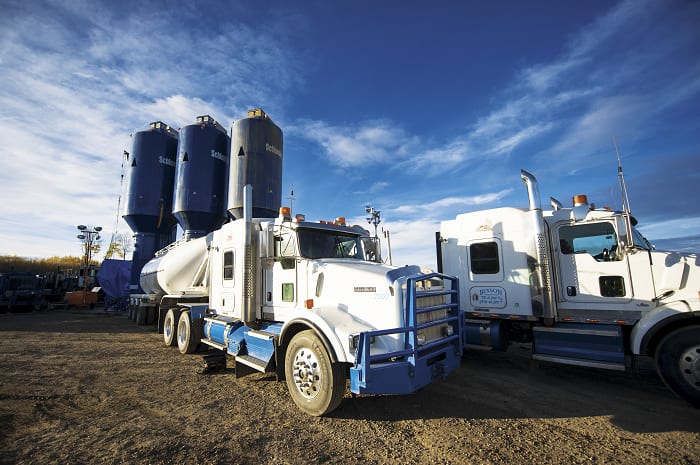
The collapse of oil prices and the resulting pullback from hydraulic fracturing
operations had a major effect on the spot market.
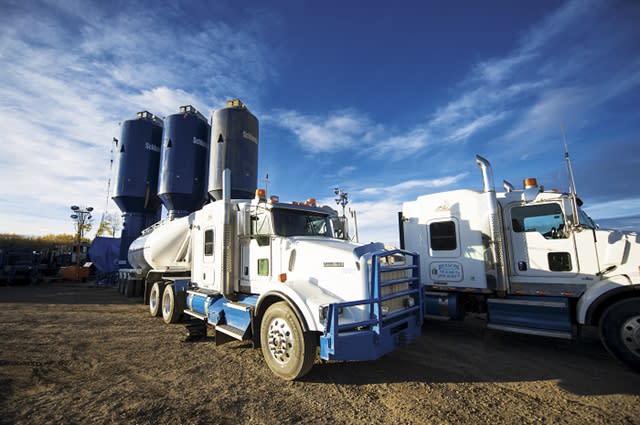
The collapse of oil prices and the resulting pullback from hydraulic fracturing
operations had a major effect on the spot market.
If you’ve given up on the truckload spot freight market or have been using it less because of the past year’s depressed rates, it might be time to give it a second look. External pressures that pushed rates down appear to be easing and rates are finally starting to improve — although they still have a way to go before returning to last year’s levels or the record-setting highs of 2014.
That’s according to Mark Montague, industry-pricing analyst with the freight matching and load board services provider DAT Services. In an interview, he said the spot market went to pot in March 2015, with things not showing any real improvement until this spring.
The reasons are some of the same that have caused the economy to sputter along, with one of the biggest being lower oil prices. While cheap crude has led to lower fuel prices, those savings have come with consequences.
“The main driving cause was the oil industry collapse with the end of fracking, the end of moving pipe or steel and all other related commodities, which spilled over into the spot market,” he says. “It took a bite out of flatbed freight first of all, then the next bites were in van freight. On top of that, you had the produce market driven by California going to flop because of the drought.”
With the oil industry throttling back, workers in that sector lost jobs and cut their retail spending, which drives so much of the economy. Energy companies also cut their business investment. Even consumers who were saving money on fuel purchases didn’t see a big enough dividend to go out and spend wildly.
However, something happened in April. Retail sales increased by their largest amount in just over a year, with another solid increase in May. Also in May and extending into June, oil and fuel prices started heading higher. And in early June parts of California even saw improvements in drought conditions.
Coincidentally or not, the DAT North American Freight Index came back to life in the spring. The May level was still below that of the previous four years, but higher than it was in the latter part of 2015.
Montague says flatbed rates have “really stabilized over the last few months,” and at the beginning of May “we began to see an increase in freight on the spot market for van and reefer freight” which can help bump up rates.
However, there are still factors at work that will keep them from going as high as the industry might like. Linehaul rates, the portion of the spot rate that does not include the fuel surcharge, remains lower than a year earlier for a variety of reasons, including a “race to cut rates in the first half of the year” and truck capacity added by large fleets in 2015. Also manufacturing remains weak, despite some recent improvements in total activity.
Despite these challenges, even one mega-fleet that traditionally relies little on the spot market is turning to it. Swift Transportation announced in June its “spot market participation has increased somewhat” due to the lack of available freight in certain markets.
The benefit, according to Richard Stocking, president and chief operating officer, is it will “keep our trucks moving”.
So while the spot market may not be your favorite place to get freight, it’s better than it has been. More importantly, it beats the alternative of having your trucks sit, generating zero revenue.
More Fleet Management
Motive Adds AI Agents for Fleet Operations
New tools automate follow-up on fleet data, from maintenance work orders to driver alerts, with two-way voice conversations planned for later this year.
Read More →
Can You Beat Our Trucking Trivia Challenge?
Test your truck knowledge with 19 trivia questions from Heavy Duty Trucking Exchange. Can you keep up with the fleet pros?
Read More →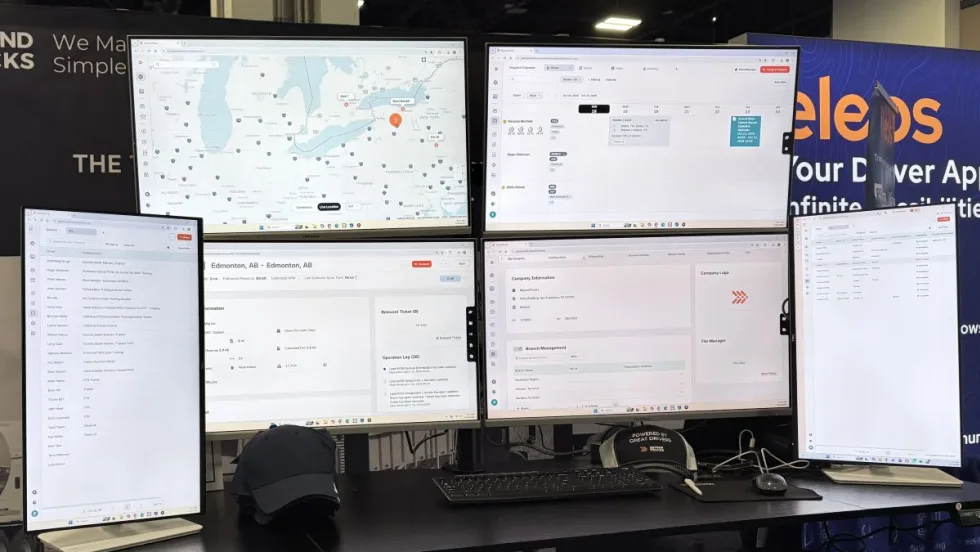
BeyondTrucks Adds Rules Checks to Dispatch
New Compatibility Engine checks driver qualifications, equipment requirements and fleet policies before loads are dispatched.
Read More →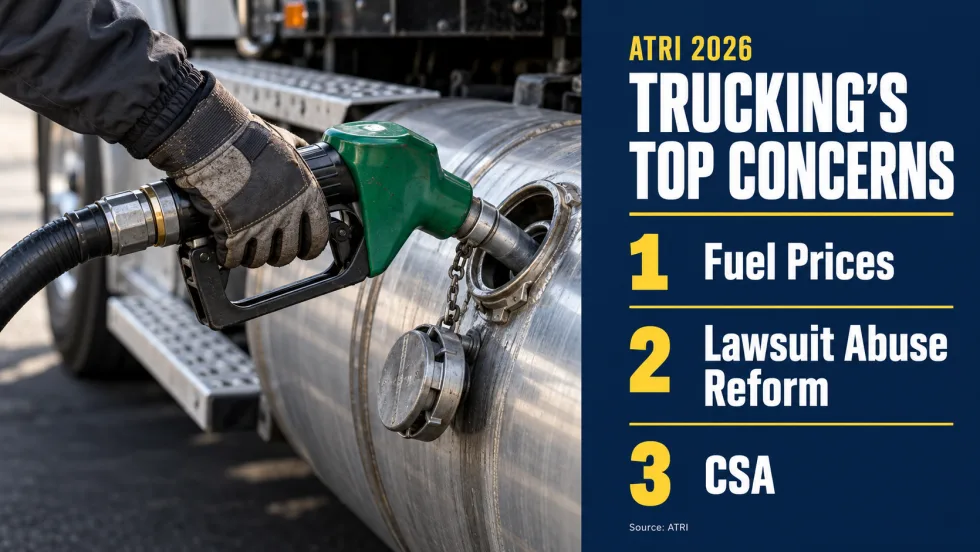
Diesel Prices Hijack Trucking’s Worry List
ATRI’s annual survey finds cautious optimism about freight, but diesel costs, litigation, and insurance continue to squeeze fleets. Drivers have different priorities on several issues.
Read More →
Nomination Deadline Extended for HDT Emerging Leaders
Just a few more days to nominate accomplished trucking fleet professionals under 40 who are making an impact and helping lead the industry forward for the HDT Emerging Leaders award. Deadline extended to October 20!
Read More →
What Will ATA’s New Leader Bring to Trucking's Table?
Incoming President and CEO Mark Colson’s record in Alabama offers clues about his priorities and approach following Chris Spear’s abrupt departure as the head of the American Trucking Associations.
Read More →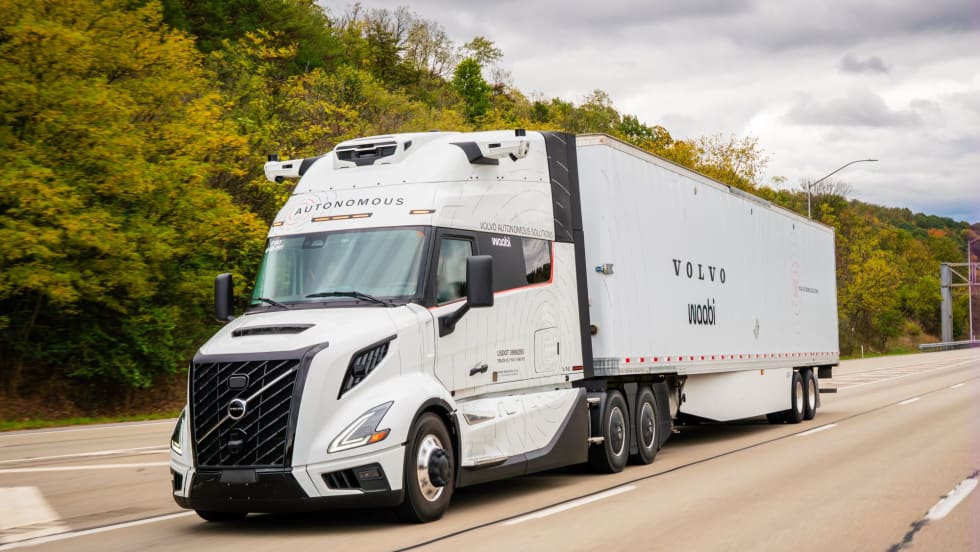
Volvo, Waabi Start Commercial Autonomous Operations in Texas
Volvo VNL Autonomous trucks, powered by the Waabi Driver, are hauling freight directly to third-party facilities for a customer in Texas.
Read More →
Samsara Launches Custom AI Agent Builder
Agent Studio lets fleets create AI tools for hours-of-service monitoring, reporting and driver support, including agents that communicate by phone.
Read More →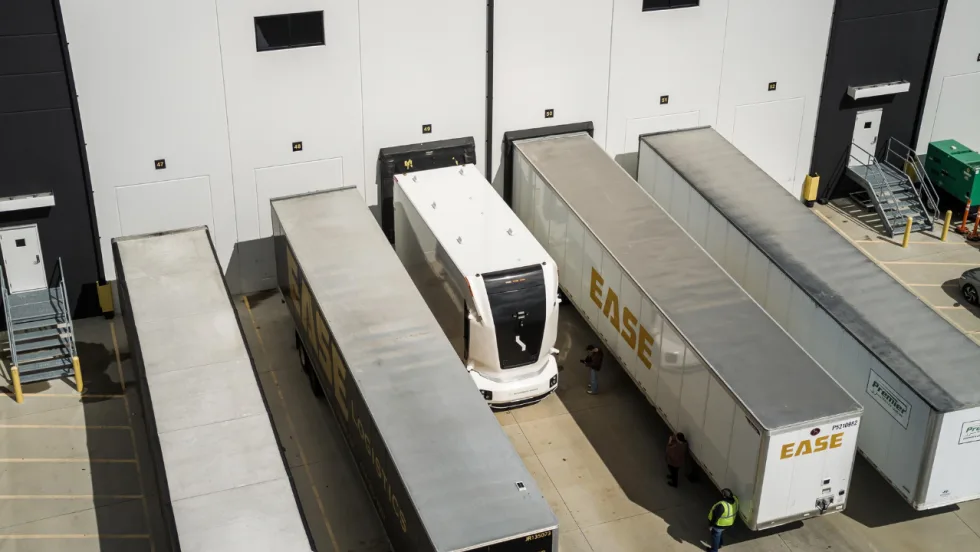
Einride Driverless Electric Trucks Begin Daily Freight Operations in Ohio
Two cabless electric trucks are hauling freight between EASE Logistics facilities in Marysville, Ohio, as part of a multi-state truck automation project.
Read More →
Geotab Links Fleet Card to Vehicle Data
The new card combines fuel discounts with telematics-based purchase controls. Geotab’s analysis also points to potential savings from choosing lower-priced fuel stops.
Read More →