




Related: Living With ELDs: Getting Ahead of the Electronic Logs Mandate
Canada Scrambling to Develop ELD Standard
Despite an early start on developing an Electronic Logging Device standard, Canadian regulators are now scrambling to get something in place by the time the U.S. rule takes effect in December 2017.
by Today's Trucking
August 26, 2016
4 min to read
Despite an early start on developing an Electronic Logging Device standard, Canadian regulators are now scrambling to get something in place by the time the U.S. rule takes effect in December 2017.
The devices have been on Canada’s regulatory radar since late 2007, and work began in earnest on a technical performance-based standard for e-logging devices in 2010 to prepare for an anticipated Canadian mandate.
The first draft was completed in 2013 and intended to roughly align with the first ELD final rule published by the U.S. Federal Motor Carrier Safety Administration (FMCSA) in 2010. That rule was vacated by the courts in August 2011 on grounds that it did not do enough to prevent driver coercion by carriers. It was back to the drawing board, and Canada decided to wait.
"We knew the U.S. was struggling to punch out its final rule, so we felt is best to wait and see what the U.S. final rule looked like before moving forward with our standard," says Reg Wightman, chairman of the Canadian Council of Motor Transport Administrators' Compliance and Regulatory Affairs Committee and a member of the ELD Working Group that developed Canada’s first draft standard. "The working group believes that was a justifiable position."
Canadian regulators got their first look at the U.S. final rule at the same time everyone else did -- when it was published in December 2015.
"We were a little frustrated that the U.S. did not involve Canada in the consultative process," Wightman says. "I don't know why it had to be that way. We would have preferred to have been consulted rather than have the U.S. rule just land on our desk. And I think most of [the Compliance and Regulatory Affairs committee] felt that frustration. Having said that, FMCSA is now bending over backward to help us resolve some of the different policy issues."
When the final U.S. rule emerged, the Council of Deputy Ministers of Transportation tasked the committee, and ELD working group of federal and provincial regulators, to determine what differences existed between it and Canada's 2013 draft, and to make any changes it felt were necessary to align the two as closely as possible while taking into account Canada's regulatory needs and requirements. And there were a significant number of differences.
"We have the final cut of the ELD standard, complete with the functional requirements," says Wightman. "It was presented in July to a list of industry partners and other stakeholders for comment and we're expecting those comments back by September 2, 2016."
Following one last round of face-to-face meetings with stakeholders, manufacturers and industry, the working group will take the completed final draft to the Council of Deputy Ministers of Transportation in April 2017.
"This is a very ambitious timetable," notes Wightman, "but our hope is to have the final standard approved by September 2017."
There are some significant regulatory issues still to be tackled, including how to certify the devices and whether or not to allow existing AOBRDs devices to remain in service beyond the anticipated start date for the ELD rule, and how to certify future ELDs.
Canada’s existing Hours of Service rules allow ELDs in a limited scope provided they meet the requirements of Section 83 of the rule. Wightman told Today's Trucking that he believes the working group will recommend that Canada adopt a grandfathering provision similar to the one in the U.S.
Meanwhile, FMCSA wants vendors to self-certify their devices but has yet to provide the tools and test cases the suppliers need. Canada will also require the devices be certified, but by what means has yet to be determined. Wightman says individual jurisdictions do not want to establish their own certification processes, and Transport Canada has little appetite to function as the certifying body for the devices.
Because of the regulatory structure in Canada, the federal government does not have the authority to force the provinces to accept the mandate for intra-provincial carriers. And while the federal Transport Minister can require ELDs for extra-provincial carriers, it would remain up to the provinces to enshrine the devices in their individual legislation.
"Some jurisdictions have come out in full support of mandatory ELDs for both intra- and extra-provincial carriers," notes Wightman. "Some are still just lukewarm to the whole idea and have made their positions known. There are still other jurisdictions that have said they want to consult with their intra-provincial stakeholders first. They have no problem mandating ELDs for their federal carriers, but they want to make sure they are doing what's in the best interest of carriers operating within their provinces. However, it becomes a huge issue if some jurisdictions do not adopt the ELD mandate for intra-provincial carriers, too."
Subscribe to Our Newsletter
More Fleet Management
Can You Beat Our Trucking Trivia Challenge?
Test your truck knowledge with 19 trivia questions from Heavy Duty Trucking Exchange. Can you keep up with the fleet pros?
Read More →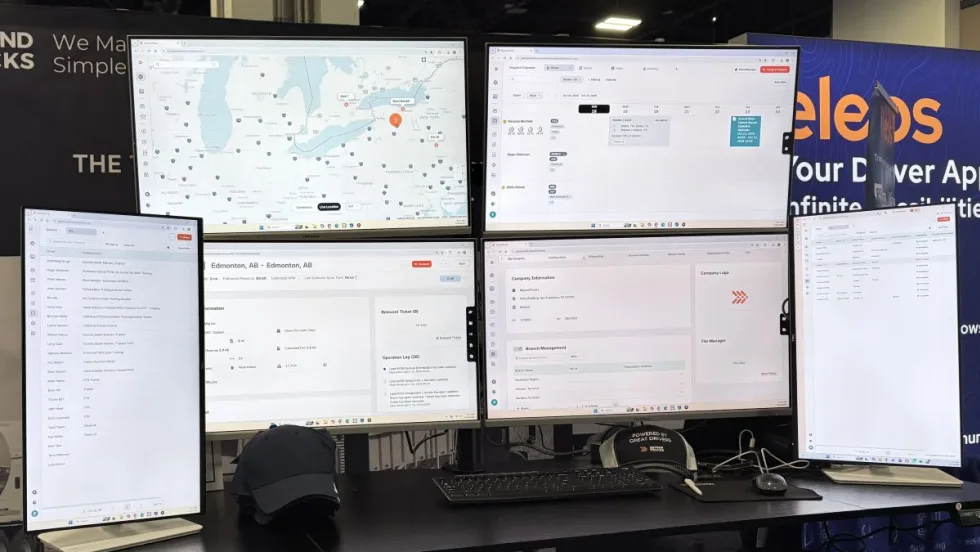
BeyondTrucks Adds Rules Checks to Dispatch
New Compatibility Engine checks driver qualifications, equipment requirements and fleet policies before loads are dispatched.
Read More →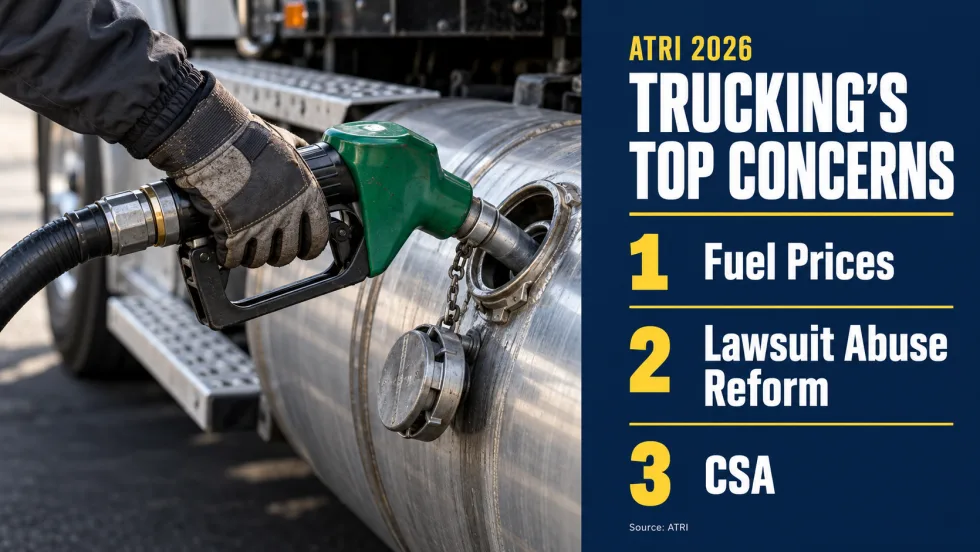
Diesel Prices Hijack Trucking’s Worry List
ATRI’s annual survey finds cautious optimism about freight, but diesel costs, litigation, and insurance continue to squeeze fleets. Drivers have different priorities on several issues.
Read More →
Nomination Deadline Extended for HDT Emerging Leaders
Just a few more days to nominate accomplished trucking fleet professionals under 40 who are making an impact and helping lead the industry forward for the HDT Emerging Leaders award. Deadline extended to October 20!
Read More →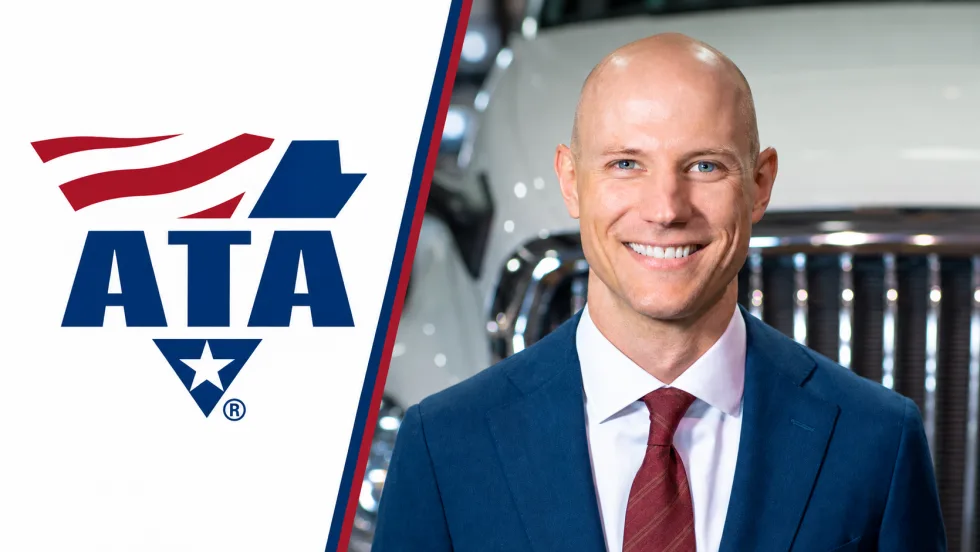
What Will ATA’s New Leader Bring to Trucking's Table?
Incoming President and CEO Mark Colson’s record in Alabama offers clues about his priorities and approach following Chris Spear’s abrupt departure as the head of the American Trucking Associations.
Read More →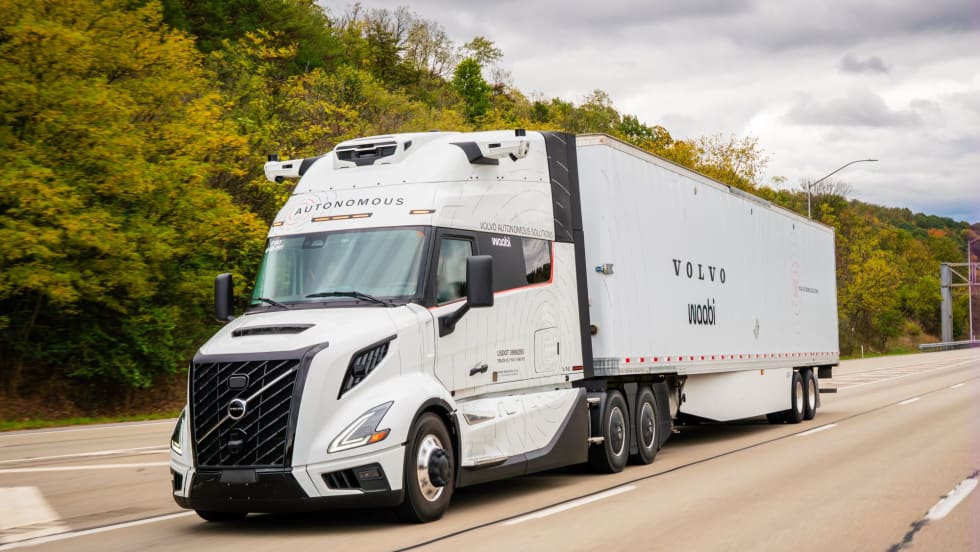
Volvo, Waabi Start Commercial Autonomous Operations in Texas
Volvo VNL Autonomous trucks, powered by the Waabi Driver, are hauling freight directly to third-party facilities for a customer in Texas.
Read More →
Samsara Launches Custom AI Agent Builder
Agent Studio lets fleets create AI tools for hours-of-service monitoring, reporting and driver support, including agents that communicate by phone.
Read More →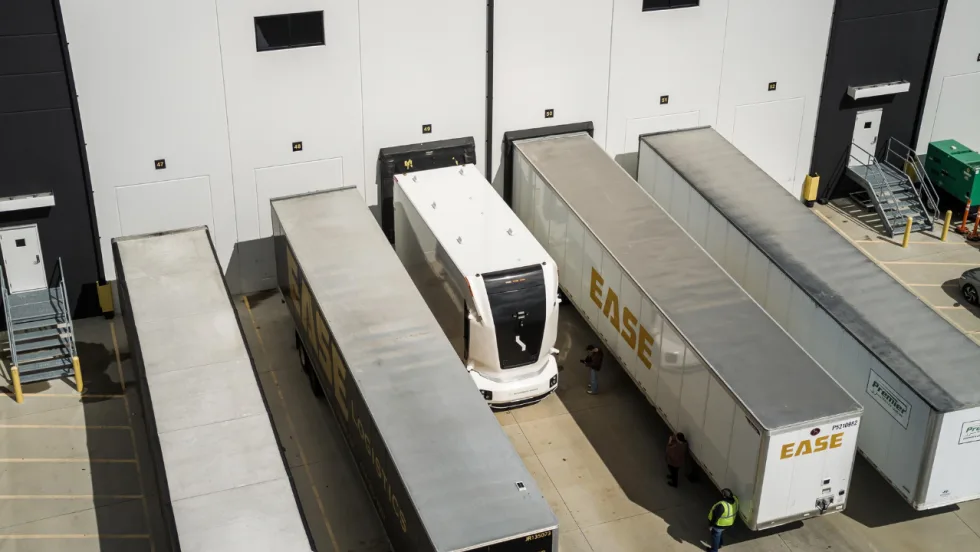
Einride Driverless Electric Trucks Begin Daily Freight Operations in Ohio
Two cabless electric trucks are hauling freight between EASE Logistics facilities in Marysville, Ohio, as part of a multi-state truck automation project.
Read More →
Geotab Links Fleet Card to Vehicle Data
The new card combines fuel discounts with telematics-based purchase controls. Geotab’s analysis also points to potential savings from choosing lower-priced fuel stops.
Read More →
How MFA Helps Protect Trucking Fleets
Multi-factor authentication adds protection when passwords are stolen. Here’s how it works and where fleets should start.
Read More →